Global Updates 2026: Latest World News, Trends, and Major Developments
Global updates 2026 are moving fast this month, from a Colombia earthquake to a Fed rate hold and a record-pace Ebola outbreak. Here’s what changed, why it matters, and what comes next.
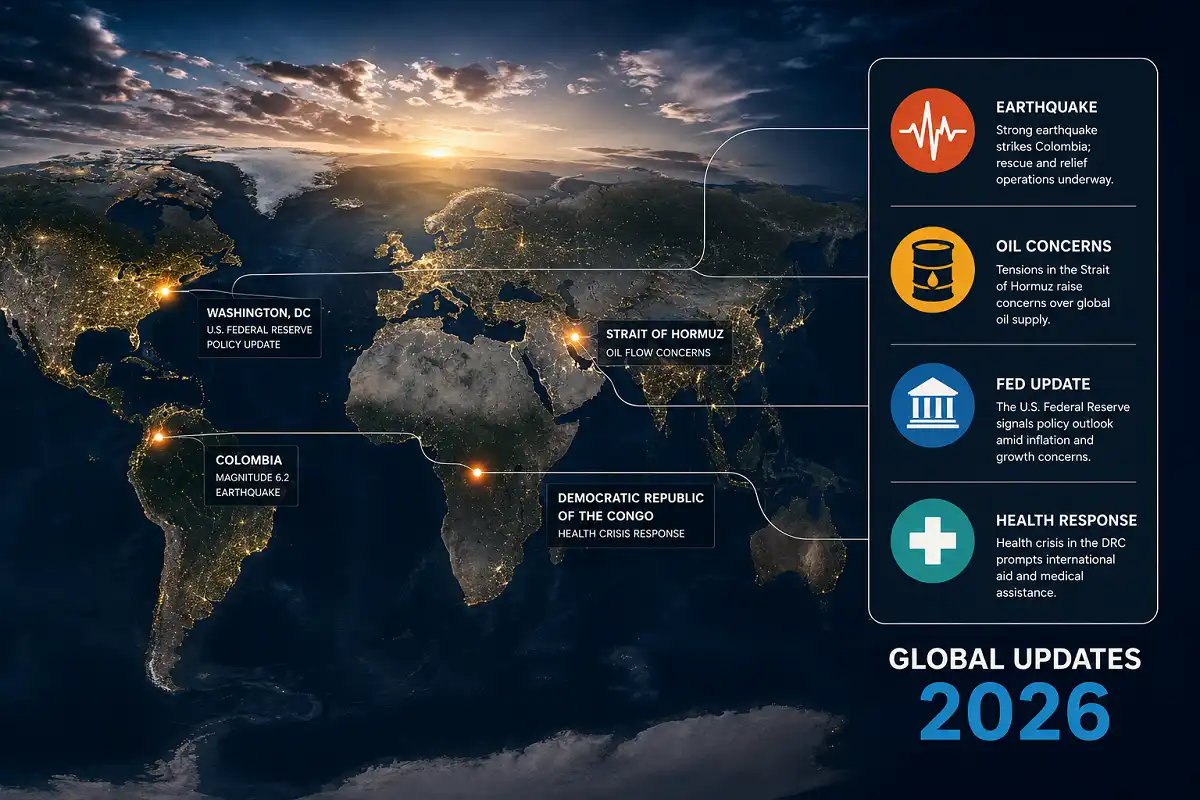
The biggest global updates 2026 stories right now are a deadly earthquake in Cali, Colombia, stalled Iran ceasefire talks over the Strait of Hormuz, the Fed holding rates at 3.50%-3.75%, and a record-fast Ebola outbreak in the Democratic Republic of the Congo.
What’s Driving Global Updates 2026 This Week
I’ve been tracking five storylines that define global updates 2026 as of August 12: a natural disaster in South America, a Middle East energy standoff, a US central bank holding steady under new leadership, a fragile US-China relationship heading into Taiwan’s fall elections, and a health emergency outpacing every past Ebola response on record. Each carries direct consequences for readers well beyond the country where it started, and each has moved measurably in just the past two weeks.
None of these stories sit in isolation. Higher oil prices tied to the Iran standoff feed directly into the Fed’s inflation calculus. A slower Chinese economy tied to ongoing trade friction with the US shapes how much Beijing can spend supporting global grain and energy markets. And a fast-moving health emergency in Central Africa pulls WHO and CDC resources away from routine surveillance elsewhere. Reading these threads together, rather than as separate headlines, is the fastest way to understand where the next month of world news is heading.
Geopolitics Shaping Global Updates 2026
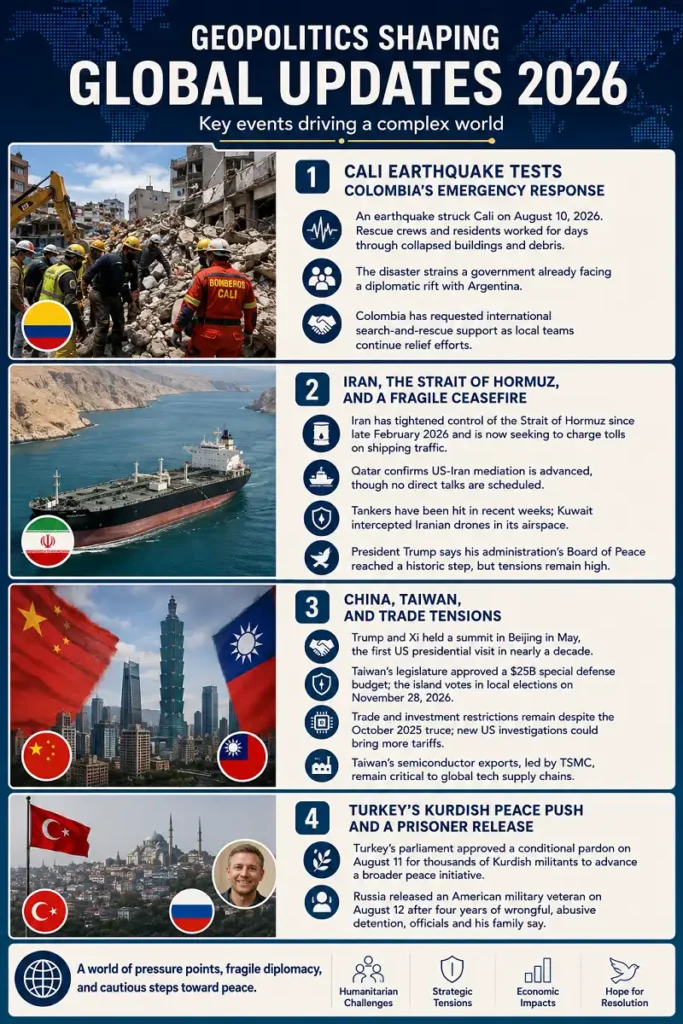
Cali Earthquake Tests Colombia’s Emergency Response
An earthquake struck Cali, Colombia’s third-largest city, on August 10, 2026. Rescue crews and residents spent days pulling through collapsed buildings and hauling concrete debris by hand, according to the Associated Press. The disaster adds pressure on a government already managing a diplomatic rupture with Argentina, after Brasilia recalled its ambassador and President Javier Milei called President Luiz Inacio Lula da Silva a thief in public remarks. Colombia has requested international search-and-rescue support while local teams work through the hardest-hit neighborhoods.
Iran, the Strait of Hormuz, and a Fragile Ceasefire
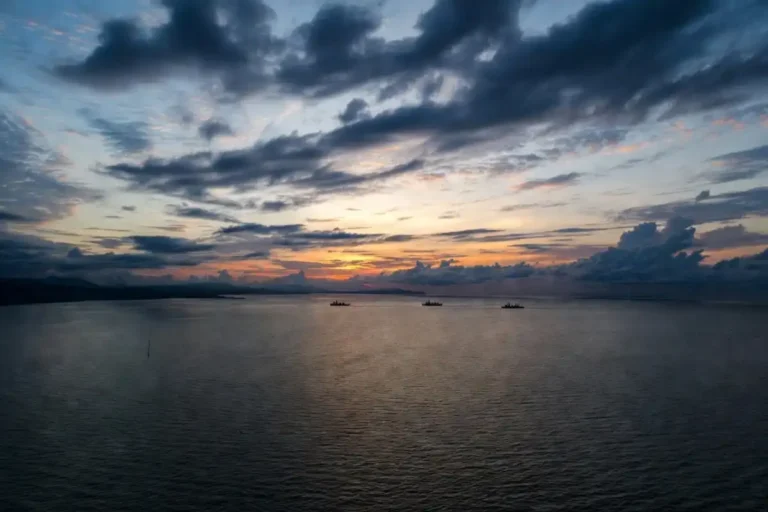
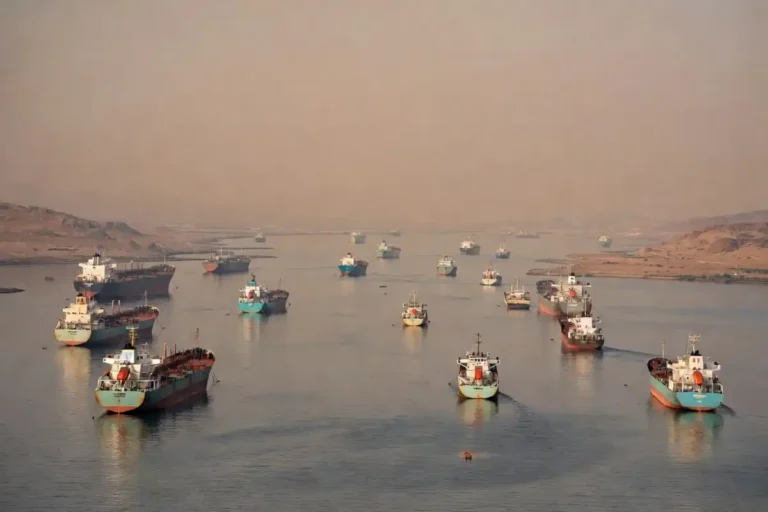
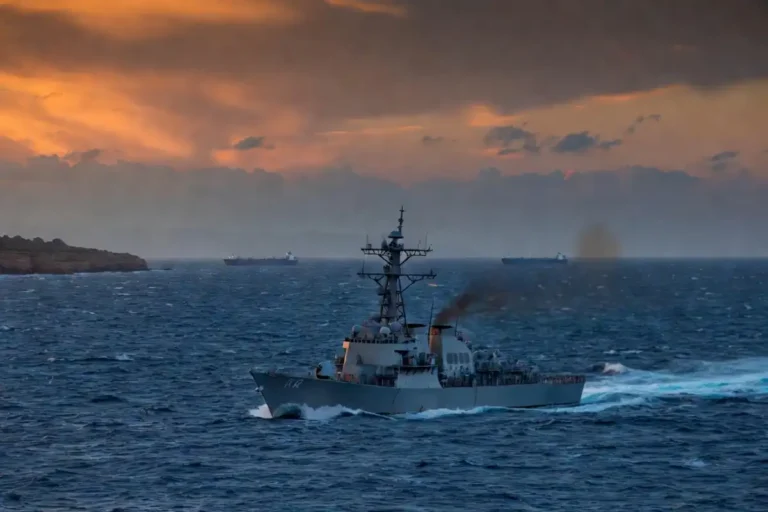
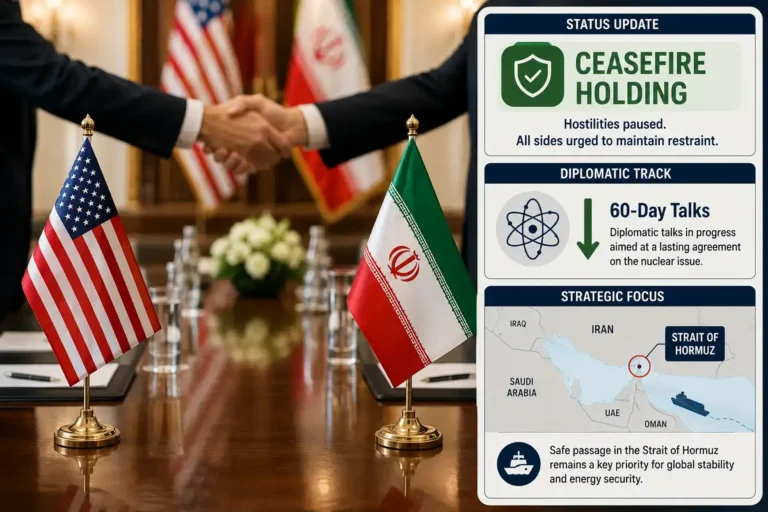
The most consequential thread in global updates 2026 remains Iran’s grip on the Strait of Hormuz, the narrow chokepoint that carries roughly a fifth of the world’s seaborne oil trade. Iran has tightened control over the waterway since the war that began in late February 2026 and is now seeking to charge tolls on shipping traffic passing through, a power it did not previously exercise. Qatar’s government has confirmed that US-Iran mediation is at an advanced stage, though no direct talks are currently scheduled. Doha is separately pressing for full implementation of the Gaza roadmap. Tankers, including the Bermuda-flagged LNG carrier Gaslog Shanghai, have taken hits in the strait in recent weeks, and Kuwait’s defense ministry reported intercepting Iranian drones entering its airspace. President Trump has said his administration’s Board of Peace reached what he called a historic step, though the practical picture on the water remains tense.
China, Taiwan, and Trade Tensions
No survey of global updates 2026 is complete without US-China relations. President Trump and Chinese leader Xi Jinping held a summit in Beijing in May, the first US presidential visit to China in nearly a decade, covering trade, technology, and Taiwan. Taiwan’s legislature has since approved a $25 billion special defense budget, and the island is scheduled to hold its Nine-in-One local elections on November 28, 2026. Both governments have kept trade and investment restrictions in place despite a truce reached in October 2025, and Washington continues pursuing new investigations into Chinese goods that could lead to fresh tariffs later this year. Taiwan’s semiconductor exports, led by TSMC, remain the flashpoint that ties this story directly to global technology supply chains.
Turkey’s Kurdish Peace Push and a Prisoner Release
Turkey’s parliament approved legislation on August 11 introducing a conditional pardon for thousands of Kurdish militants, a move meant to advance a broader peace initiative with the insurgent group. Separately, Russia released an American military veteran on August 12 after four years of what his family and US officials describe as wrongful, abusive detention. Both developments fit a wider pattern this year: prolonged conflicts producing incremental, hard-won openings rather than clean resolutions.
The Economy Behind Global Updates 2026
Why the Fed Is Holding, Not Cutting
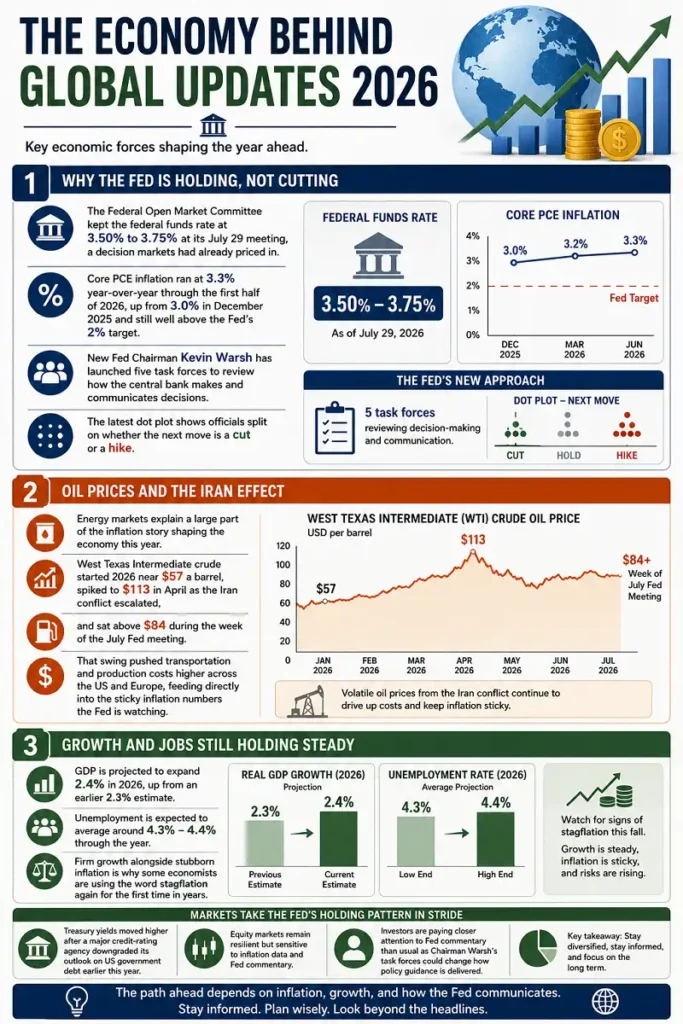
Anyone tracking global updates 2026 through a financial lens needs to start with the Federal Reserve. The Federal Open Market Committee kept the federal funds rate at 3.50% to 3.75% at its July 29 meeting, a decision markets had already priced in. Core PCE inflation ran at 3.3% year-over-year through the first half of 2026, up from 3.0% in December 2025 and still well above the Fed’s 2% target. New Fed Chairman Kevin Warsh has launched five task forces to review how the central bank makes and communicates decisions, and the latest dot plot shows officials split on whether the next move is a cut or a hike.
Oil Prices and the Iran Effect
Energy markets explain a large part of the inflation story shaping the economy this year. West Texas Intermediate crude started 2026 near $57 a barrel, spiked to $113 in April as the Iran conflict escalated, and sat above $84 during the week of the July Fed meeting. That swing pushed transportation and production costs higher across the US and Europe, feeding directly into the sticky inflation numbers the Fed is watching heading into its September decision.
Growth and Jobs Still Holding Steady
Despite the inflation pressure, growth forecasts remain resilient for now. GDP is projected to expand 2.4% in 2026, up from an earlier 2.3% estimate, while unemployment is expected to average around 4.3% to 4.4% through the year. That combination, firm growth alongside stubborn inflation, is why some economists are using the word stagflation for the first time in years to describe the current setup, a risk worth watching closely through the fall.
Bond and equity markets have mostly taken the Fed’s holding pattern in stride. Treasury yields moved higher after a major credit-rating agency downgraded its outlook on US government debt earlier this year, adding another variable for anyone with a 401(k) or a fixed-income allocation. Investors watching global updates 2026 through a portfolio lens are paying closer attention to Fed commentary than usual, since Chairman Warsh’s task forces could reshape how much advance notice markets get before future policy shifts.
Technology and AI in Global Updates 2026
Tighter US Oversight on Frontier AI Models
The technology side of global updates 2026 is defined by new government review requirements. The US Commerce Department has set national security review gates for frontier AI models that cross certain capability thresholds, meaning major releases now require federal sign-off before launch. That policy briefly touched Anthropic’s own Fable 5 and Mythos 5 models, which were suspended for several weeks in June before access was restored on July 1 once export-control questions were resolved.
Falling Model Costs and the Agent Boom
Even with tighter rules, adoption keeps climbing across the sector. OpenAI cut pricing on its newest model by roughly 80%, and ChatGPT reportedly crossed 1 billion weekly active users in the same stretch. Anthropic pushed a 1 million-token context window and stronger coding performance, while Google expanded agent tools built directly into search and workplace products. JPMorgan Chase CEO Jamie Dimon is now urging more than 40 major companies to join an infrastructure-security alliance aimed at getting ahead of AI-related risks to finance, energy, and transportation systems, a sign corporate leaders see this as a present-day priority, not a future one.
Public Health Inside Global Updates 2026
The Fastest-Growing Ebola Outbreak on Record
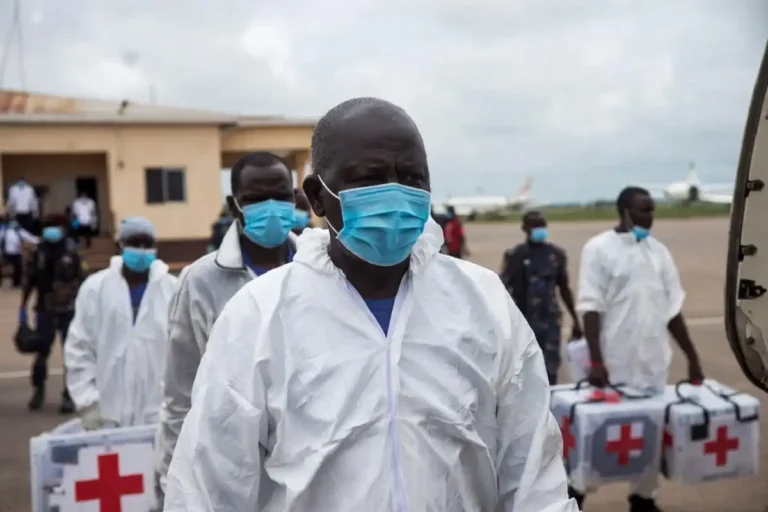
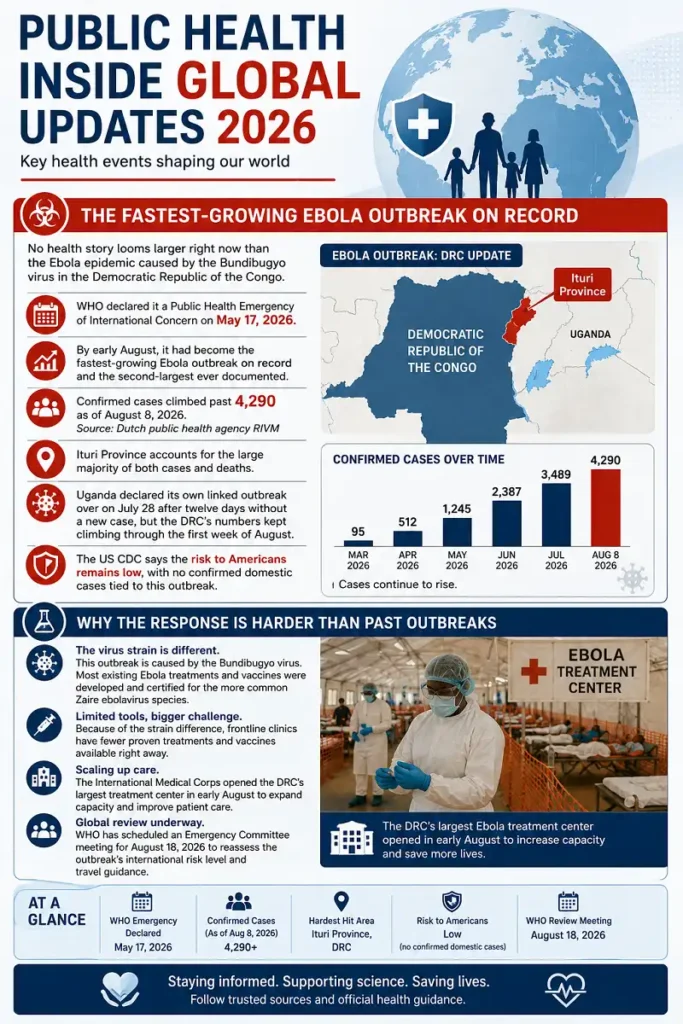
No health story looms larger right now than the Ebola epidemic caused by the Bundibugyo virus in the Democratic Republic of the Congo. The World Health Organization declared it a Public Health Emergency of International Concern on May 17, 2026. By early August, it had become the fastest-growing Ebola outbreak on record and the second-largest ever documented, with confirmed cases climbing past 4,290 as of August 8, according to the Dutch public health agency RIVM. Ituri Province accounts for the large majority of both cases and deaths. Uganda declared its own linked outbreak over on July 28 after twelve days without a new case, but the DRC’s numbers kept climbing through the first week of August. The US CDC says the risk to Americans remains low, with no confirmed domestic cases tied to this outbreak.
Why the Response Is Harder Than Past Outbreaks
Part of what makes this outbreak so difficult is the virus strain itself. Existing Ebola treatments and vaccines were developed and certified for the more common Zaire ebolavirus species, not Bundibugyo, which limits what frontline clinics can deploy immediately. The International Medical Corps opened the DRC’s largest treatment center in early August to expand capacity, and WHO has scheduled an Emergency Committee meeting for August 18 to reassess the outbreak’s international risk level and travel guidance.
What Global Updates 2026 Mean for You
You do not need to track every wire report to stay current on global updates 2026, but a few practical habits help. Watch the Fed’s rate decisions if you carry a mortgage, a business loan, or a variable-rate credit line, since the current hold keeps borrowing costs elevated through at least September. Check named, dated sources like WHO or CDC directly before acting on health news, rather than relying on secondhand summaries that can lag the latest case counts. And treat any single week’s headlines as one data point in a longer pattern, not the whole story. Readers who want a deeper primer on separating confirmed developments from early, unverified reports can review how to check whether breaking news is actually confirmed before sharing it further.
FAQs

What is the biggest story in global updates 2026 this week?
Will the Federal Reserve cut interest rates in 2026?
Is it safe to travel to areas affected by the DRC Ebola outbreak?
How is AI regulation affecting global updates 2026?
Why do Taiwan's elections matter for global markets?
What to Watch Next
The next two weeks will shape how several of these stories resolve. WHO’s Emergency Committee meets August 18 to reassess the Ebola outbreak’s risk level. Iran mediation talks remain active but undated. And the Fed’s September meeting will show whether the inflation data since July pushes officials toward the hike some committee members have floated. For continuing context on how this year’s major events connect, see this broader breakdown of how 2026’s major world events tie together. Global updates 2026 will keep moving quickly, and the stories worth watching are the ones with dated, named sources behind them, not the loudest headline of the day.