DR Congo Ebola Outbreak Spirals as Confirmed Cases Double in Two Days
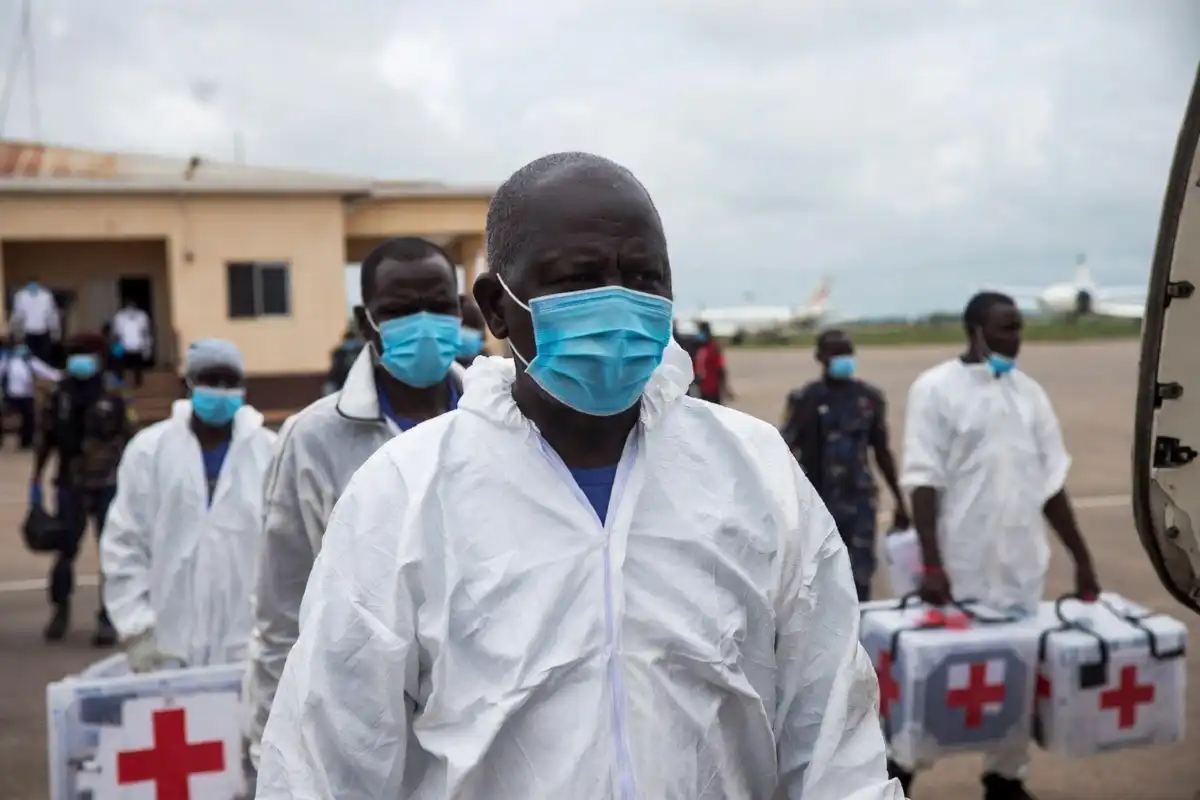
The DR Congo Ebola outbreak is moving faster than the people fighting it. Confirmed cases nearly doubled in 48 hours, the WHO chief flew into the epicenter, and a rare viral strain with no approved cure is spreading through a conflict zone. Here is where things stand.
As of May 31, 2026, the DR Congo Ebola outbreak in Ituri province has over 1,000 suspected cases and roughly 260 confirmed cases, with more than 220 suspected deaths. It is caused by the Bundibugyo virus, which has no approved vaccine.
How Bad Is the Outbreak Right Now?
Confirmed cases nearly doubled in two days. Congolese authorities say the number of confirmed cases reached 225 on Friday, nearly double the figure of 121 reported two days earlier. By Saturday, that figure climbed again. The number of confirmed Ebola cases in the Democratic Republic of Congo has climbed to 260 as officials updated their estimates of the outbreak’s size.
The wider picture is worse. Authorities have recorded 1,028 suspected cases and more than 220 suspected deaths in DRC, while the disease has crossed into neighbouring Uganda, which has recorded nine confirmed cases and one death. One Wikipedia tally put the running count even higher, noting that as of 29 May 2026, 1,262 suspected and confirmed cases and at least 241 deaths had been reported.
The numbers move daily because the outbreak is outrunning the count. That gap between suspected and confirmed cases tells you how much is still unknown.
Why This Strain Is So Dangerous
The virus behind this outbreak has no approved treatment. The outbreak is caused by the Bundibugyo virus, a rare and severe form of Ebola for which there is no approved vaccine or treatment. That matters because most existing Ebola tools target a different strain. The epidemic is caused by the Bundibugyo ebolavirus, which may complicate response efforts as existing Ebola treatments were created for a different strain, the Zaire ebolavirus.
Bundibugyo is not new, but it is uncommon. Ebola was first identified in this part of central Africa in 1976; this is the DRC’s 17th outbreak. Bundibugyo is one of three virus types behind most major epidemics; the deadliest, the Zaire Ebola virus, drove the 2014 to 2016 West Africa outbreak, the largest on record, with more than 28,000 cases.
There is one piece of cautious good news. WHO Director-General Tedros Adhanom Ghebreyesus said in Bunia that Ebola caused by the Bundibugyo virus can be survived with good medical care, and some people in Ituri have already recovered. Seeking care early makes a real difference. WHO and its partners are also pursuing clinical trials aimed at developing vaccines and treatments for the strain.
What Did the WHO Chief Say in Bunia?
Tedros pressed for a community-led response over top-down orders. The head of the United Nations health agency visited the epicentre of the deadly outbreak in eastern Democratic Republic of the Congo, urging local communities to lead the fight against a disease whose confirmed cases have nearly doubled in two days. Tedros arrived in Bunia, the capital of Ituri province, on Saturday.
His message at the press briefing was blunt about WHO’s role. “We are not here to tell people what to do. We are here to listen,” he said. “Communities understand their own challenges and their own solutions. Our role is to support you in implementing those solutions, together.”
He also asked families to change burial customs that spread the virus. “I understand how painful it is to lose someone, and how much it means to honor them properly, but certain practices, including touching the bodies of those who have died from Ebola, can spread the virus further,” Tedros said. Reports of rapid transmission echo the pattern seen when public health and grief collide, a tension that runs through recent global health coverage and broader stories shaping the world this week.
Why Is the Response Falling Behind?
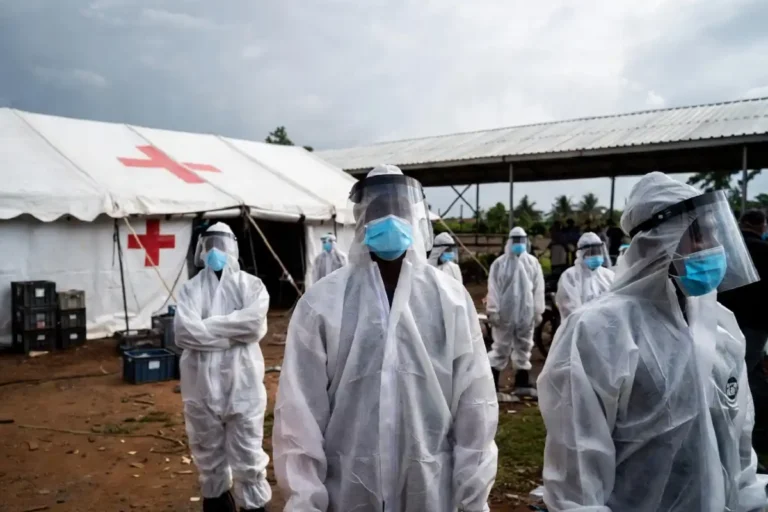
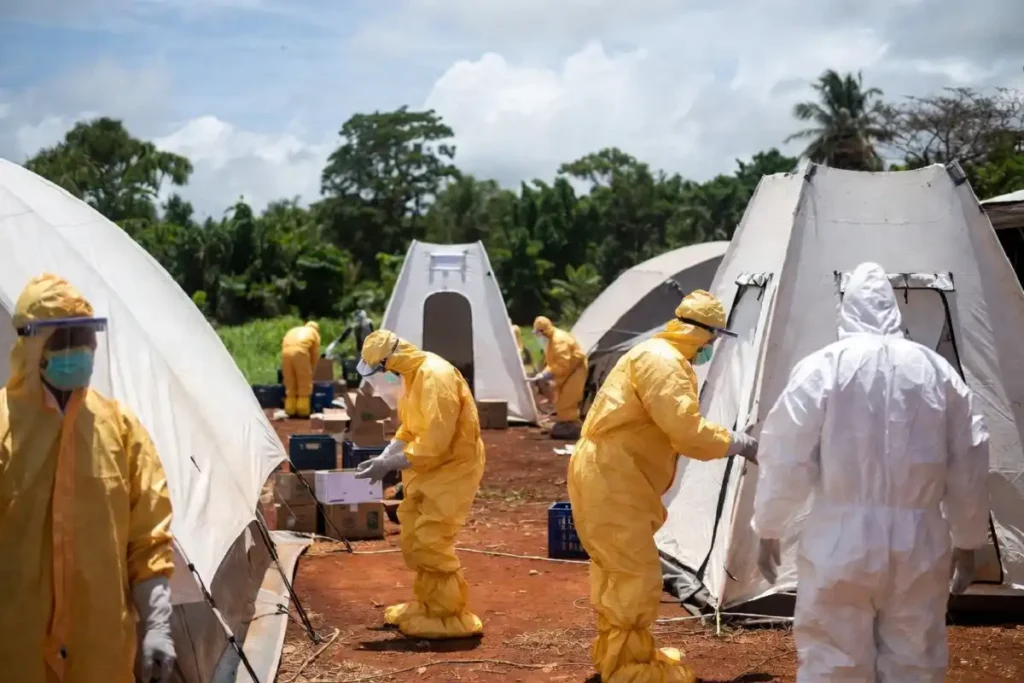
Conflict is the core problem. Health teams cannot move freely. Containing the disease is made harder by years of conflict in eastern DRC. Health teams in Ituri have come under attack from the Allied Democratic Forces, an armed group linked to ISIL, and from local ethnic militias.
The scale of human displacement makes contact tracing brutal. Ituri province is deeply poor, and ravaged by decades of brutal militia warfare. Health responders have to negotiate front lines and militia checkpoints and face a vulnerable population traumatized by conflict. Nearly 1 million people live in dense displacement camps in the province. Tedros himself called it a “catastrophic collision of disease and conflict,” saying the disease is outpacing the response.
Anger over medical protocols has turned dangerous. The dangers faced by health workers have been heightened by anger among residents over the stringent medical protocols for handling victims’ bodies, which clash with local burial rites. Residents have launched at least three attacks against health centers.
Doctors Without Borders put the speed in stark terms. “Never before has an Ebola outbreak recorded so many cases so soon after its declaration,” the group warned on Saturday, calling it one of the fastest-spreading outbreaks on record. The crisis adds to a region already strained by pressures rippling across global affairs and overlapping humanitarian emergencies.
How Is the World Responding?
Money and supplies are flowing, just not fast enough. Medical aid donated by the European Union arrived in Bunia on Thursday. The U.S. announced $80 million in additional aid on the same day, bringing its total commitment to more than $112 million.
The WHO has moved testing and treatment infrastructure into place. WHO has delivered more than 2,000 diagnostic test kits and helped strengthen screening capacities at key transport hubs. The agency is also improving water systems at Ebola treatment centres to support infection prevention and control.
There is also a treatment trial underway. Health Minister Roger Kamba said US health authorities had agreed to support Congo’s use of an experimental antibody treatment in a mid-stage trial. Neighboring states are reacting too. Both Rwanda and Uganda have closed their borders with Congo. The outbreak’s economic ripple, from aid budgets to regional trade, is the kind of disruption that tends to surface in finance and global market coverage within weeks.
What This Means Going Forward
This outbreak carries every ingredient public health experts fear: a strain with no cure, a war zone that blocks responders, dense displacement camps, and burial customs that spread infection. The doubling of confirmed cases in two days is the signal to watch. The official count of more than 1,000 suspected cases almost certainly undersells the true reach.
The bright spots are real but fragile. International funding has arrived, an antibody trial is starting, and survival is possible with early care. Whether that holds depends on one thing more than any other: whether health teams can safely reach the people who need them. For continuing coverage of this and other developing stories, track our global updates desk.