US Strikes on Iran Hit Near Hormuz as Peace Talks Open in Qatar
The US strikes on Iran landed late Monday, right as Iranian negotiators reached Qatar for peace talks. I’ll walk you through what got hit, why the timing matters, where the ceasefire stands, and what it does to the oil prices you feel at the pump.
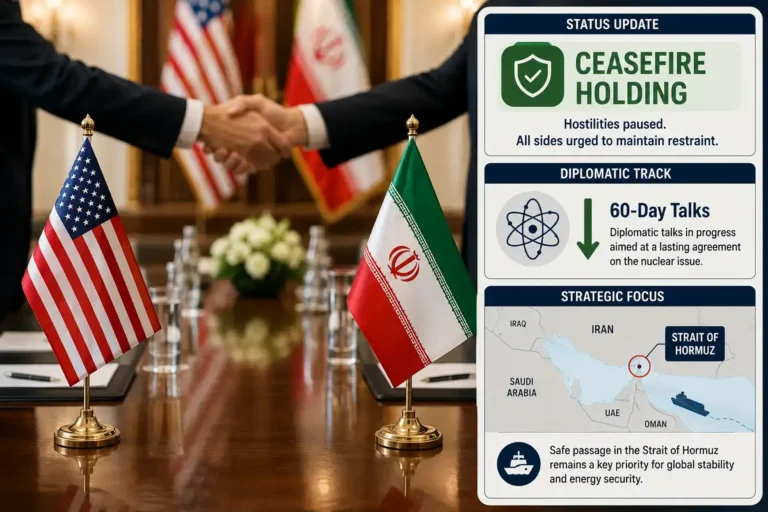
Quick Answer: On May 25, US Central Command struck missile sites and boats near the Strait of Hormuz, calling it self-defense. The April 8 ceasefire still holds officially, but the new strikes threaten talks underway in Doha.
What Happened With the Latest US Strikes on Iran
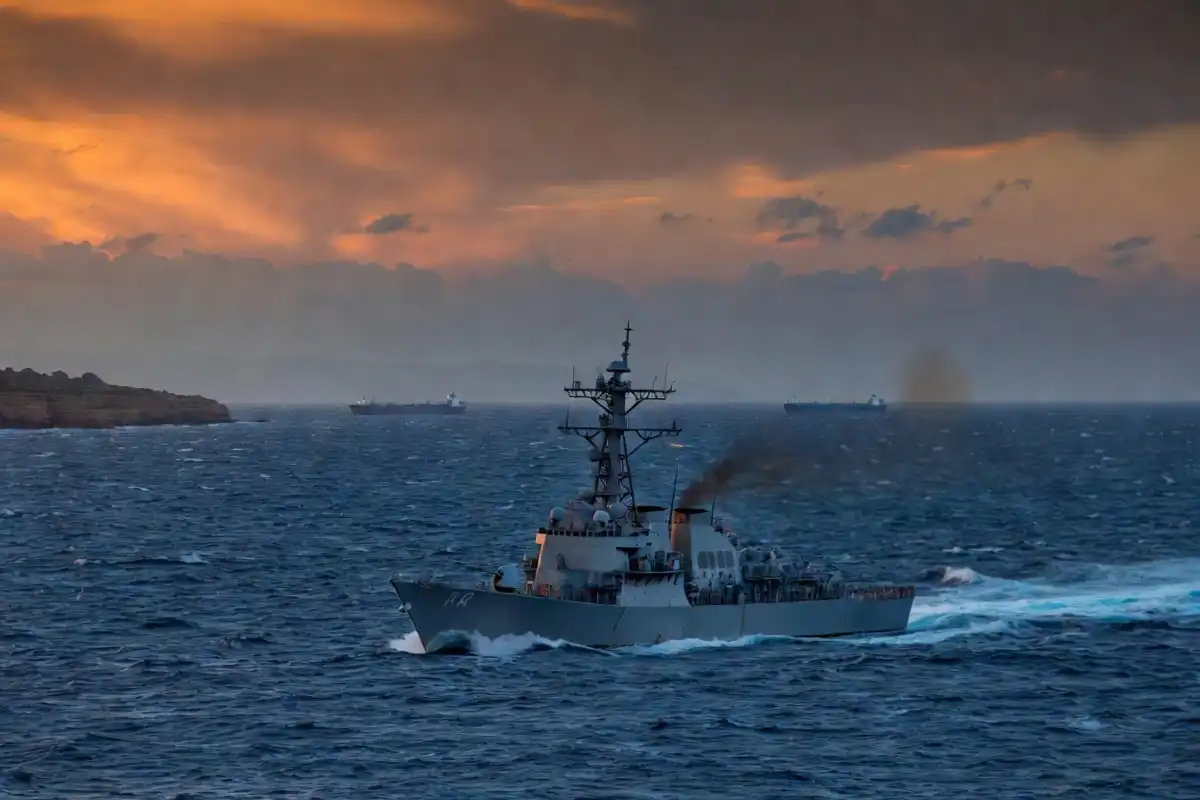
US Central Command hit Iranian targets in the south of the country late on May 25, hours before negotiators sat down in Qatar. CENTCOM said it struck missile launch sites and boats that were trying to lay mines. Navy Captain Tim Hawkins, a CENTCOM spokesperson, framed the action as self-defense for American forces during the ceasefire.
Iranian media reported explosions in Bandar Abbas, about 70 kilometers from the Strait of Hormuz. Washington did not release locations or a full account of the operation. Iranian sources said several Revolutionary Guard personnel were killed and that the Guard had targeted a vessel at sea before the American strikes. As of early reporting, Tehran had issued no formal response, though it claimed to have downed a stealth drone with a new air defense system.
This is not the first skirmish since the truce took hold. There have been several, and earlier ones did not formally break the agreement. Whether this one does is still an open question.
Why the Timing Cuts So Deep
The strikes hit while a high-level Iranian delegation was in Doha. That delegation reportedly includes Foreign Minister Abbas Araghchi, Parliament Speaker and lead negotiator Mohammad Bagher Ghalibaf, and Central Bank Governor Abdolnaser Hemmati. So this was not a stray clash in a quiet week. It came at the exact moment both sides claimed to be closing in on a deal.
President Donald Trump posted on Truth Social that talks were “proceeding nicely,” then warned the alternative was a return to fighting “bigger and stronger than ever before.” His line: a great deal for everyone, or no deal at all.
That mix of carrot and threat has defined this whole stretch. Markets keep reading every statement for a signal, and the geopolitical whiplash here looks a lot like the two competing stories the US and China keep telling about their own standoff. Confidence rises, then a strike resets it.
Is the April 8 Ceasefire Over?
Not officially, but it’s under serious strain. The Pakistan-mediated ceasefire has been in place since April 8, and neither side has formally declared it dead. The Islamic Revolutionary Guard Corps, though, warned it holds a “legitimate and definite” right to retaliate against any violation.
Al Jazeera’s Washington correspondent noted the strikes are likely to derail talks just as Trump pushes for a deal. Past skirmishes drew shrugs from the White House. This one came with negotiators in the room, which raises the stakes.
The Sticking Points That Keep a Deal Out of Reach
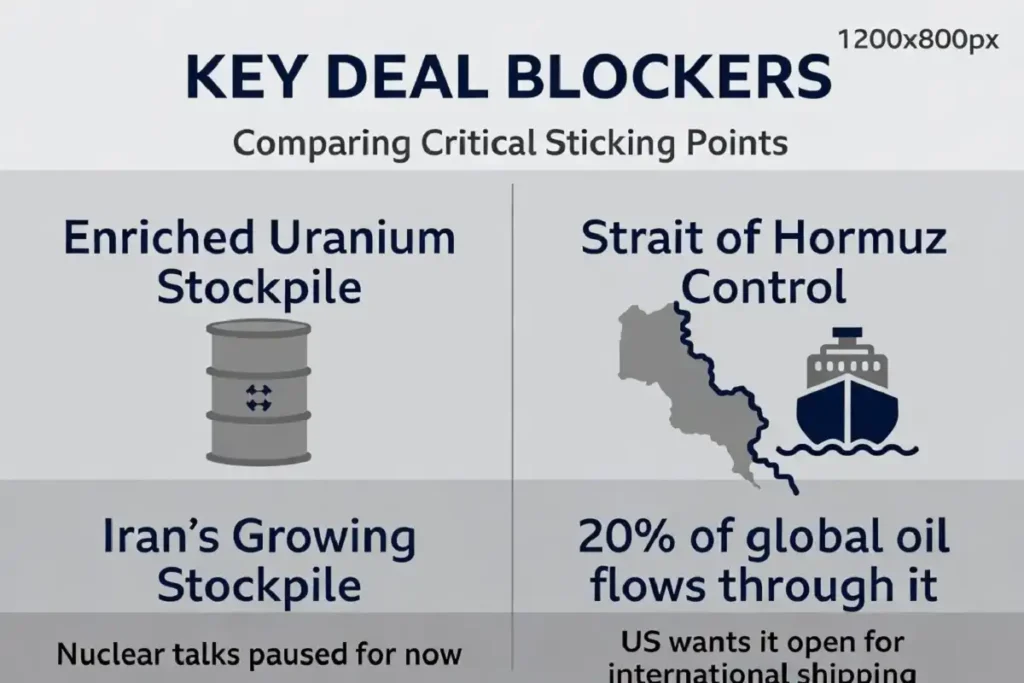
Two issues are blocking a permanent settlement: Iran’s enriched uranium stockpile and control of the Strait of Hormuz. Iran’s Foreign Ministry spokesman Esmaeil Baghaei said a “large portion” of issues had been resolved, but that an agreement was “not imminent.” He added that the nuclear program was not even on the table “at this stage,” with the focus instead on ending the war.
Secretary of State Marco Rubio, speaking to reporters in Jaipur during a visit to India, said a deal could “take a few days.” He was blunt on the waterway: the Strait of Hormuz has to open “one way or the other.” Washington accuses Iran of mining the route, while Tehran wants recognition of its authority over the strait. That gap is the heart of the problem.
Trump has also tried to fold the talks into a wider push, dangling Abraham Accords normalization for Saudi Arabia, Qatar, and Pakistan as part of any settlement with Iran.
What the US Strikes on Iran Mean for Oil Prices
Oil jumped again on the news. Brent crude touched $100 a barrel Tuesday morning, then eased to around $99, up from a $96 dip the day before when a deal looked close. US West Texas Intermediate has hovered near the mid-$90s. About a fifth of the world’s oil and gas normally moves through the Strait of Hormuz, so any threat to that route moves prices fast.
The pattern is brutal for anyone watching their budget. Prices fall on hope, then spike on a strike. That volatility feeds straight into inflation worries, the same pressure showing up in renewed stagflation risk after the Fed’s May minutes. When energy costs swing this hard, the ripple reaches groceries, shipping, and rates.
It also rattles bond markets already on edge. The jitters look familiar after the Moody’s downgrade that shook the Treasury market while the Fed kept rates steady this month.
Who Else Is Pulled Into This
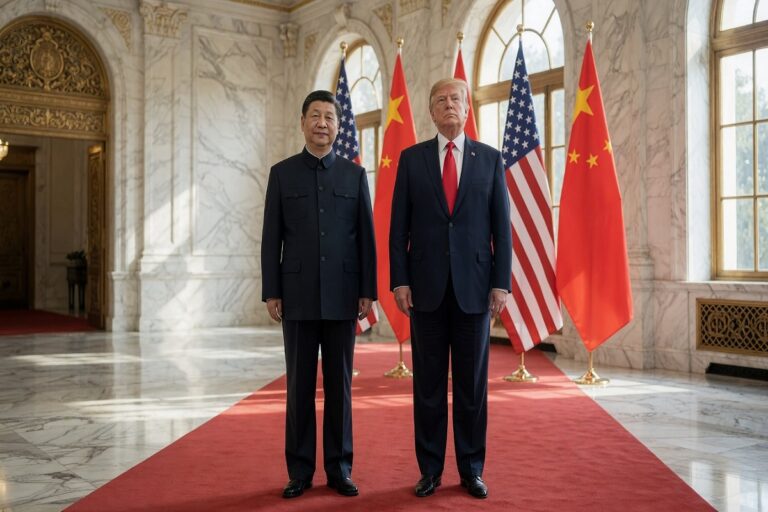
Pakistan brokered the ceasefire and remains central. Prime Minister Shehbaz Sharif was in China during this stretch, meeting President Xi Jinping and Premier Li Qiang. Washington had pressed Beijing for weeks to lean on Iran over Hormuz, then said before the summit it no longer needed China’s help. Beijing’s regional weight keeps surfacing, much as it did with China’s $17 billion agricultural deal that lifted grain prices earlier this year.
Lebanon is the other flashpoint. Israeli forces have kept striking Hezbollah sites, and that fighting could undercut the fragile diplomacy with Tehran. The war that began on February 28 has already reshaped the region, and the edges keep flaring.
Where Things Go From Here
A deal could land within days, or the whole thing could snap back to open fighting. That’s the honest read right now. Both sides say most issues are settled, yet the two that remain, uranium and Hormuz, are the hardest ones. Every strike near the strait tests whether the talks survive.
I’d watch three things: whether Iran formally responds to Monday’s strikes, whether Rubio’s “few days” timeline produces signed text, and whether oil settles below $95 or pushes back toward $100. Those signals will tell you more than any single statement from either capital. For now, the ceasefire is breathing, but barely.