US-Iran Peace Deal on the Brink: What the Strait of Hormuz Standoff Means for the World
The US-Iran conflict that began in February 2026 is approaching a turning point. A tentative peace agreement is on the table, but it is not signed yet. Here is exactly where things stand as of May 29, 2026.
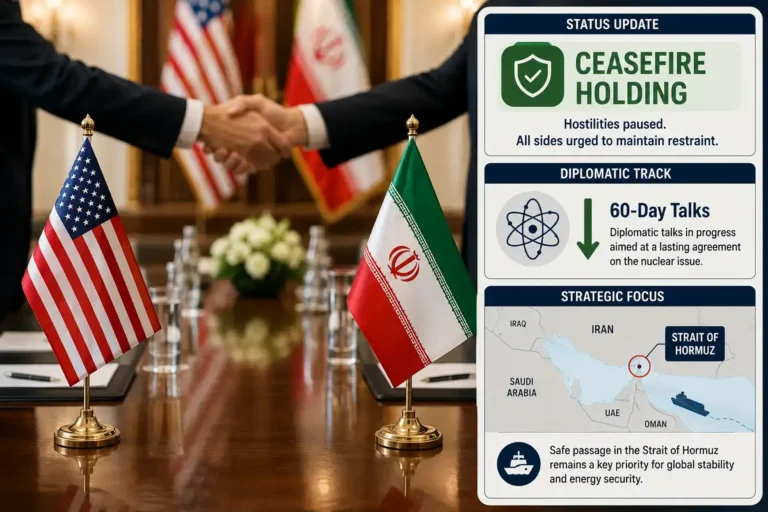
Quick Answer: The US and Iran have reached a tentative agreement to reopen the Strait of Hormuz and begin 60-day nuclear talks. As of May 29, 2026, President Trump has not yet signed off. A final deal could end a three-month conflict that has disrupted roughly 20% of the world’s seaborne oil supply.
How the US-Iran War Started in February 2026
On February 28, 2026, the United States launched major combat operations against Iran. Massive joint US-Israeli airstrikes hit military, government, and infrastructure targets across the country. One of those strikes resulted in the assassination of Iran’s Supreme Leader, Ali Khamenei.
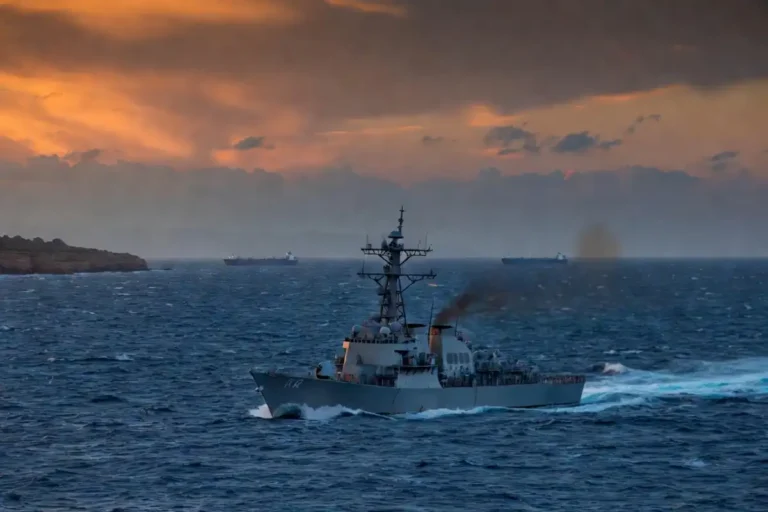
Iran responded by doing what it had long threatened. The Iranian Revolutionary Guard Corps issued warnings forbidding passage through the Strait of Hormuz and began boarding and attacking merchant ships. Iran also laid sea mines in the strait.
The economic hit was immediate and severe. Before the conflict, roughly 25% of the world’s seaborne oil trade and 20% of the world’s liquefied natural gas passed through the Strait of Hormuz. Shipping firms suspended operations in the strait entirely.
The Ceasefire, the Failed Talks, and Three Months of Standoff
The two sides reached a fragile early agreement. In April, Trump announced a two-week ceasefire with Iran, with Iran agreeing to allow safe passage through the strait as part of the framework. Iran’s Foreign Minister Abbas Araghchi confirmed Tehran would agree to the terms if US attacks were halted.
But that ceasefire did not hold into a lasting settlement. Initial US-Iran talks held in Pakistan in April failed to produce a peace deal. Trump later announced an open-ended extension of the ceasefire, while keeping the US naval blockade of Iranian ports in place until negotiations concluded “one way or the other.”
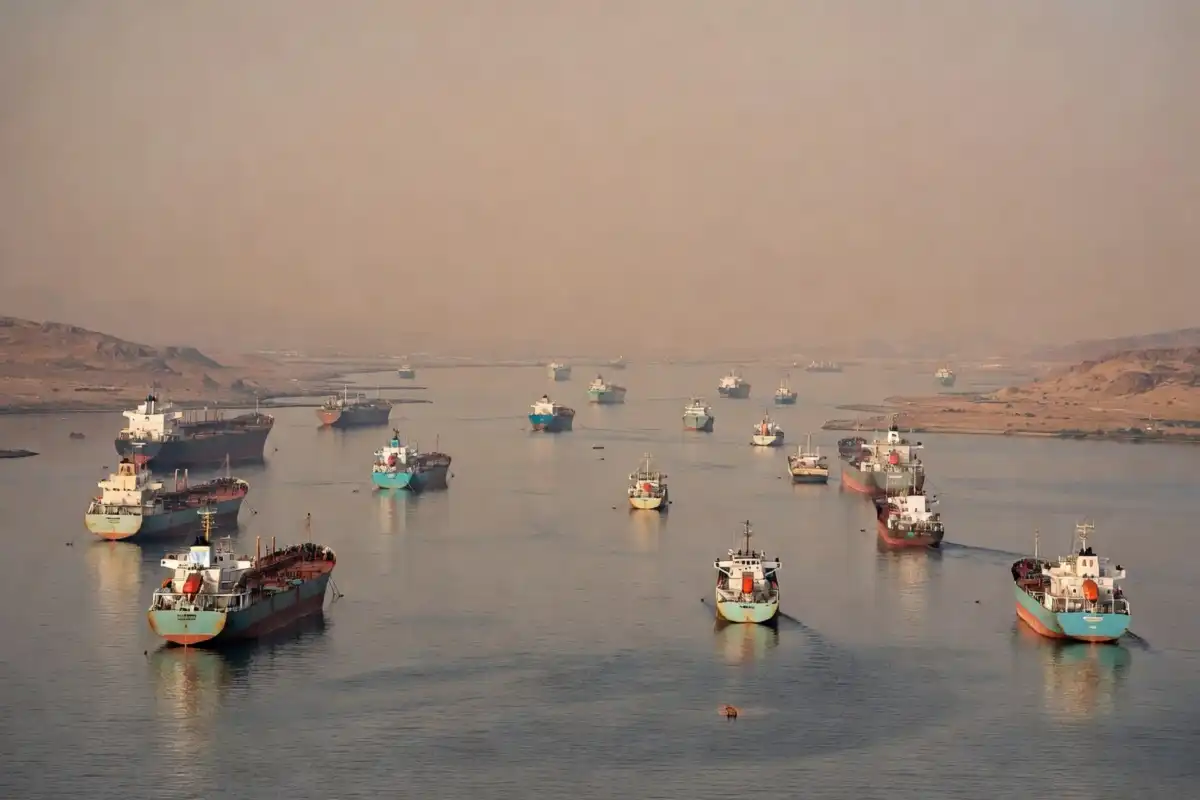
Throughout May, Iran introduced rules requiring commercial ships to coordinate movements with its military authorities. Traffic through the Strait of Hormuz fell to well below 10% of normal capacity. Insurance costs rose sharply and shipping volumes stayed at historic lows.
Our coverage of the US strikes on Iran and the Qatar peace talks tracked how this situation escalated through the spring.
Where the Deal Stands Right Now: May 28-29, 2026
This is the part that matters most as of today.
The US and Iran have reached a tentative agreement to open the Strait of Hormuz and begin nuclear talks, according to US officials. However, President Trump has not yet signed off on the deal. Iranian officials have also not publicly commented on a potential agreement.
Vice President JD Vance said “a couple of language points” are still being discussed, but the two sides are making progress.
The proposed memorandum of understanding would reopen the Strait of Hormuz, lift the US naval blockade on Iranian ports, and start a 60-day negotiation period focused on Iran’s nuclear program. Key sticking points include Iran’s uranium stockpile, frozen assets, and whether the conflict in Lebanon will be addressed in the deal.
On the economic side, Treasury Secretary Scott Bessent drew a firm line. Bessent told reporters at the White House on May 28 that sanctions relief for Iran will not be on the table unless Tehran reopens the Strait of Hormuz, surrenders highly enriched uranium, and agrees it cannot have a nuclear program.
Meanwhile, Iran’s internet access, which had been cut off for nearly three months since the government shut it down during anti-regime protests in January and then imposed a full blackout after Operation Epic Fury began on February 28, began to be restored. Internet tracking firm NetBlocks reported Iran’s connectivity returned to roughly 86% of pre-shutdown capacity as of May 27.
The Moody’s downgrade and its impact on Treasury markets this month has added another layer of pressure on the White House to reach a deal and stabilize global energy prices before the US economy absorbs more damage.
What a Signed Deal Would Actually Change
If Trump signs off and the deal holds, the effects would be felt fast.
The Strait of Hormuz reopening would put roughly 20% of the world’s LNG and a quarter of its seaborne oil back into circulation. Global energy prices, which surged after February 28, would be expected to fall. Supply chains from Asia to Europe that depend on Gulf shipping lanes would resume normal operations.
The 60-day nuclear negotiation phase would be the harder part. Iran’s enrichment program, its uranium stockpile, and the fate of frozen Iranian assets abroad are all unresolved. Secretary of State Marco Rubio described the potential agreement as having “a pretty solid thing on the table” when it comes to reopening the strait and entering into “a real significant time-limited negotiation on nuclear matters.” He added the deal has strong support from Gulf states and the broader international community.
Rubio also confirmed that conversations with Israel and Lebanon remain ongoing and that any involvement of the Lebanon conflict in the deal is still being discussed.
This situation has a direct connection to agricultural markets too. Our reporting on China’s $17 billion agricultural deal and the wait for Beijing shows how intertwined these geopolitical moves are with commodity prices worldwide.
Why Iran Fired a Missile at Kuwait This Week
Not everything is trending toward peace right now. Iran fired a ballistic missile toward Kuwait late Wednesday, according to US Central Command, which said it was intercepted. Iran’s military said it had launched an attack targeting the region.
Kuwait’s government called the incident a “dangerous escalation” and said it reserved the right to take all necessary defensive measures. The attack raised real questions about whether Iran’s military and its civilian negotiators are on the same page.
Still, US officials downplayed the strike’s significance in the context of broader talks. Earlier in May, Joint Chiefs of Staff Chairman General Dan Caine called similar incidents “low-level kinetics” and said they were “below the threshold of restarting major combat operations.”
The Trump-Xi Factor
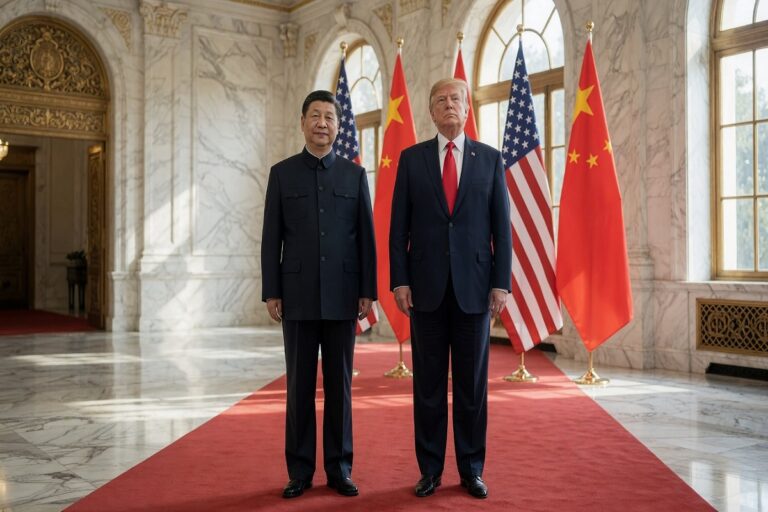
One angle that gets overlooked in Iran coverage is how much the China relationship matters here. Earlier this month, Trump traveled to Beijing with a large business delegation that included Apple CEO Tim Cook and Tesla CEO Elon Musk to meet with Chinese President Xi Jinping. Gulf energy stability directly affects China, which is among the world’s largest consumers of oil flowing through the Strait of Hormuz.
Our deeper look at the Trump-Xi summit and the competing narratives from Washington and Beijing covers what both sides actually came away with from those meetings.
A US-Iran deal also removes a major overhang from global trade negotiations that have been strained throughout 2026. For business leaders watching geopolitical risk, the new AI leadership pressures facing CEOs in May 2026 are only compounded by energy market instability.
The Key Players in These Negotiations
Seven entities are central to understanding where this goes next:
President Donald Trump holds final approval authority on the US side. He has publicly called the deal “largely negotiated” while also telling his negotiators not to rush.
Iran’s Foreign Minister Abbas Araghchi has been Tehran’s chief negotiator. He confirmed Iran’s willingness to engage in a memorandum of understanding as a first phase.
US Special Envoy Steve Witkoff has led the American negotiating team across multiple rounds of talks.
Secretary of State Marco Rubio has been the administration’s primary public voice, framing the deal’s terms and conditions.
Treasury Secretary Scott Bessent is controlling the sanctions lever and has made the sequencing clear: Hormuz opens first, then relief.
Vice President JD Vance has signaled that language differences, not core disagreements, are what remains on the table.
Gulf states including Kuwait and Bahrain are directly affected, with Kuwait now under fire and Bahrain having recorded casualties earlier in the crisis.
My Read on This
Three months in, the war has done serious damage. Global inflation is up. Energy markets are distorted. The Strait of Hormuz, one of the most critical maritime choke points on the planet, is still not fully open.
A deal is close. That much is clear from every signal coming out of both Washington and Tehran. But “close” has been the word for weeks now, and Trump has not signed anything yet.
The next 72 hours matter. If Trump approves the memorandum and Iran’s leadership follows suit, markets will respond immediately. If the language dispute drags on or the Kuwait missile strike becomes a bigger issue, this could slip into June without resolution.
Watch for Trump’s Truth Social posts. They have been the most reliable real-time indicator of where his head is at throughout this entire conflict.