

AI Skills for Career Growth 2026: Full Guide
The fastest workers I cover aren’t the ones with the best degrees anymore. AI skills for career growth 2026 now sit at the top of what hiring managers screen for first. The data I’m looking at shows a clear split between people who use these tools and people who talk about them.
Bottom Line Up Front: Building AI skills for career growth 2026 means learning to direct AI tools well, not coding them from scratch. Workers who show measurable output gains with AI earn more and get promoted faster across finance, tech, and operations roles.
Why AI Skills Matter More Than Ever in 2026
They matter because employers now pay for output, not effort. In my reporting on this sector, the pattern is consistent: a marketer who ships ten campaigns with AI beats one who ships two without it. LinkedIn’s 2026 Work Change data ranks AI literacy as the most-listed skill in US job postings, ahead of communication and management.
Automation keeps eating routine tasks. What survives is judgment, direction, and the ability to check AI’s work. That’s where AI skills for career growth 2026 separate strong candidates from replaceable ones. The people I see moving up treat AI as a junior analyst they manage, not a magic button.
What Counts as an AI Skill in 2026?
An AI skill in 2026 is the ability to get accurate, useful results from AI tools and verify them. It is practical, not academic. You don’t need a computer science degree.
Core AI skills for career growth 2026 include prompt design, output verification, workflow automation, and knowing each tool’s limits. Prompt design means writing clear instructions. Verification means catching errors before they reach a client. Tools like Claude, ChatGPT, and Microsoft Copilot reward users who know how to guide them precisely.
You also need domain fluency. AI helps a lawyer draft faster only if the lawyer knows contract law. The tool amplifies what you already understand. So AI skills for career growth 2026 work best stacked on real expertise, not as a replacement for it.
Which Careers Benefit Most From AI Skills?
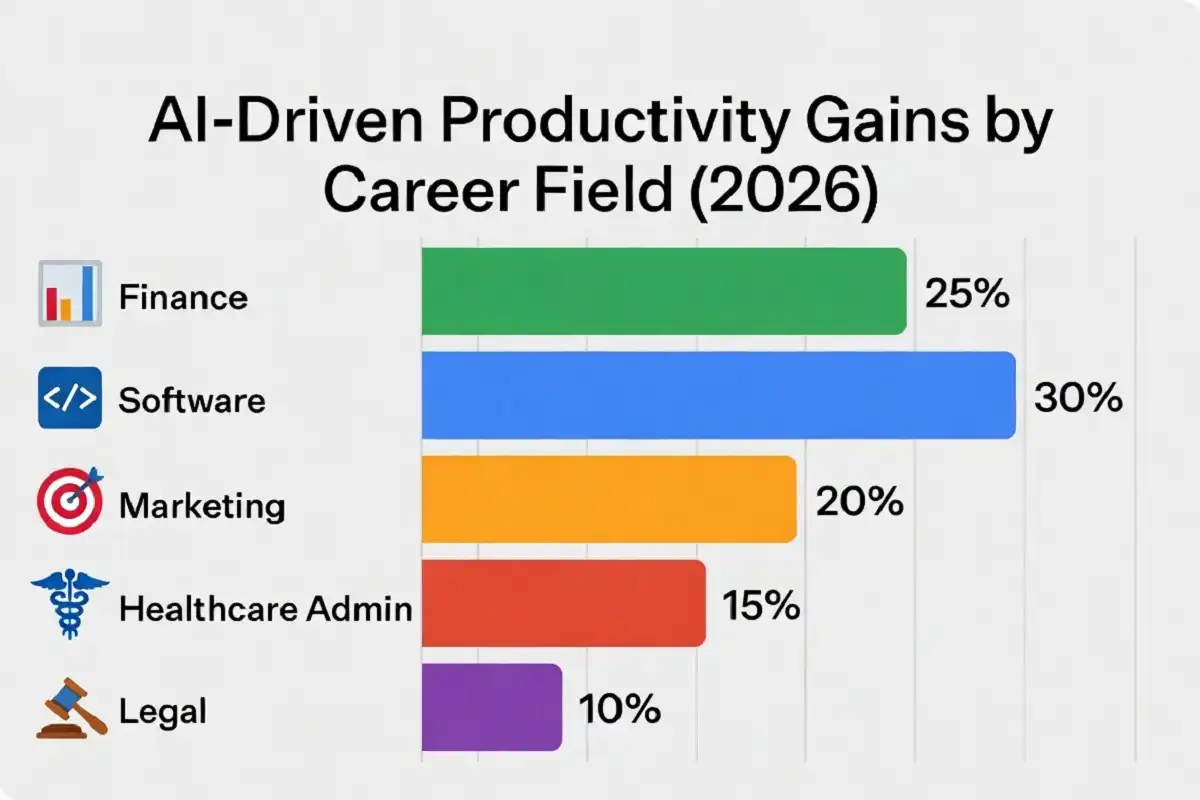
Every knowledge-work career benefits, but some see faster gains. Finance, software, marketing, healthcare admin, and legal work top the list right now.
In finance, analysts use AI to model scenarios and clean data in minutes. Goldman Sachs reported internal productivity jumps after rolling out AI coding and research assistants. Software developers ship faster with AI pair-programming. Marketers scale content and testing. These fields reward AI skills for career growth 2026 with the clearest pay bumps.
Even roles once thought safe from automation now shift. The way AI is changing daily work across offices means administrative and operations staff who adopt these tools protect their positions. Those who ignore them fall behind quietly.
How Do You Build AI Skills for Career Growth 2026?
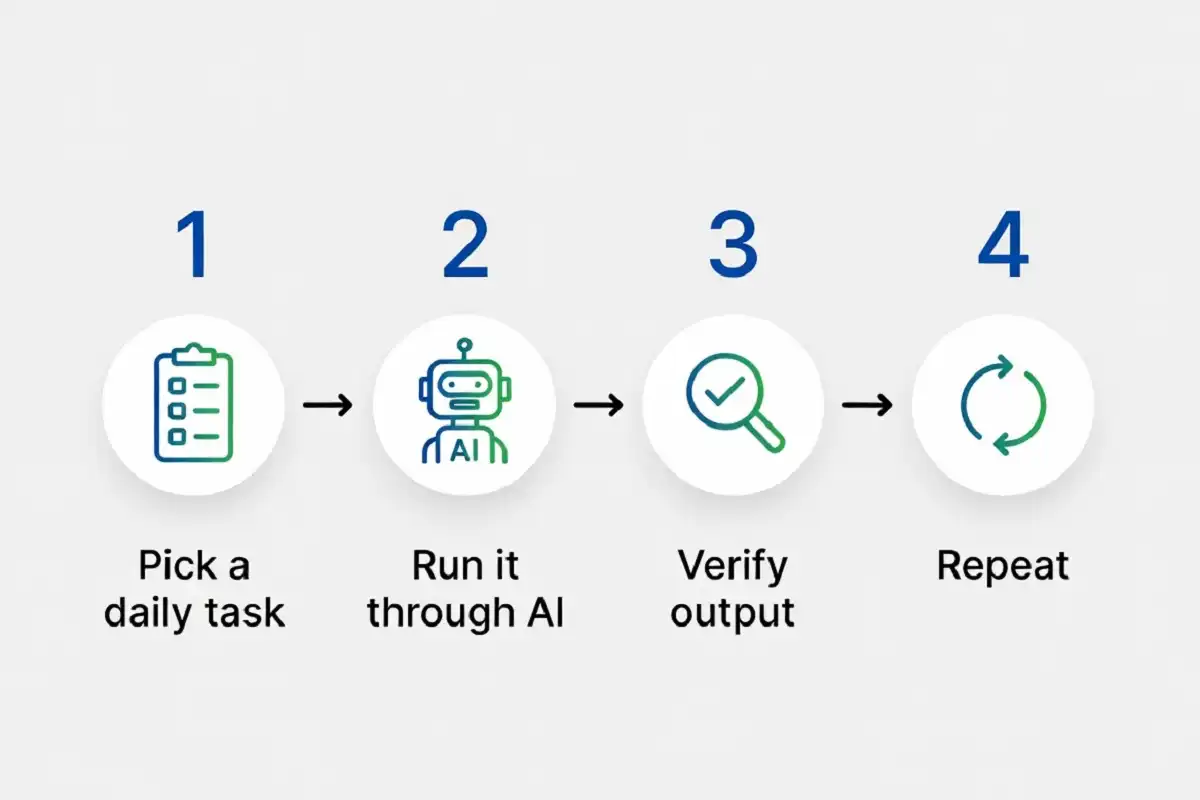
Start by using one tool daily on real tasks at your current job. Practical use beats theory every time.
Pick a task you do often. Draft emails, summarize reports, or analyze a spreadsheet. Run it through an AI tool. Compare the output to your manual version. Fix what’s wrong. Repeat until you trust your own judgment about when the tool helps and when it fails. This habit builds AI skills for career growth 2026 faster than any course.
Next, learn prompt structure. Give the AI a role, context, and a clear goal. Then verify everything. AI still invents facts, so checking output is a core skill, not an optional step.
Free resources help. Google, Microsoft, and Amazon offer no-cost AI courses. Many hiring managers now value demonstrated AI skills over college credentials, which reshapes how you should invest your learning time.
Free and Paid Ways to Learn AI Skills
You can build strong AI skills for career growth 2026 without spending money. Free options cover most needs for beginners and mid-career workers.
Google’s AI Essentials, Microsoft Learn, and freeCodeCamp offer structured, no-cost paths. For deeper work, Coursera and DeepLearning.AI run paid certificates with hands-on projects. According to artificial intelligence fundamentals covered in these programs, understanding how models generate answers helps you spot errors faster.
Certificates help you get past resume filters. But projects prove skill. Build something real, document it, and show it in interviews. That evidence carries more weight than a badge alone.
Which AI Skills Pay the Most in 2026?
Skills that connect AI to business results pay the most. Automation design, data analysis with AI, and AI-assisted decision-making lead salary gains.
Workers who automate whole workflows, not single tasks, command the highest premiums. A person who redesigns a reporting process to run on AI saves a company real money. That’s why these specific AI skills for career growth 2026 translate directly into raises and promotions. The shift toward AI-focused hiring priorities shows leadership now expects managers to bring these capabilities, not just their teams.
Common Mistakes to Avoid
The biggest mistake is trusting AI output without checking it. Errors reach clients and damage credibility fast.
Second, people chase tools instead of results. Learning twenty apps helps less than mastering two. Third, some workers hide their AI use out of fear. In 2026, that’s backward. Documenting how you use AI skills for career growth 2026 makes you more valuable, not less. Show the process. Show the gains.
Avoid treating AI as a full replacement for thinking. It drafts, suggests, and speeds work. You still own the final call, the accuracy, and the strategy.
The Numbers to Watch Next
Watch job-posting data through 2026. AI skills for career growth 2026 keep climbing in listed requirements, and salary premiums for automation skills widen each quarter. My read on this is simple: start now with one tool, verify everything, and document your wins. The gap between AI-fluent workers and everyone else grows wider every month, and closing it later costs more than starting today.