
CEOs Face New Pressure as AI Leadership Skills Top May 2026 Hiring Priorities
A wave of new reports released this month shows that company leaders are being judged on a different scorecard than even a year ago. Boards want chief executives who can lead through AI adoption, manage hybrid teams, and protect workforce trust at the same time. The shift is showing up in fresh hiring data, executive surveys, and recent boardroom moves across the United States and Europe.
The pressure is not only on incoming CEOs. Mid-level managers are also being pushed to upskill quickly, with several Fortune 500 firms confirming this month that AI literacy is now a formal review criterion for promotions.
For more context on how this shift is playing out, readers can explore our coverage of how AI skills are reshaping career growth in 2026, along with related shifts in skills-based hiring across major employers.
What Changed in May 2026

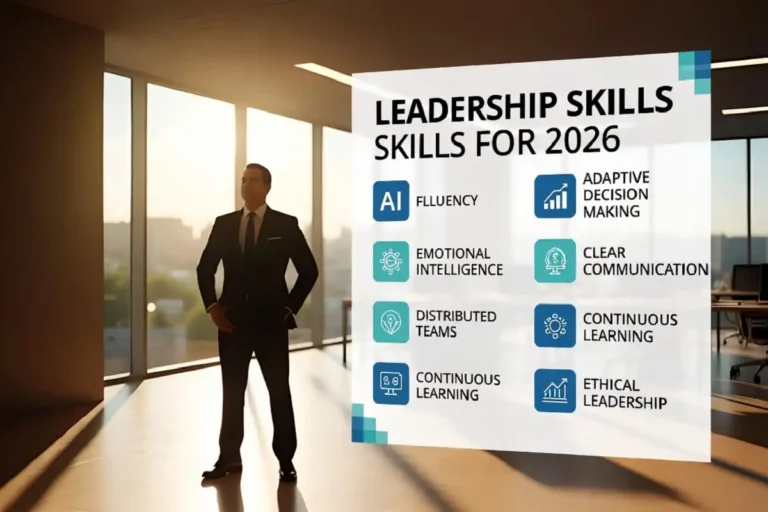
Several leadership reports landed this month, and the message from each was similar. Companies want leaders who can do three things at once: make confident decisions with AI tools, keep teams aligned during constant change, and communicate clearly when things go wrong.
A new study from Gartner, shared in mid-May, found that 77% of HR leaders now list AI fluency as a top-five requirement for executive hires. That figure was below 40% just two years ago. The same study noted that “human skills” like empathy and conflict resolution are rising in value too, since AI tools are handling more of the routine analysis.
The World Economic Forum also released updated leadership findings this month, pointing to a widening gap between executives who feel ready for AI-driven change and those who do not. Roughly half of surveyed leaders said they lack confidence in guiding their teams through the next phase.
Boardroom Moves This Month
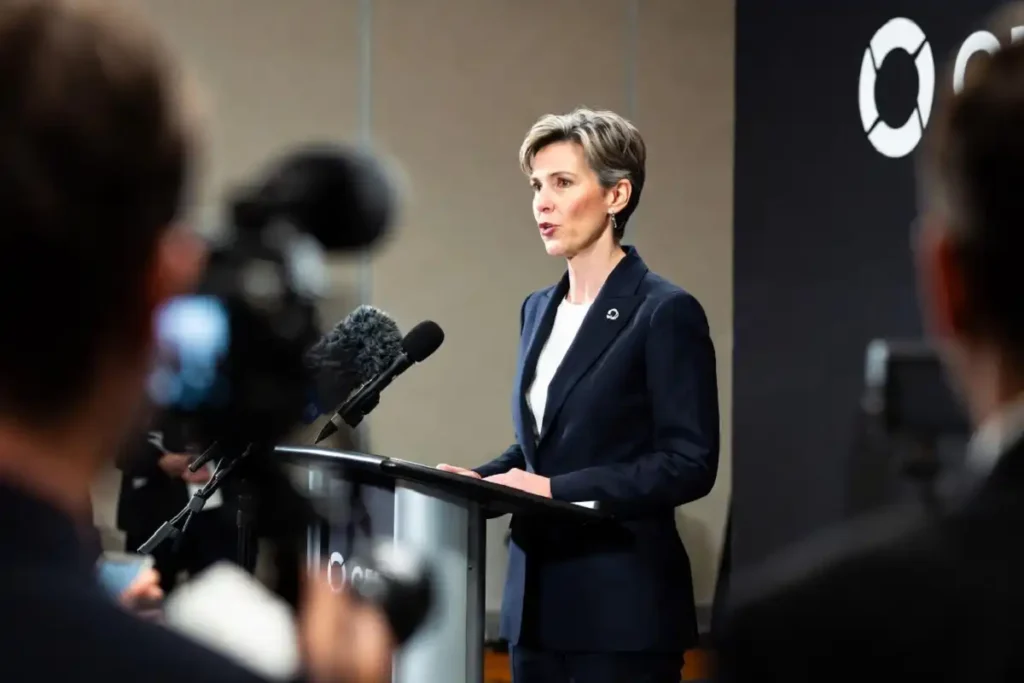
May has been busy on the executive change front. Several major firms named new CEOs or restructured their senior teams. The common thread in the announcements has been a focus on transformation experience rather than long tenure inside the company.
Tech and finance sectors led the activity. According to Reuters reporting, board chairs are openly looking for candidates with cross-functional backgrounds, not just operational track records. Several firms also said they are hiring chief AI officers who report directly to the CEO, a structure that barely existed a year ago.
This trend connects with broader shifts in workplace culture covered in our piece on corporate leadership skills that build strong teams.
The Skills Boards Are Asking For
Recruiters and executive search firms told several outlets this month that the skill mix has shifted. The current priority list looks like this in many briefs:
Strong judgment around AI deployment and risk. Comfort with hybrid and distributed teams. Clear communication during layoffs or restructuring. Financial discipline in a higher-rate environment. Cultural fluency for global operations.
What is missing from many of these briefs is interesting too. Old markers like decades of industry experience or a traditional MBA path are being weighted lower. Boards are giving more credit to leaders who have managed real change, even at smaller companies.
A useful read on the broader career angle is our breakdown on career growth steps that actually work in business today.
Workforce Trust Is the Quiet Story

One pattern stood out across May’s leadership coverage. Employee trust in senior leaders has dropped in several surveys, and boards are taking notice. A May report from Edelman found that only 51% of workers trust their CEO to do the right thing, down from previous years.
The drop is being linked to fast AI rollouts, return-to-office mandates, and uneven communication during recent layoff cycles. Several CEOs spoke publicly this month about needing to rebuild that trust before pushing further changes. The companies that have handled it well so far tend to share one habit: they explain the “why” behind decisions, not just the “what.”
This connects to ongoing shifts covered in our workplace trends section, where transparency keeps coming up as a deciding factor.
What Comes Next
The rest of 2026 is shaping up to be a stress test for current leadership teams. AI rollouts are accelerating. Workforce expectations are shifting. Geopolitical and trade uncertainty is adding pressure on margins. Boards are watching closely.
For aspiring leaders, the takeaway from May’s news is straightforward. Build AI fluency now, get experience leading through change, and work on the communication side just as hard as the technical side. The leaders being hired this month share those traits, and the pattern is unlikely to reverse anytime soon.
Companies that have already begun investing in leadership development at the manager level appear to be in the strongest position. Those that haven’t are starting to feel the gap.