US Farmers Race to Finish Corn Planting as May Rains Stall Midwest Fields
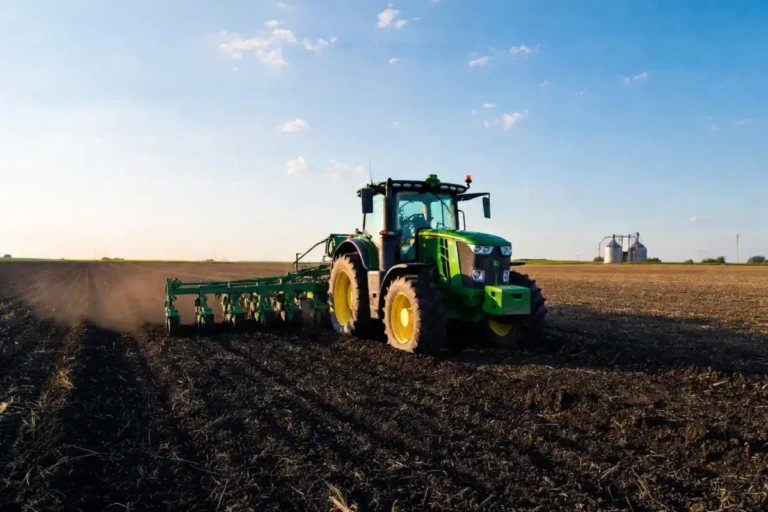
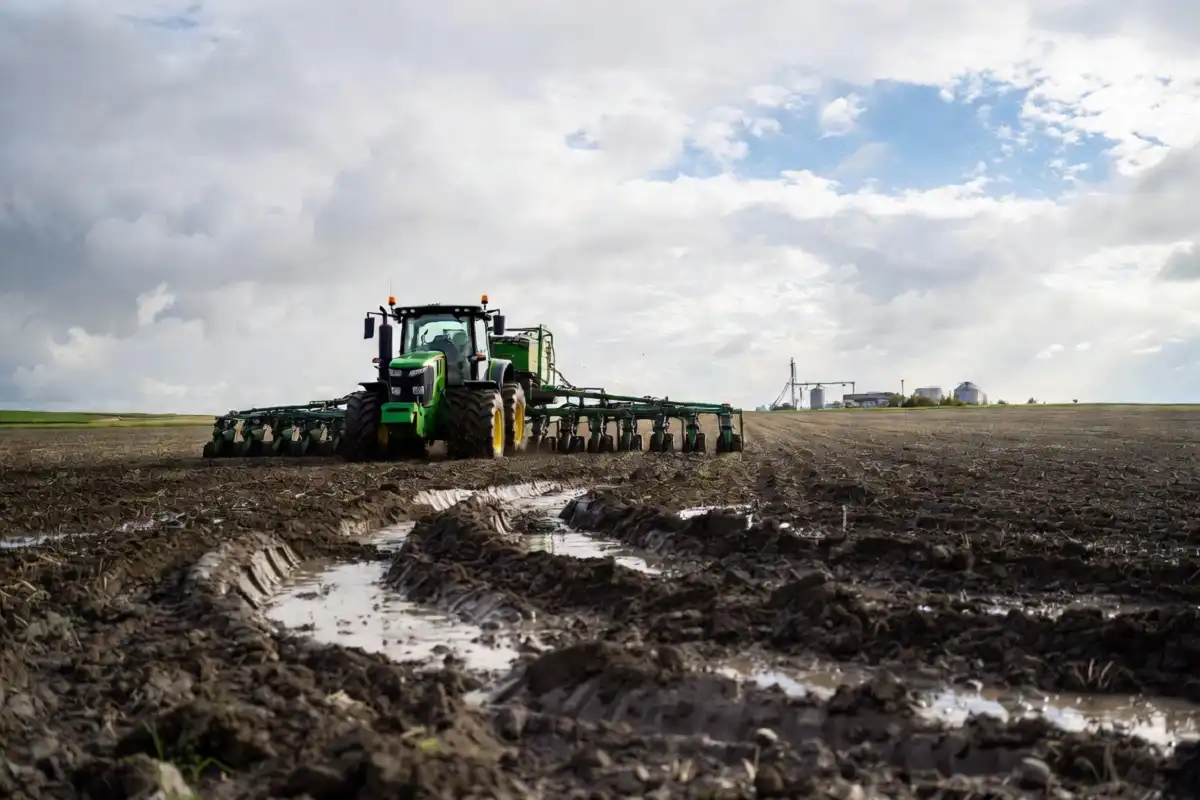
Heavy May rainfall across the Corn Belt has pushed US corn planting behind the five-year average, leaving growers in Iowa, Illinois, and Indiana scrambling to get seed in the ground before the optimal window closes. The latest USDA Crop Progress report shows corn planting at 78 percent complete as of mid-May 2026, trailing the typical pace of 84 percent and raising concerns about yield potential heading into summer.
The slowdown comes after a wet first half of the month that saturated fields across the central Midwest. Soybean planting has also lagged, sitting at 61 percent versus the five-year average of 65 percent. Farmers are now working long days between rain events to catch up, and agronomists warn that late planting can shave bushels off final yields if conditions stay unfavorable.
For more on how weather is shaping rural economies this season, see our earlier report on how winter wheat ratings shifted as 2026 planting split between northern and southern states, which covers parallel concerns in the small-grains sector.
Where Planting Stands Right Now
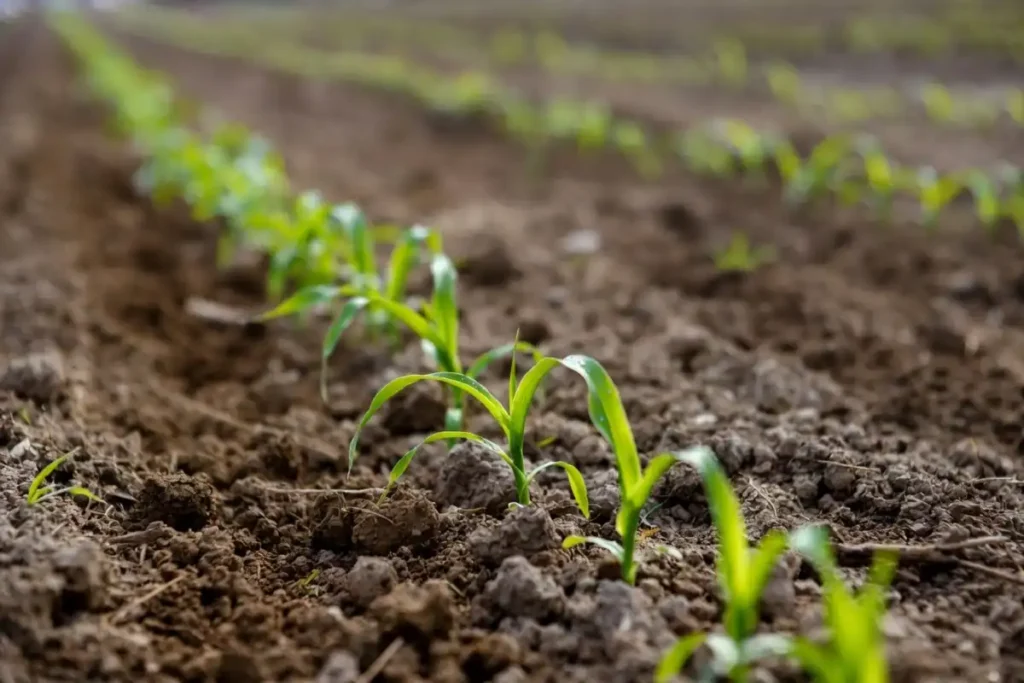
Iowa, the top corn-producing state, is sitting at 82 percent planted, slightly behind its usual mid-May position. Illinois has reached 75 percent, while Indiana is closer to 70 percent. Minnesota and Wisconsin are the most delayed, with Wisconsin corn planting at just 58 percent due to cool soil temperatures and persistent showers.
Southern states are in better shape. Missouri and Kansas have largely wrapped up corn planting and are now focused on early herbicide applications. The split between north and south mirrors patterns seen earlier this year in the wheat belt.
According to the USDA’s National Agricultural Statistics Service, soybean emergence is also running behind, with only 32 percent of acres showing emerged plants compared to the 38 percent five-year average.
Why the Delay Matters for Yields
Corn planted after May 20 typically yields less than corn planted in the first two weeks of May. Agronomists at land-grant universities estimate yield losses of roughly half a bushel per acre for each day of delay past the optimal window in northern states. Multiply that across millions of acres and the financial impact gets serious.
Insurance final plant dates are another pressure point. In much of the Corn Belt, the final plant date for full coverage falls between May 25 and June 5. Farmers who miss those dates face reduced coverage or have to switch to a shorter-season hybrid, which carries its own yield trade-off.
Workplace pressure on family operations is real during stretches like this. Our coverage of practical steps for career growth in business touches on how small operators balance long seasonal hours with longer-term planning.
Input Costs and Margins
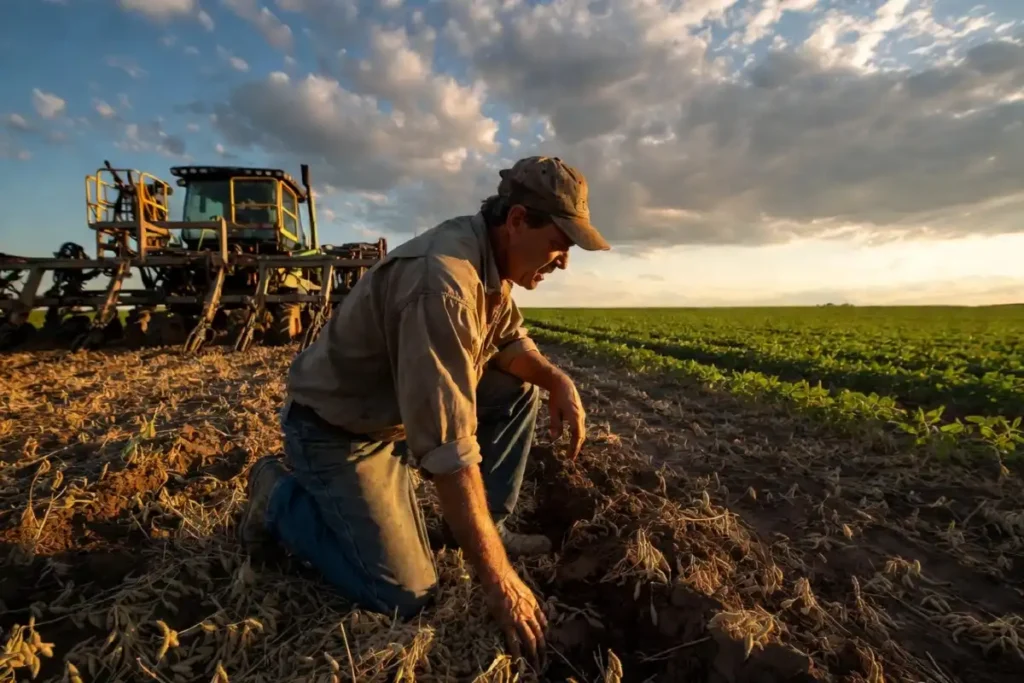
Fertilizer prices have eased compared to the highs of 2023 and 2024, but seed, fuel, and chemical costs remain elevated. Many growers locked in inputs months ago at prices that assumed a normal planting window and average yields. A delayed start tightens those margins quickly.
Diesel prices in the Midwest averaged $3.62 per gallon in early May, according to Reuters market data, giving operators running planters around the clock another cost to track.
Equipment Trends in the Field
Larger planters with automated section control have helped some farms cover more acres per day, but the technology only pays off when soil conditions cooperate. Several major equipment dealers in the Midwest reported a quieter spring than expected for new sales, with farmers holding off on big purchases until they see how the crop turns out.
For readers interested in how technology is reshaping other industries, the piece on why AI skills are now the fastest route to career growth covers related shifts happening outside agriculture.
Livestock and Hay Outlook
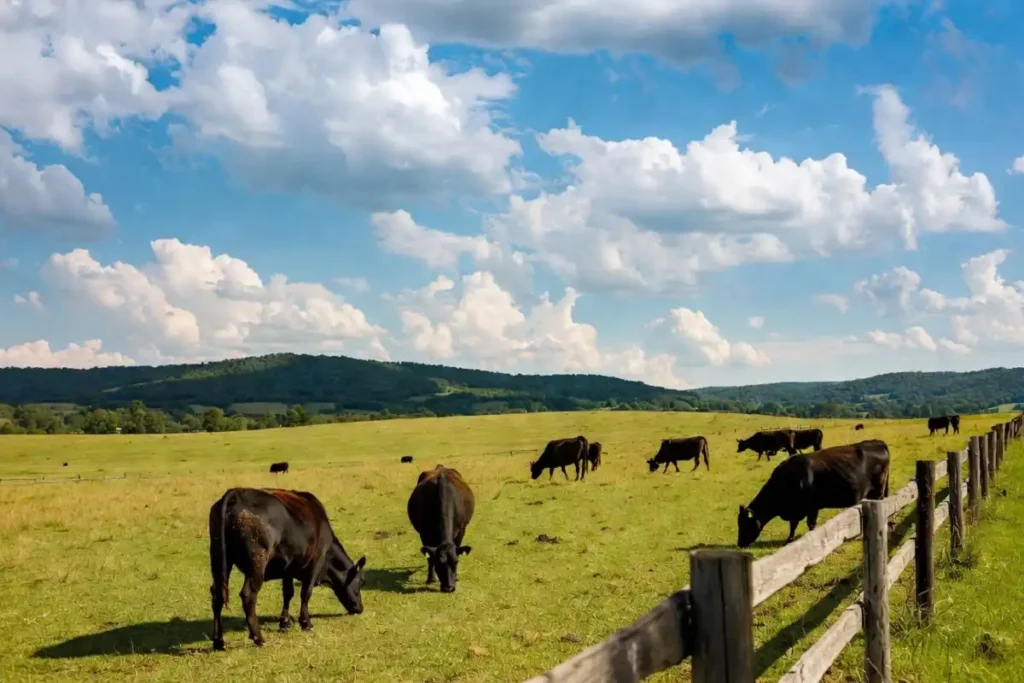
Cattle producers are watching pasture conditions improve as the rain that frustrated row crop farmers has helped grass growth. Hay yields are expected to come in stronger than last year in most of the central and eastern Corn Belt. Cattle prices remain firm, with feeder cattle futures holding above last year’s levels.
Dairy operations in Wisconsin and Minnesota are dealing with the flip side. Wet fields have delayed first-cutting hay, and quality could suffer if cuts get pushed too late into the season.
What Farmers Are Watching Next
Three things will shape the rest of the season. First, the weather over the next two weeks will determine how much delayed corn gets planted versus switched to soybeans or prevented plant claims. Second, June temperatures will influence how quickly late-planted crops can catch up. Third, export demand, particularly from China and Mexico, will set the floor on prices come harvest.
The USDA will release its next Crop Progress report on Monday, and traders are watching for signs that planting either rebounded or fell further behind.
For broader coverage of how rural and small-business operators are navigating 2026, our reporting on skills-based hiring trends reshaping how people move up offers useful context on the wider labor picture affecting farm workforces.
The next two weeks will tell the story for the 2026 corn crop. Farmers who get a clear stretch can still hit decent planting numbers. Those who stay rained out face harder choices about hybrid switches, insurance, and how much risk they want to carry into a season that is already off the standard pace.