US Farm Income Forecast Lifts as Spring Planting Wraps Up Across the Corn Belt
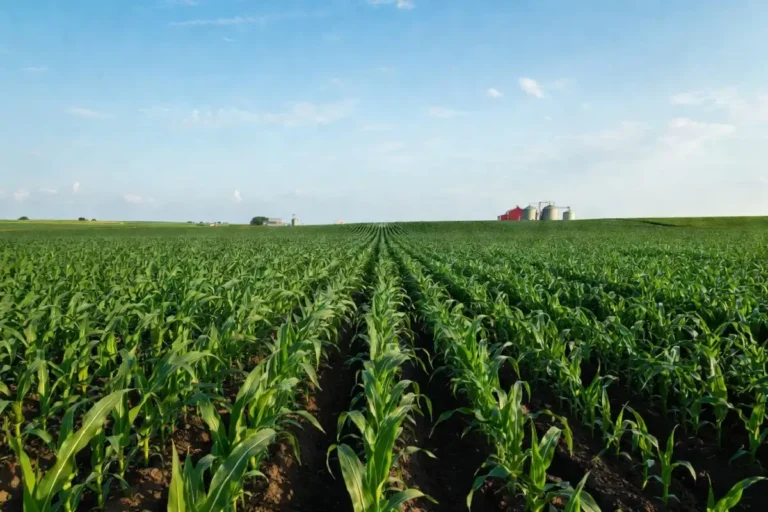
Farmers across the Midwest are finishing one of the fastest spring planting seasons in years, and new federal data suggests the financial outlook is improving. The US Department of Agriculture raised its 2026 net farm income forecast this month, citing stronger commodity prices and a rebound in livestock receipts.
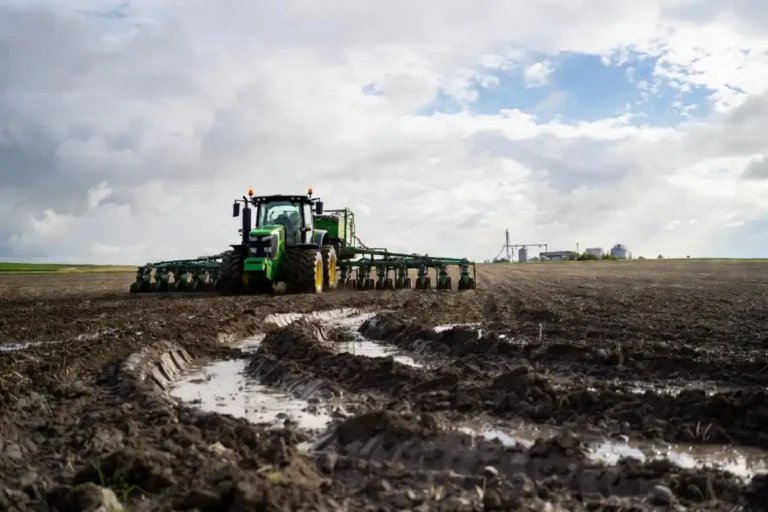
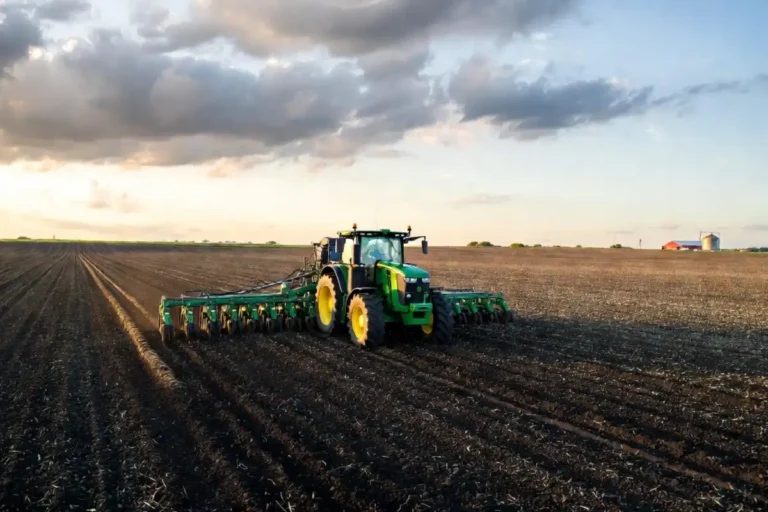
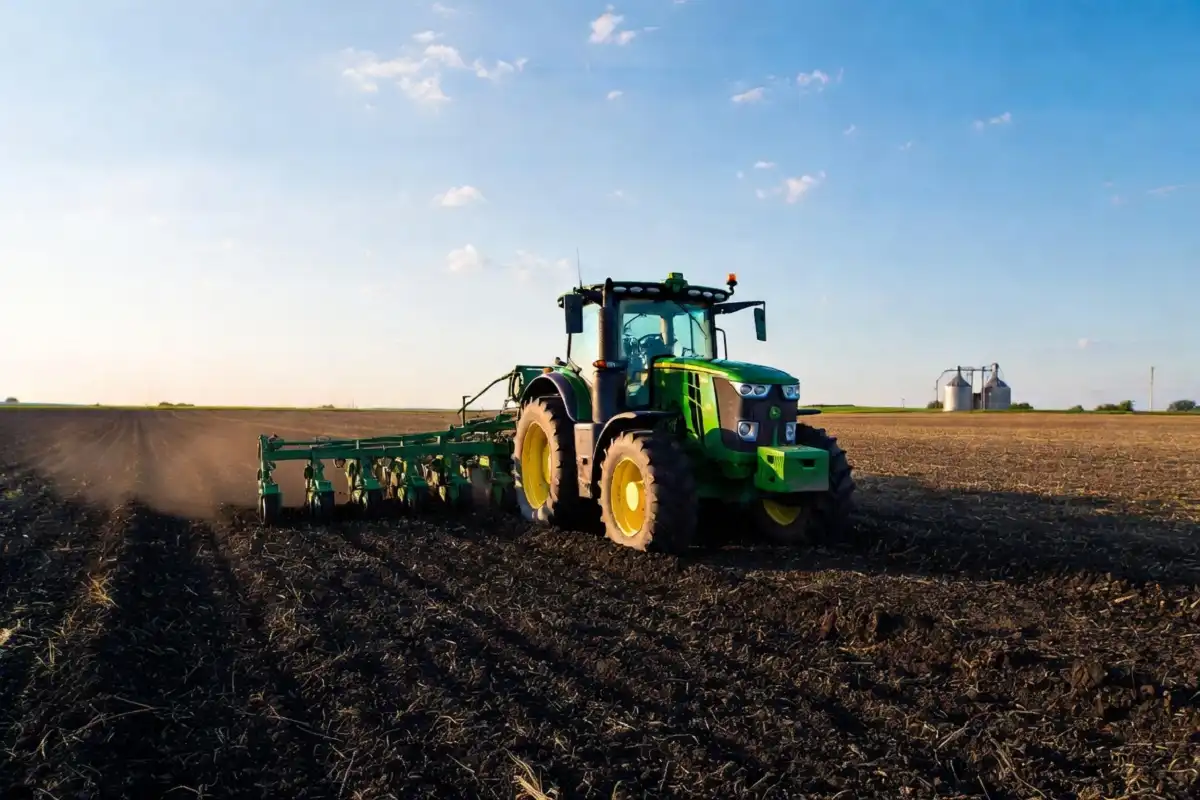
The update comes as corn and soybean planting moved well ahead of the five-year average through the third week of May. Dry conditions helped operators in Iowa, Illinois, Indiana, and Nebraska push through fieldwork without major delays.
Before getting into the numbers, here are related pieces worth reading. The earlier report on winter wheat conditions shows how the season split between northern and southern growers.
Net Farm Income Projected Higher for 2026
USDA’s Economic Research Service now projects net farm income at roughly $180 billion for 2026, up from earlier estimates released in February. The revision reflects firmer cash receipts for cattle, hogs, and dairy, along with steadier grain prices than analysts expected at the start of the year.
Crop receipts are forecast slightly lower than 2025 because of softer corn prices, but livestock receipts are doing the heavy lifting. Cattle inventories remain tight, which has kept beef prices elevated at the retail level.
Production expenses are also expected to ease compared with the 2023 peak. Fertilizer costs have come down from their highs, and fuel prices have stayed manageable through spring. According to Reuters coverage of the agricultural outlook, input cost relief has been one of the bigger stories for North American producers this season.
Planting Pace Runs Ahead of Average
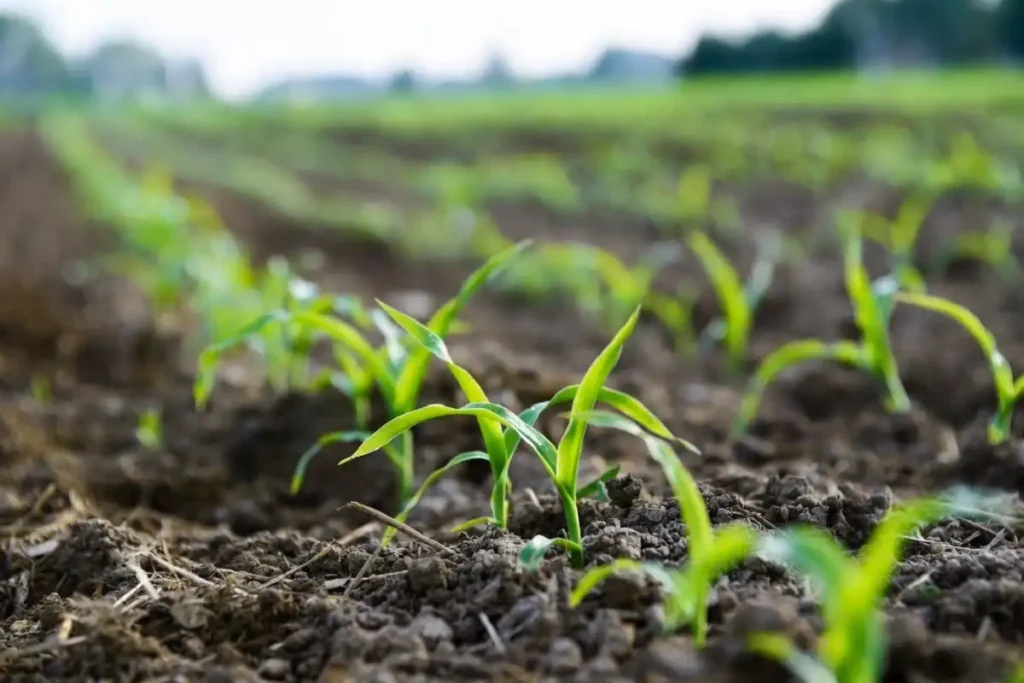
The latest Crop Progress report from USDA put corn planting at 88 percent complete nationally by May 18, well above the five-year average of 79 percent. Soybeans hit 71 percent, also ahead of schedule.
Illinois and Iowa farmers reported nearly finished corn planting. Some operators in central Illinois started soybean planting earlier than usual because soil temperatures climbed quickly through early May.
The Northern Plains tell a different story. North Dakota and parts of Minnesota saw cooler, wetter conditions that slowed seeding. Spring wheat planting in North Dakota lagged the average by about a week.
Commodity Prices Hold Steady Through May
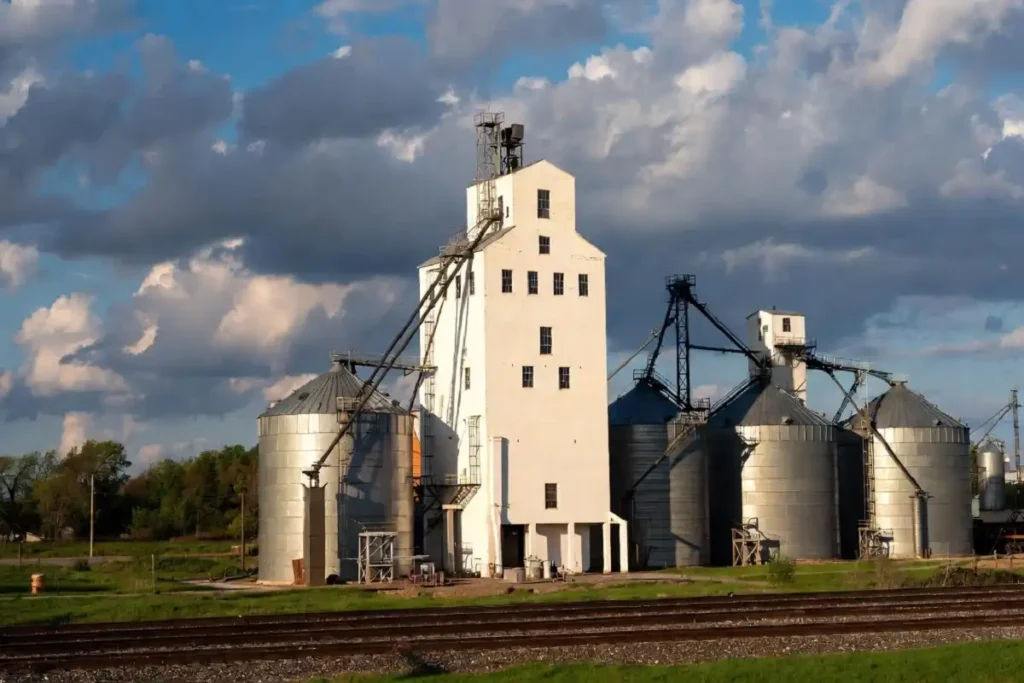
December corn futures traded near $4.50 a bushel through mid-May, while November soybeans hovered around $10.60. Both contracts have stayed in tight ranges as traders watch weather forecasts and export demand.
Wheat prices got a small lift after the May World Agricultural Supply and Demand Estimates report trimmed US winter wheat production estimates. Hard red winter wheat areas in Kansas and Oklahoma remain dry, and the crop’s good-to-excellent rating slipped further this month.
Cotton planting in the Southeast and Texas progressed steadily, though Texas growers are still watching soil moisture levels closely. Rice planting in Arkansas and Louisiana neared completion.
Trade and Export Demand Watch
US soybean exports to China picked up modestly in early May after several quiet weeks. Total commitments for the 2025/26 marketing year remain below the same point last year, but pace has stabilized.
Beef exports to Japan and South Korea continued at strong levels. Pork shipments to Mexico stayed near record territory. Dairy exports also held firm, with cheese demand from Southeast Asia helping support farm-level milk prices.
The USDA’s Foreign Agricultural Service noted that global grain stocks tightened slightly from earlier projections. That has helped underpin prices even with large South American harvests entering world markets.
For readers interested in how broader business conditions affect agriculture, the career growth coverage and workplace trends section include related labor and skills content that touches on rural employment.
Weather Outlook for Growing Season
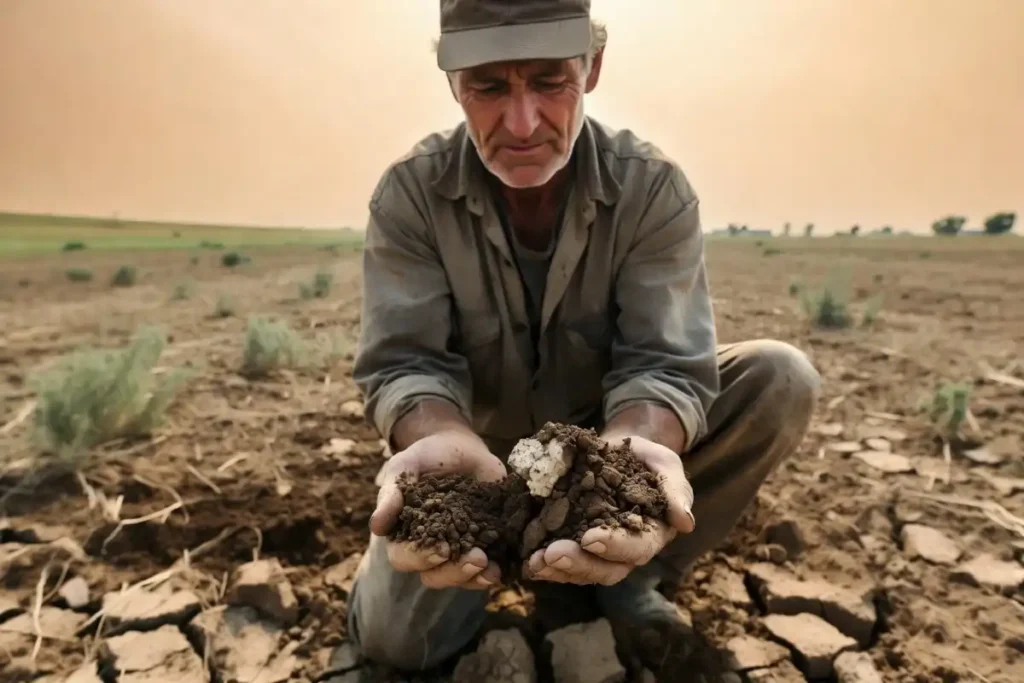
The National Oceanic and Atmospheric Administration’s summer outlook leans toward warmer than normal temperatures across most of the Corn Belt. Precipitation odds are mixed, with the western Plains showing higher chances of below-normal rainfall.
A weak La Niña pattern is expected to fade into neutral conditions through summer. Crop weather forecasters say that should reduce extreme weather risk compared with recent years, though localized stress is still possible in July and August.
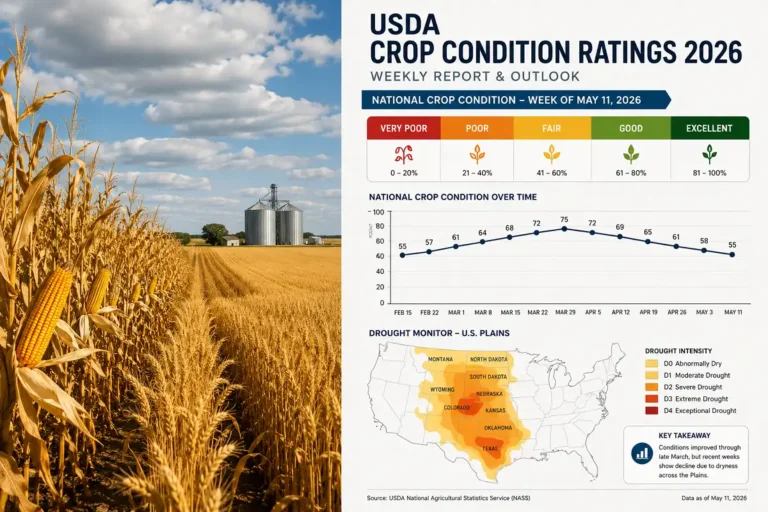
Drought monitoring shows expanding dry conditions in western Kansas, eastern Colorado, and parts of Nebraska. Producers in those areas have shifted some acres from corn to grain sorghum or sunflowers, both of which handle dry conditions better.
Input Costs and Farm Finance
Anhydrous ammonia prices averaged around $700 per ton through spring, down meaningfully from 2023 levels. Diesel and gasoline costs held steady, supporting tighter operating budgets.
Farm loan demand remains elevated. The Federal Reserve Bank of Kansas City reported that non-real-estate farm lending increased in the first quarter as producers managed cash flow through planting. Land values stayed firm in most Corn Belt states, though the pace of appreciation has slowed from the rapid gains of 2022 and 2023.
Crop insurance enrollment for 2026 came in close to last year’s level. Most growers locked in revenue protection at the February price discovery levels, which were higher than where current futures sit today.
What to Watch Next
The June Acreage report from USDA on June 30 will give the first official update on planted acres compared with March intentions. Analysts expect corn acres could come in slightly above the March figure given the smooth planting season.
Pollination weather in July will set the tone for yield potential. Early-planted corn could benefit if heat arrives before pollination rather than during it.
Livestock producers will watch feed costs closely. If corn prices stay near current levels, cattle and hog margins should remain workable through the second half of 2026.
USDA raised its 2026 net farm income forecast to $180 billion as corn planting hit 88% by May 18. Livestock receipts lead the gains across the Corn Belt.