US Farming Update May 2026: Planting Catches Up, Cattle Hold Records
The U.S. farming sector entered the back half of May 2026 with mixed signals across grain belts, livestock markets, and trade policy. Planting progress picked up after weeks of wet delays in parts of the Midwest, while cattle prices held near record territory and new tariff developments shifted export outlooks for soybeans and pork.
Producers heading into Memorial Day weekend are watching three things closely: corn and soybean planting catch-up, the cattle market’s reaction to softer beef demand signals, and how the latest round of trade talks affects grain shipments to China and Mexico.
For broader context on rural and agricultural shifts this season, readers can review our coverage of winter wheat condition ratings heading into the 2026 crop year, which set the tone for spring fieldwork across the southern Plains.
Corn and Soybean Planting Closes the Gap
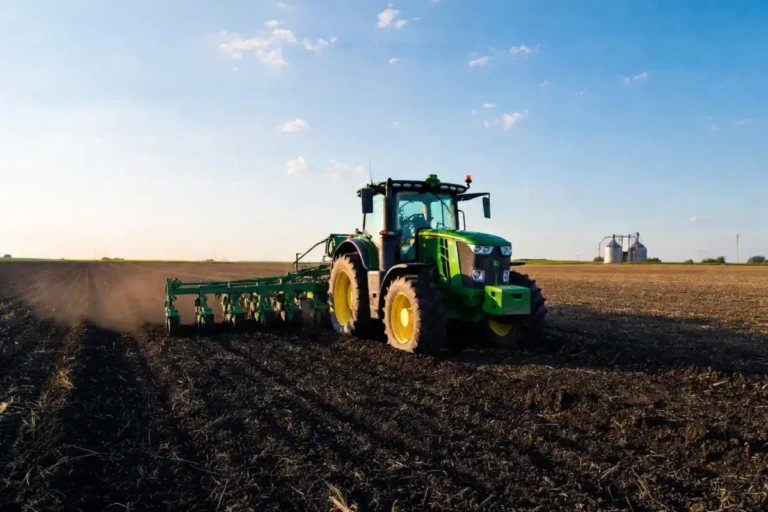
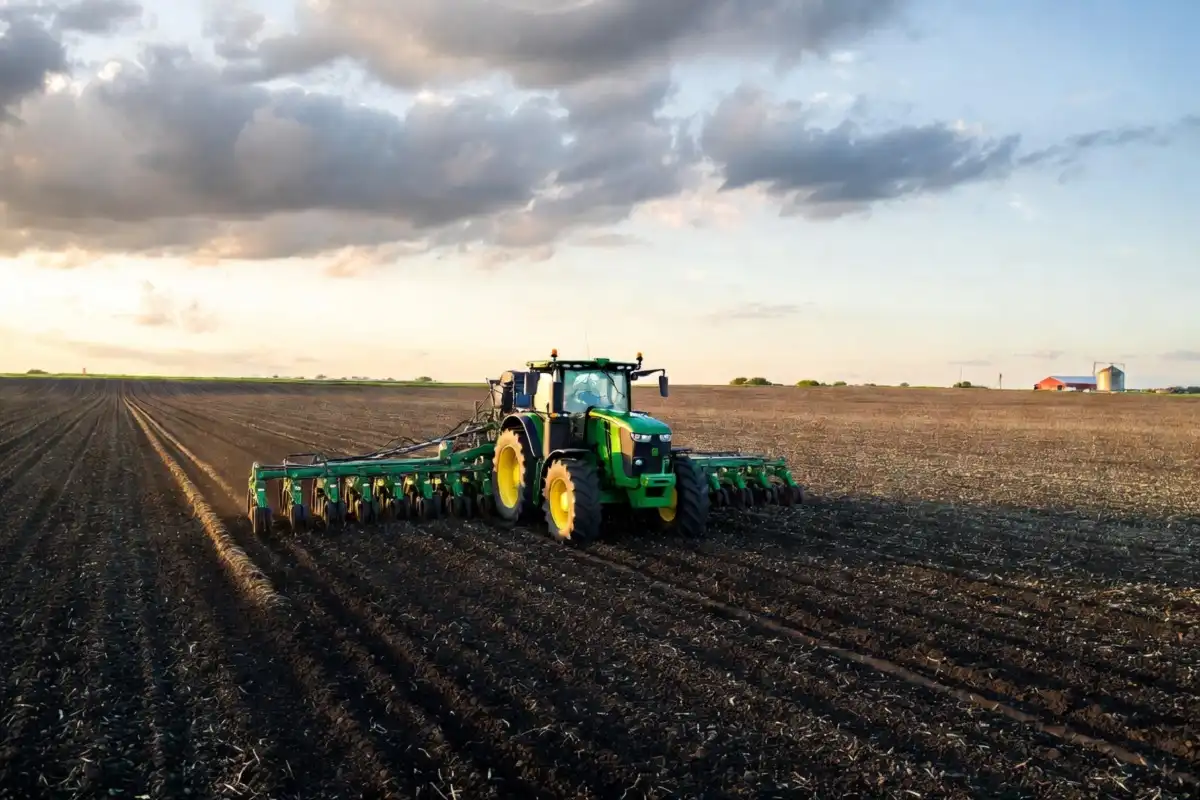
USDA’s Crop Progress report released Monday, May 19, showed corn planting at 78 percent complete across the 18 major producing states, slightly behind the five-year average of 81 percent but a sharp jump from the prior week. Soybean planting reached 66 percent, just two points off the average pace.
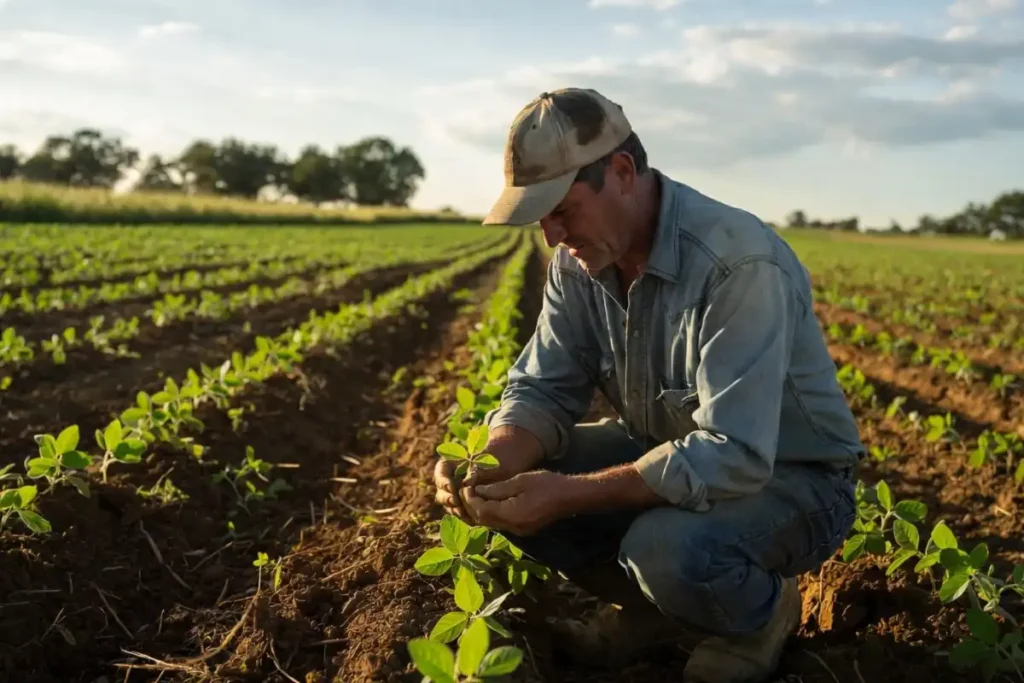
Iowa, Illinois, and Nebraska led the catch-up after dry windows opened across the western Corn Belt. Ohio, Indiana, and Michigan still lag because of saturated fields and storm systems that rolled through the eastern belt during the second week of May.
Corn emergence sits at 50 percent nationally, with farmers reporting good early stands where soil temperatures held above 55 degrees. Soybean emergence reached 34 percent, also tracking near normal.
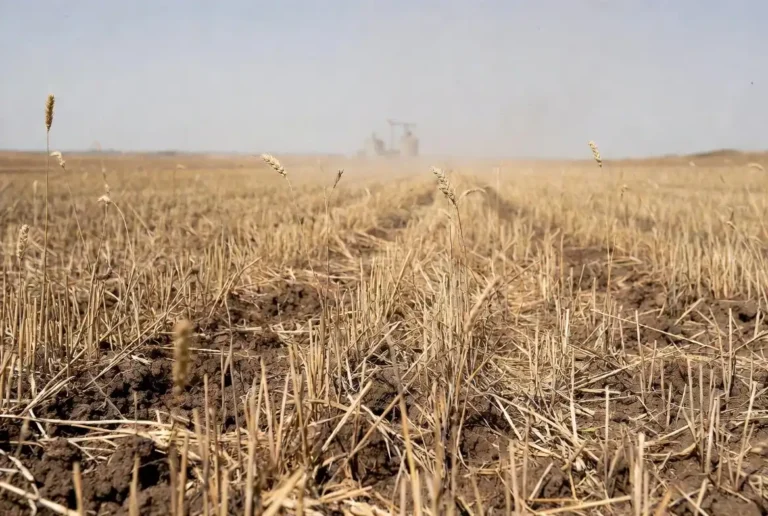
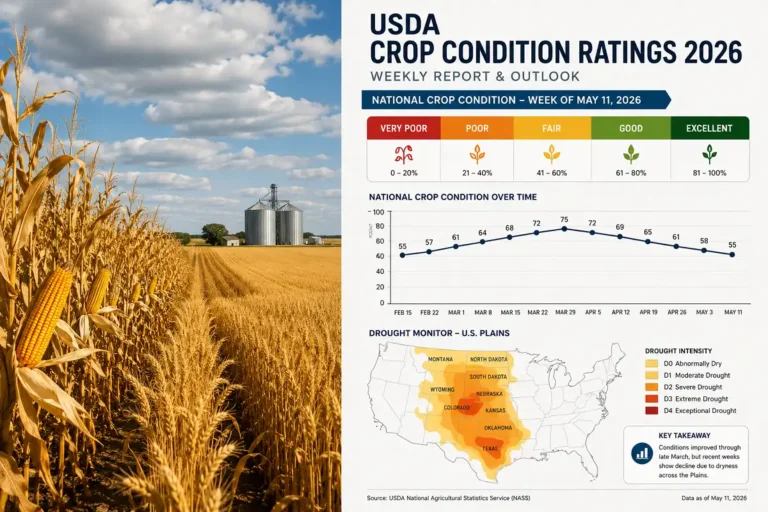
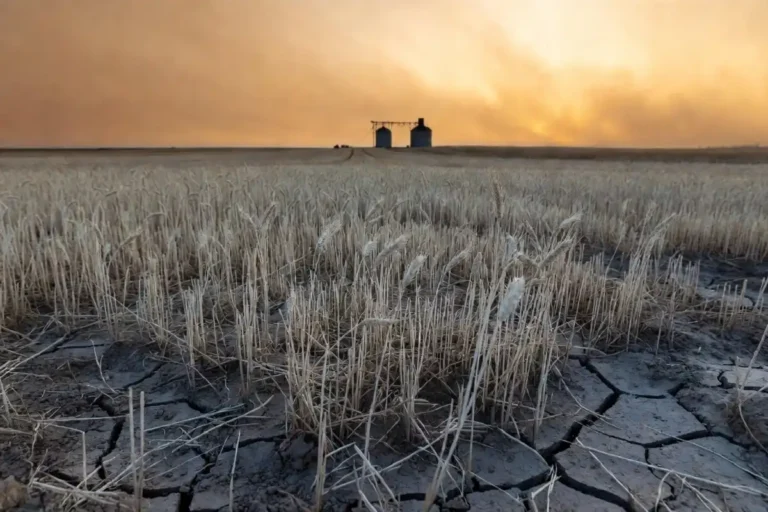
Wheat conditions told a tougher story. The latest USDA crop progress data rated winter wheat at 50 percent good-to-excellent, down from 52 percent the previous week. Kansas, the country’s top wheat state, slipped further on continued dryness across the western counties.
Cattle Markets Stay Near Records
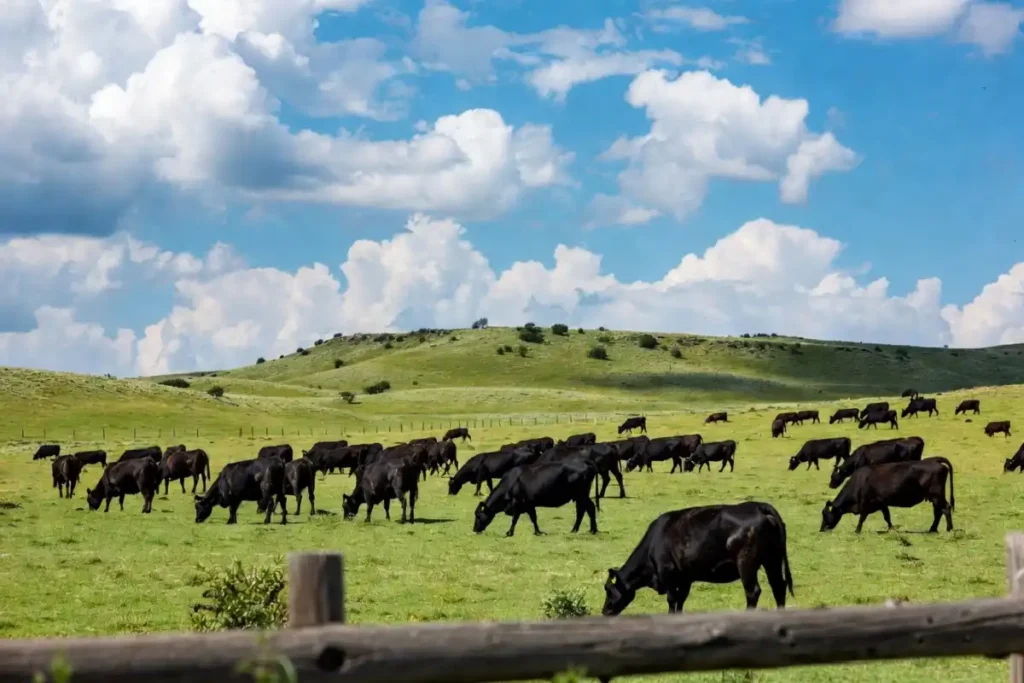
Live cattle futures on the CME held near $2.20 per pound through the third week of May, keeping prices within reach of the all-time highs set earlier this spring. The U.S. cattle herd remains at its smallest size in decades, which has kept feeder and fed cattle values elevated.
Packers continue to compete for limited supplies, though boxed beef prices showed signs of softening as grilling season demand failed to match retailer expectations. The Choice cutout slipped about $4 per hundredweight week over week.
Ranchers in Texas and Oklahoma reported improved pasture conditions after May rains, which may slow placements into feedlots and tighten supplies further into the summer. Drought monitor maps showed significant improvement across the southern Plains compared to April.
Readers tracking how rural economics intersect with broader business trends can see our reporting on career growth and skills-based shifts shaping the workforce in 2026.
Trade Policy and Export Markets
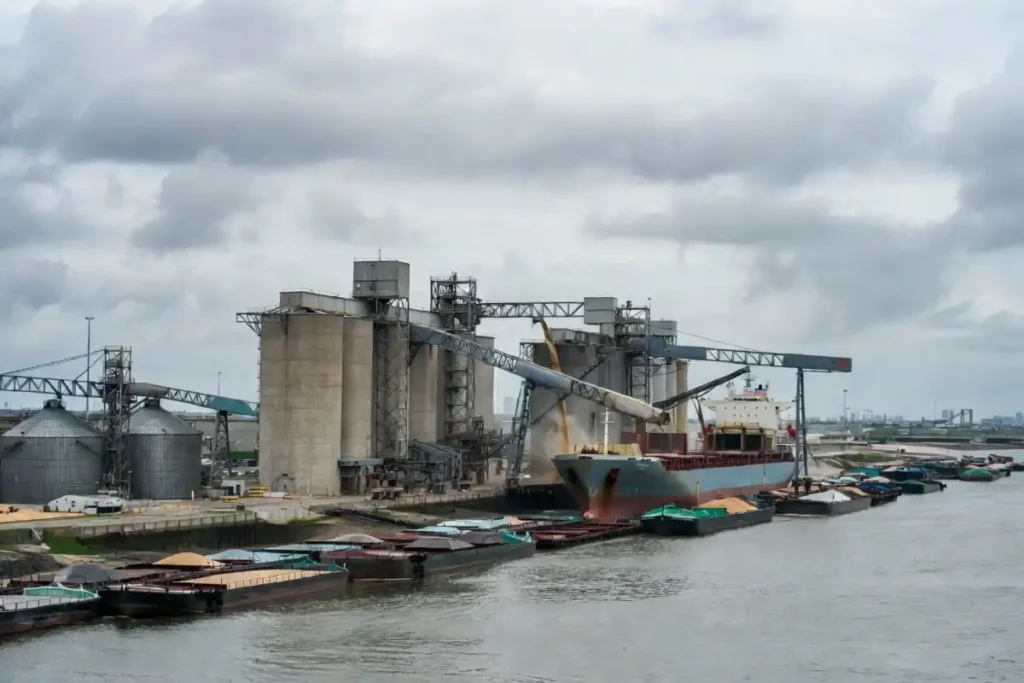
Soybean export sales to China remained light in May. According to USDA’s weekly export inspections, China bought minimal volumes during the week ending May 15, continuing a slow pace that has weighed on Gulf basis levels.
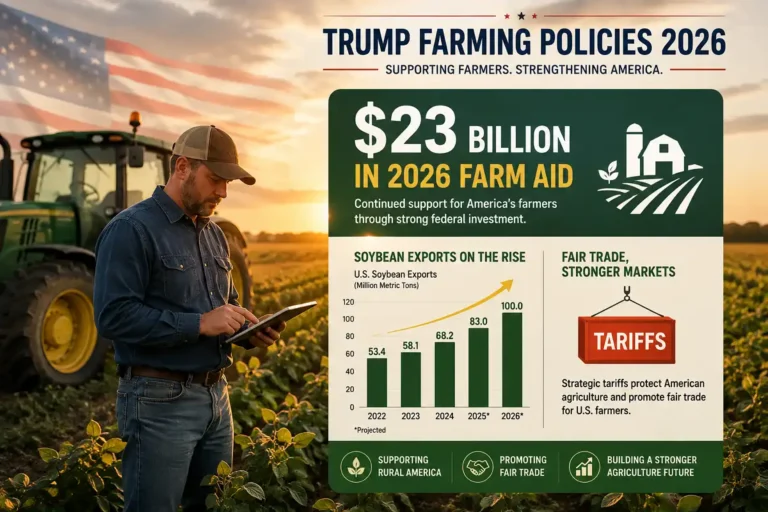
The ongoing tariff situation between Washington and Beijing has farm groups asking for clarity on the 2026/27 marketing year. The American Soybean Association issued a statement this week urging the administration to secure firm Chinese purchase commitments before fall harvest begins.
Mexico continues to be the bright spot for U.S. corn exports, with shipments running ahead of last year’s pace. Pork exports also held firm to Mexico and Japan, though Reuters reported that processors are watching for any retaliatory measures tied to ongoing trade discussions.
Inputs, Fuel, and Farm Income
Diesel prices at the farm pump averaged around $3.45 per gallon in mid-May, down roughly 20 cents from the same period a year ago. Lower fuel costs offer some relief as planters and sprayers run long hours to finish spring work.
Fertilizer prices stayed flat through May. Anhydrous ammonia held near $750 per ton in the Midwest, and urea moved in a narrow range. Potash and phosphate values softened slightly on weaker global demand.
USDA’s most recent farm income forecast projects net farm income at $180.1 billion for 2026, supported mainly by livestock receipts and government program payments. Crop receipts are expected to lag because of lower corn and soybean cash prices compared to the 2022 and 2023 peaks.
For agriculture-adjacent business coverage, our piece on steps that actually drive career growth in business offers context on the labor side of the rural economy.
Weather Outlook Into June
The National Weather Service Climate Prediction Center’s six to ten day outlook points to above-normal temperatures across the Plains and Midwest, with near-normal precipitation through the end of May. Farmers in the eastern Corn Belt are hoping the warmer pattern dries fields enough to wrap up planting before the agronomic deadline for full-season corn passes.
The Western and Northern Plains remain in a wetter pattern, which supports wheat and pasture recovery but is slowing some late corn and soybean fieldwork in the Dakotas and Minnesota.
Readers who follow how rural news connects to broader global updates and policy shifts can find related coverage in that section.
What to Watch Next Week
The next Crop Progress report drops Tuesday, May 27, following the Memorial Day holiday. Markets will look for confirmation that corn planting cleared 90 percent and that soybean acres moved well past the 75 percent mark. Cattle on Feed data also arrives this week and will give the first read on May placements and marketings.
Export sales for the week ending May 22 will show whether China stepped back into the soybean market or stayed on the sidelines heading into South American shipping season.