Avocado Farming Over Tea in Kenya’s Bomet County, 2026
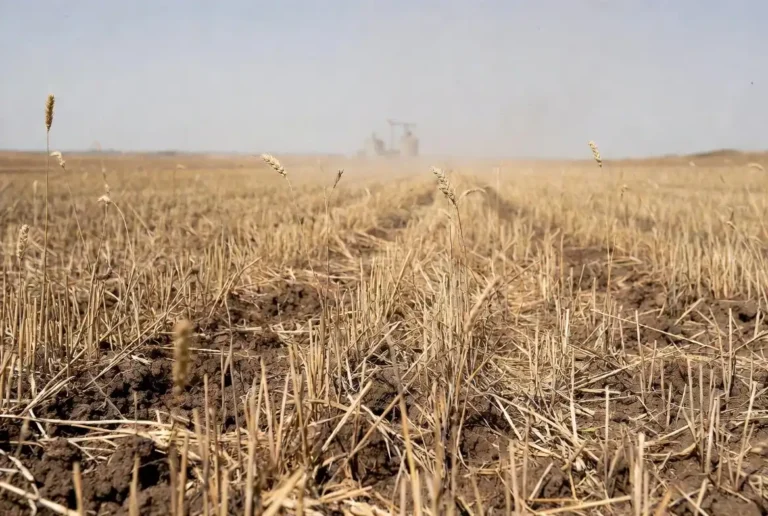
Farmers across Bomet County are making a clear agricultural shift in 2026. The move toward avocado farming over tea is not a fringe decision anymore. It is a financially driven response reshaping what smallholder households grow, earn, and plan around.
Tea dominated this region for decades. In 2026, that hold is weakening fast.
Why Farmers Are Choosing Avocado Farming Over Tea
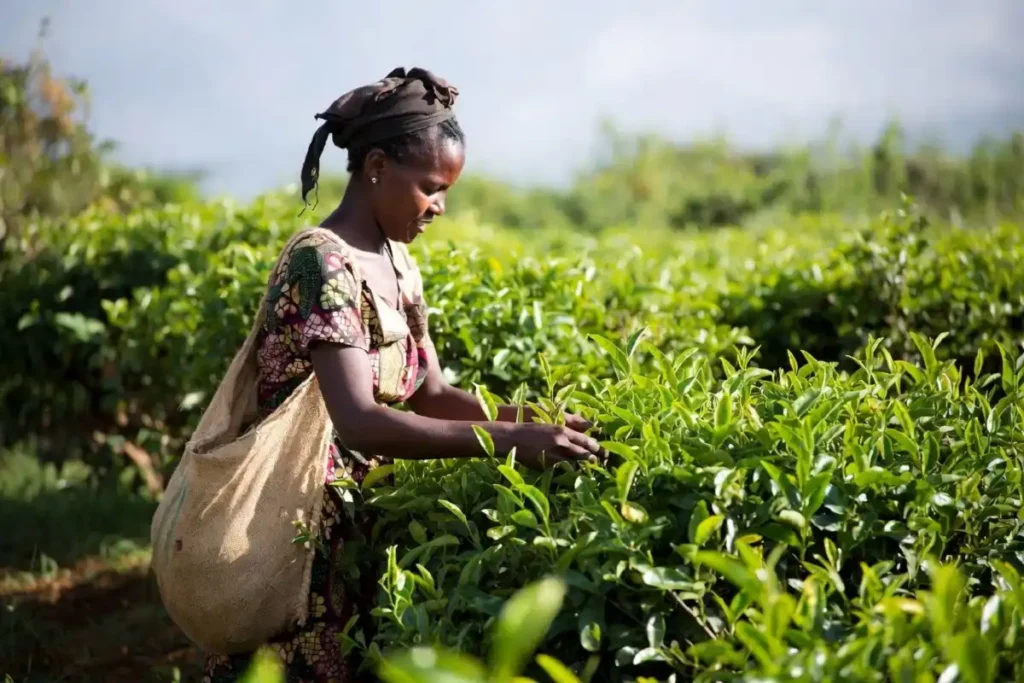
The Kenya Tea Development Agency pays farmers around Sh20 per kilogram of green tea leaf. Tea pickers take Sh10 from that. After fertilizer, pruning, and weeding costs, the farmer is left with just Sh5 to Sh7 per kilogram.
Those margins have made avocado farming over tea the practical choice for a growing number of households.
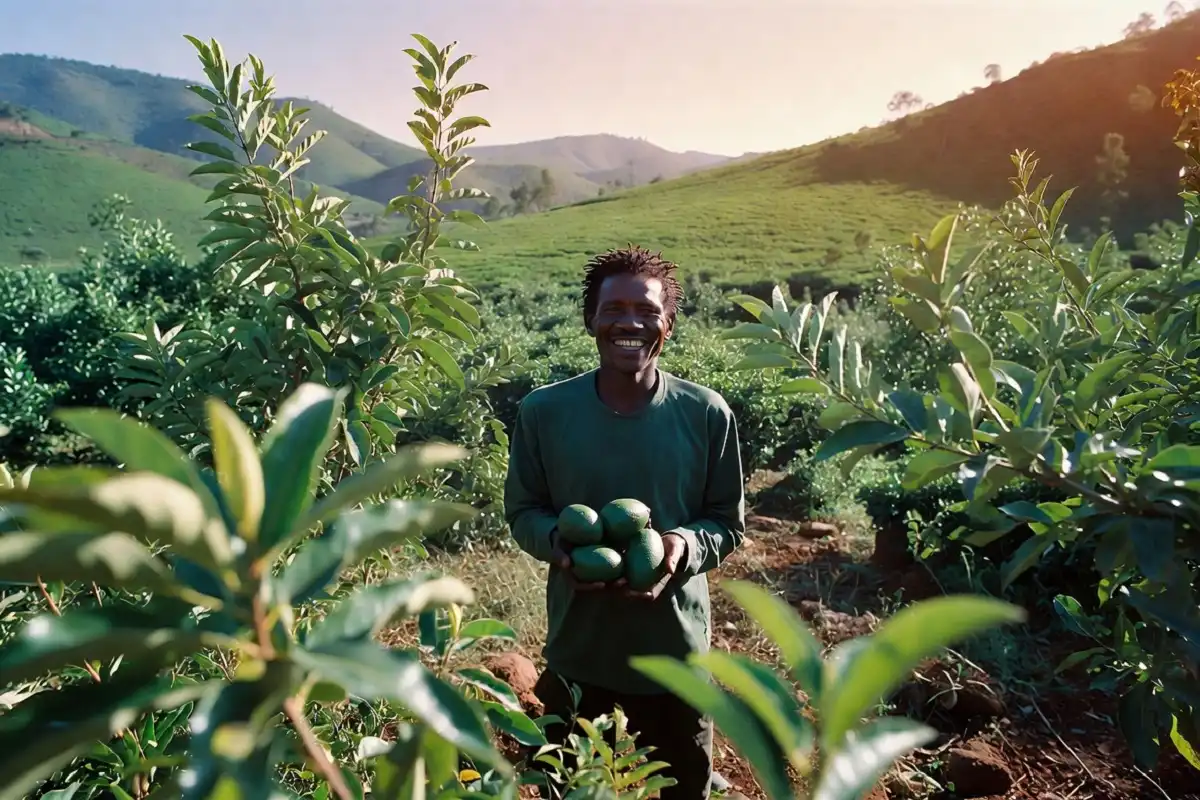
Judy Chepkoech Chumo, a farmer in Sotik, explained directly: “With the declining tea prices, we have decided to embrace avocados, which have huge market potential and better returns.” She had already planted 30 seedlings on her farm from a batch of 7,200 issued to her self-help group through the county’s FLoCA programme. Her decision followed a visit to a neighbor earning enough from avocados to pay school fees and support his family. That kind of household stability was exactly what avocado farming over tea was starting to deliver across the region, where tea had stopped keeping up.
You can read the full on-the-ground account of this shift in a detailed report by Daily Nation from March 2026. Bomet’s crop shift also connects to similar farmer-led moves tracked in recent farming coverage worldwide, where smallholders are rapidly responding to traditional crop income declines.
The Income Case for Avocado Farming Over Tea
Avocado trees produce a crop that earns more per unit in both local and export markets. The Hass variety is the most in-demand type globally and is now the primary variety being planted across Bomet. Fuerte avocados are also grown in Kenya’s central highlands, but Hass leads the export market because of its shelf life, flavor, and thick skin.
The labor structure is different too. Tea requires picking every two to three weeks throughout the growing season. Avocados follow a different harvest cycle with lower ongoing labor costs per round. That directly improves the net income a farmer takes home.
Betty Chirchir, another member of the Kimoso Widows Self Help Group, said she decided to plant avocados after an agronomist explained the benefits at a church service on a Sunday afternoon, noting that the crop could also feed her family in addition to providing market income. For Betty, choosing avocado farming over tea was not just a financial decision. It was a practical one for her household’s daily needs.
Production Numbers That Support Avocado Farming Over Tea
Kenya’s avocado figures are growing consistently. According to USDA’s Foreign Agricultural Service data on Kenya, production is forecast to reach 727,000 tonnes in 2026, up 4.8 percent from 2025. The area under cultivation is projected to grow by 5.6 percent to around 37,600 hectares, driven by farmers actively shifting toward avocado farming over tea and other lower-value crops.
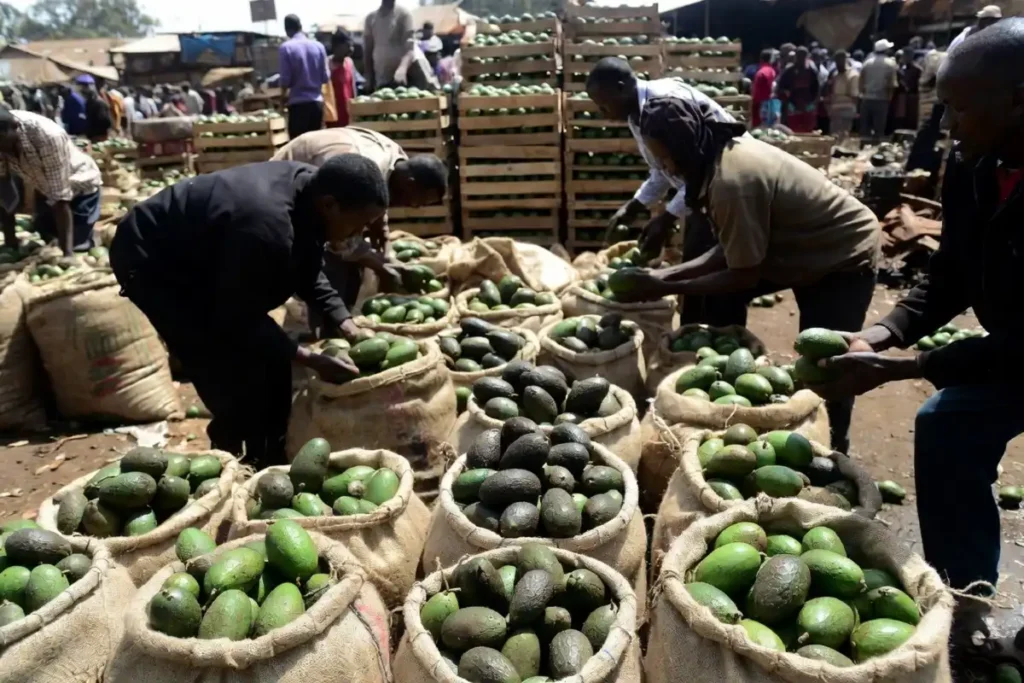
Kenya is Africa’s largest avocado exporter. The country ships more than 60 percent of its produce to Europe and the Middle East. China opened its market to Kenyan avocados in 2022 and has been buying more steadily ever since. Avocado exports are forecast to rise 7.4 percent in 2026 to around 130,000 tonnes.
Export value reached $159 million in 2024, an 11 percent jump from the prior year, driven by increasing international demand and improved market competitiveness. That growth shows why avocado farming over tea makes sense not just for individual farmers but for the country’s agricultural economy overall.
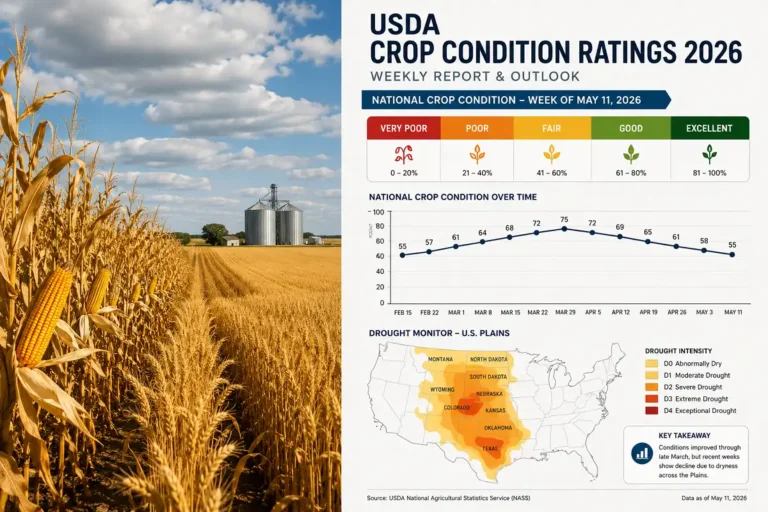
Avocado is now Kenya’s leading fruit export, ahead of pineapples, mangoes, passion fruits, and lemons. This sector’s growth stands out further considering USDA’s 2026 crop condition reports came in soft for several other major crops this season.
County Support Behind Avocado Farming Over Tea
Bomet County’s government is directly funding this transition. The county distributed more than 150,000 avocado seedlings to farmers across four sub-counties: Bomet East, Bomet Central, Sotik, and Konoin. Another 30,000 seedlings came from the national government for Konoin constituency. A further 50,000 were supplied through the FLoCA programme.
Solomon Kimetto, the Chief Officer for Water, Environment, Natural Resources and Climate Change, said that beyond income, avocado farming over tea also addresses health, nutrition, and climate resilience: “Apart from addressing health and nutrition issues, avocado is a high-value crop that also contributes to climate change mitigation while providing a significant income source for farmers.”
The county’s push also connects to Kenya’s national goal of planting 15 billion trees by 2032. Agricultural extension officers are actively guiding farmers on correct planting and orchard management practices.
This kind of government-backed crop transition mirrors patterns visible in US farm income forecasts for 2026, where public programmes are helping farmers pivot toward higher-value crops as a deliberate income strategy.
Quality Standards That Protect Avocado Farming Over Tea
Kenya’s 2025 avocado export season ran into serious trouble. Exports fell 23.4 percent year-on-year to 121,000 tonnes. Two factors caused the decline: quality issues from premature harvesting, and shipping disruptions along the Red Sea and Suez Canal route after Houthi attacks on commercial vessels forced shipping companies to reroute, raising costs and causing significant delays.
Kenya’s Agricultural Food Authority suspended avocado exports from October 2025. The ban was lifted on April 7, 2026, after farm surveys confirmed adequate volumes of mature fruit were available.
New transport rules were introduced to strengthen avocado farming over tea as a reliable long-term income source. Open trucks and pickups are now banned for avocado transportation. Farmers harvesting immature fruit risk losing their export licenses entirely.
Both the EU and China have raised concerns about Kenyan avocado quality in recent export cycles. This pressure mirrors dynamics visible in China’s 2026 agricultural trade agreements, where importing countries are holding exporting nations to higher quality standards.
Strong quality controls protect the export market that makes avocado farming over tea financially sustainable. Without reliable access to European and Middle Eastern buyers, the income advantage for farmers would narrow significantly.
What 2026 Looks Like for Bomet’s Farming Families
Murang’a County continues to lead Kenya’s avocado production, making up a considerable portion of the total planted area. But Bomet is rising fast, with cultivation area expanding each year.
With seedling programmes delivering new trees to thousands of farms, export channels expanding, and tighter rules protecting market prices, the county is building a strong and sustainable agricultural position.
For families who spent years netting Sh5 to Sh7 per kilogram from tea, this is a meaningful shift. Locals in the area have started calling avocados their green gold. Given the numbers in 2026, that nickname fits.