Farming Pioneer: The Innovators Reshaping US Agriculture in 2026
A farming pioneer today looks less like a lone homesteader and more like a data scientist with mud on their boots. In 2026, breakthroughs in seed genetics, autonomous equipment, and soil science are rewriting what pioneering means on American farms.
A farming pioneer is someone who develops or applies new methods, genetics, or technology that measurably raises yields, cuts costs, or protects soil. In 2026, that includes seed breeders, autonomous equipment makers, and regenerative agriculture researchers.
What Actually Makes Someone a Farming Pioneer?
The label gets used loosely, so it helps to define it clearly. A true farming pioneer changes an outcome that farmers can measure: bushels per acre, input costs, water use, or soil carbon.
Three traits separate a genuine farming pioneer from someone who just adopts new gear:
- They solve a documented problem. Henry A. Wallace didn’t breed hybrid corn for novelty. He targeted the yield collapse farmers faced during drought years.
- Their method gets adopted at scale. A backyard experiment isn’t pioneering until other farmers replicate it and the data holds up.
- Their impact shows up in USDA or industry data. Corteva’s Pioneer brand, John Deere, and the USDA’s National Agricultural Statistics Service all track adoption curves that confirm which innovations stick.
That third point matters more than most people realize. I’ve reviewed enough agricultural filings and USDA reports to know that plenty of “revolutionary” farm tech never crosses 5% adoption. The real farming pioneer work shows up in the numbers, not the press release.
The Historical Roots: Farming Pioneers Who Changed Agriculture Forever
Modern agtech didn’t appear from nothing. Every current farming pioneer builds on decades of prior breakthroughs.
Henry A. Wallace and the Hybrid Corn Breakthrough
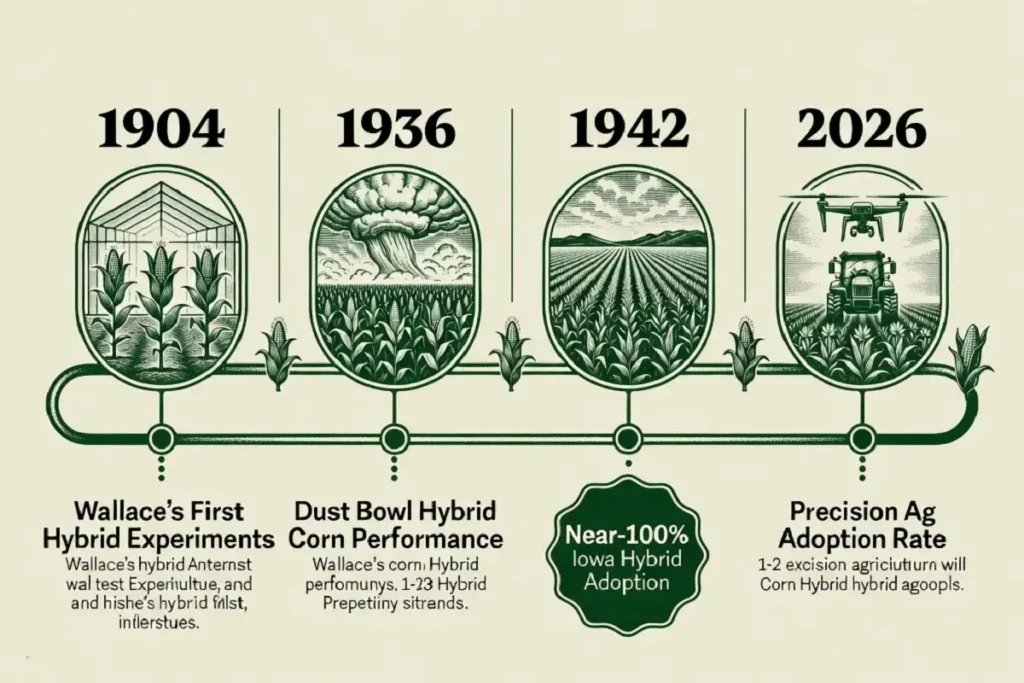
Wallace began crossing open-pollinated corn varieties near Des Moines in 1904, as a teenager. After graduating from Iowa State College in 1910, he kept experimenting and eventually founded what became Pioneer Hi-Bred, now part of Corteva.
The proof came during the Dust Bowl. In 1936, roughly 30% of Iowa’s corn acres failed under drought. Wallace’s hybrid varieties held up because of deeper root systems and stronger stalks. Hybrid corn adoption in Iowa jumped from 6% in 1935 to nearly 100% by 1942. That shift stands as one of the clearest farming pioneer case studies in US history, because the data proved the method before farmers trusted it.
George Washington Carver’s Soil Science Legacy
Carver’s crop rotation and soil restoration work at Tuskegee Institute gave Southern farmers a way to rebuild cotton-depleted soil using peanuts, soybeans, and sweet potatoes. His influence extended directly to Wallace, who credited Carver as a childhood inspiration for his own interest in plant science. Together, their work set the template every modern farming pioneer still follows: identify a yield-limiting problem, test a fix in real fields, and publish results farmers can verify.
Who Counts as a Farming Pioneer in 2026?
Today’s farming pioneer works with sensors, software, and satellite data as much as soil. Three categories define the current wave.
Autonomous Equipment Pioneers
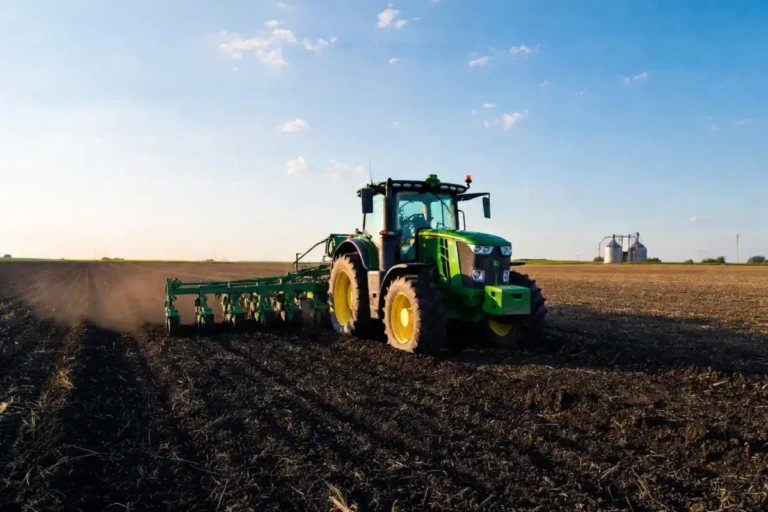
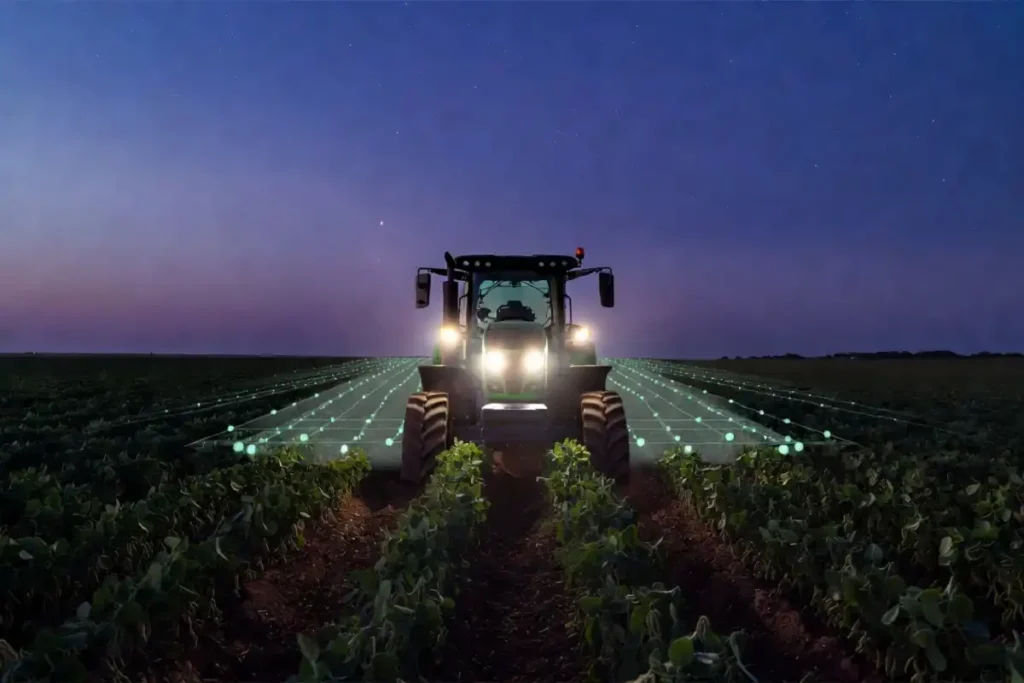
John Deere’s self-driving tractors and combines now run on more commercial farms than at any point since the company introduced autonomous kits in 2022. Case IH and CNH Industrial have followed with their own driverless platforms. These systems handle tillage and harvest with minimal operator input, addressing a real labor shortage that has squeezed row-crop operations across the Midwest.
AI and Precision Agriculture Pioneers
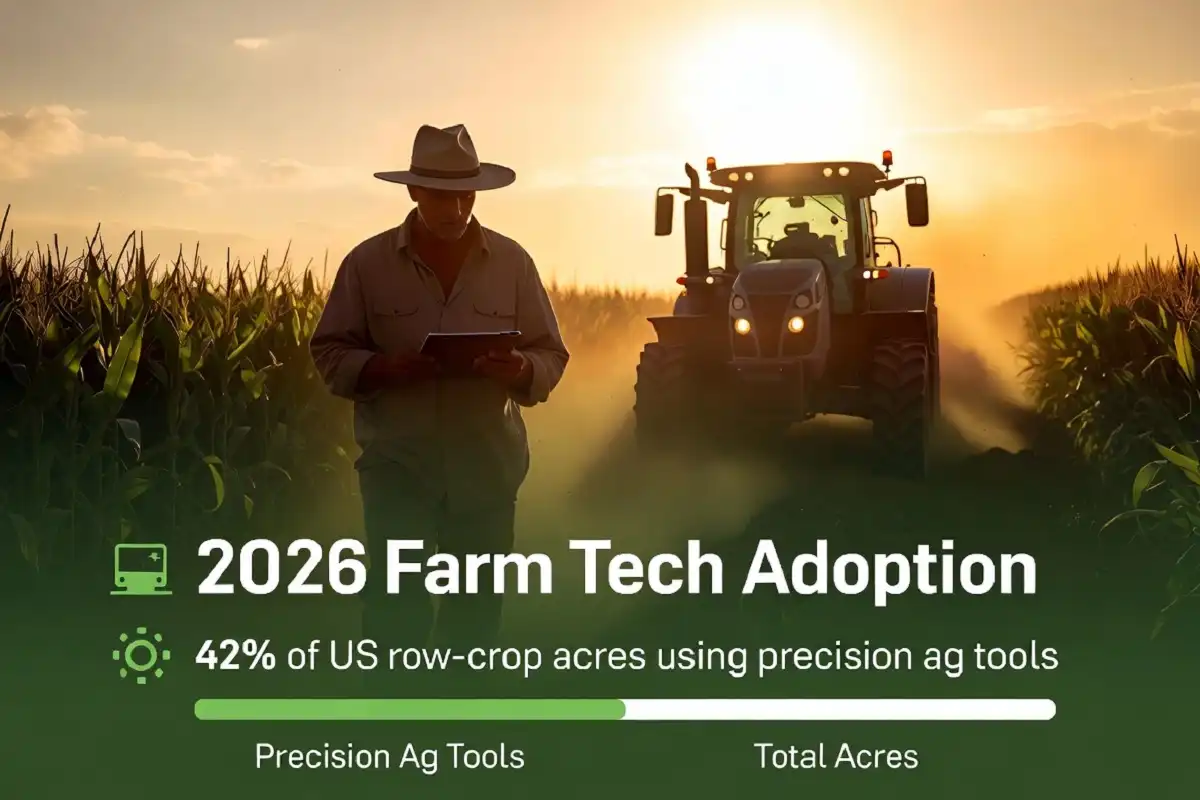
Farmers now use AI-driven mapping to vary seed and fertilizer rates across a single field, based on soil sensor and satellite imagery data. This mirrors a broader pattern I’ve tracked across industries: the same kind of measured, data-first AI adoption reshaping how companies operate is now showing up on the farm, just with soil moisture sensors instead of spreadsheets. Companies like Farmers Business Network aggregate anonymized yield data from member farms to benchmark seed and input performance, giving smaller operations access to insights once limited to large agribusiness.
Regenerative and Climate-Smart Farming Pioneers
Indigo Ag and General Mills’ regenerative agriculture programs now pay farmers directly for verified soil carbon gains and reduced tillage. The USDA’s Natural Resources Conservation Service reported continued growth in cover crop enrollment through its Environmental Quality Incentives Program in 2026, as more operations chase both sustainability credits and drought resilience. A farming pioneer in this category focuses less on yield alone and more on long-term soil health as an economic asset.
How Market Pressure Is Testing Today’s Farming Pioneer
Innovation doesn’t happen in a vacuum. The current farming pioneer operates against a backdrop of tight margins and volatile weather.
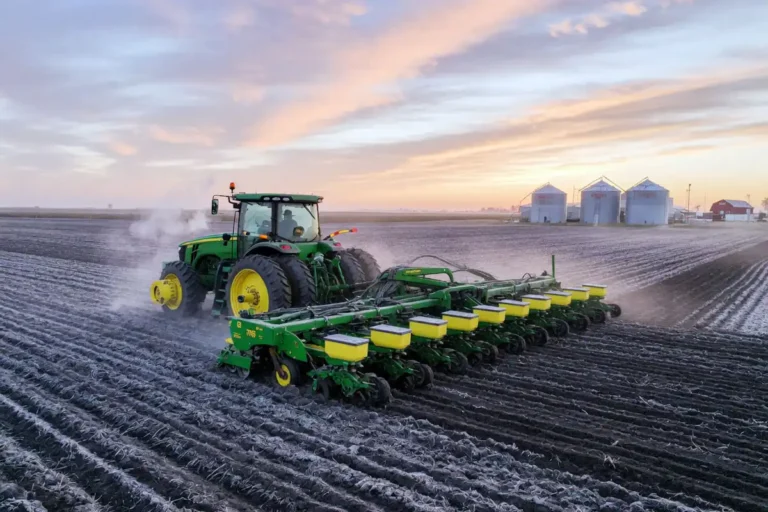
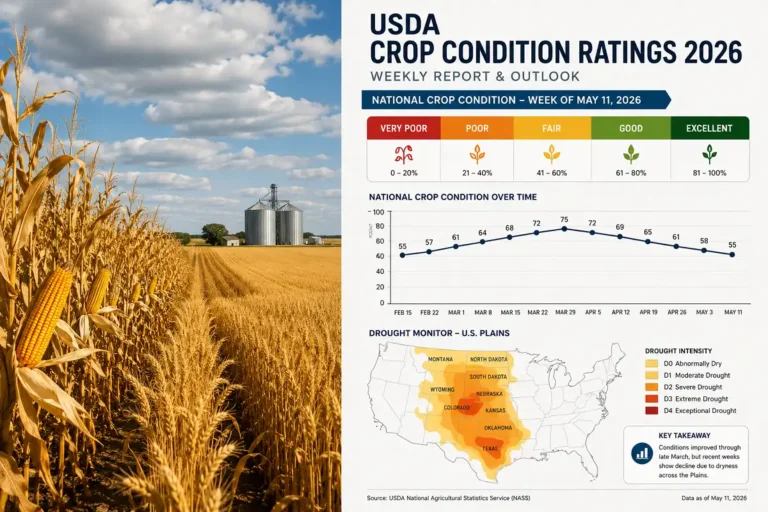
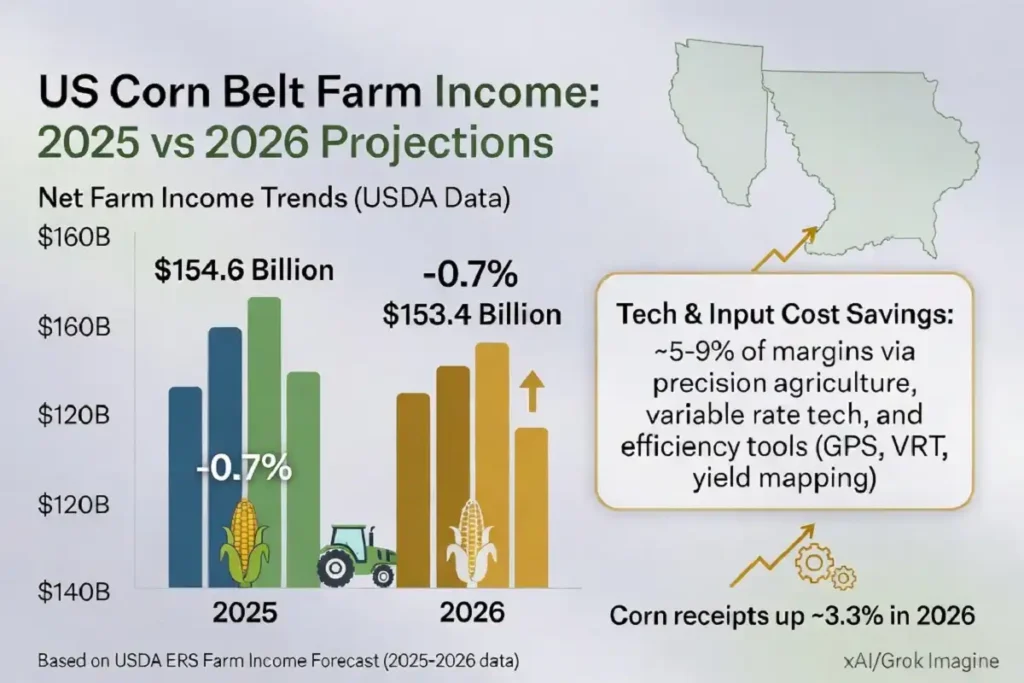
USDA’s first 2026 crop condition ratings came in softer than expected, adding pressure on breeders and equipment makers to prove their tools actually protect yield under stress, not just in ideal seasons. At the same time, farm income projections have lifted as spring planting wrapped up across the Corn Belt, giving operations more room to invest in new seed genetics and equipment upgrades.
Export demand adds another layer. Recent movement tied to China’s agricultural purchasing commitments has lifted grain prices while farmers wait on delivery follow-through, which affects how much capital operations can commit to pioneering new practices this season. A farming pioneer with a strong idea still needs favorable cash flow to scale it past the pilot stage.
How to Follow or Become a Farming Pioneer
If you’re evaluating new methods for your own operation, or just tracking the space, apply these steps.
- Check USDA and land-grant university trial data first. Don’t rely on vendor marketing alone. Extension office trials strip out sales bias.
- Start with a test plot, not a full-field switch. Every successful farming pioneer, from Wallace forward, proved concepts on a limited scale before scaling up.
- Track input cost against yield gain, not yield alone. A method that raises yield 5% but doubles input cost isn’t pioneering. It’s a wash.
- Watch adoption curves, not headlines. Corteva, John Deere, and USDA NASS all publish adoption data. A real shift shows up there within two to three growing seasons.
- Factor in your region’s weather risk. What works for Iowa corn ground won’t necessarily hold for Plains wheat, especially as drought patterns behave less predictably each year.
What to Watch Next
The next farming pioneer breakthrough likely won’t come from a single lab. It will come from the intersection of AI-driven field data, gene-edited seed traits, and autonomous equipment that’s already scaling across the Corn Belt. Watch USDA NASS adoption reports and Corteva’s seed performance data through the rest of 2026. Those two sources will tell you which innovations are earning their reputation and which ones are still just marketing.