Anthropic AI Models Ban: US Blocks Fable 5 and Mythos 5
The Anthropic AI models ban just became one of the biggest stories in the tech world this week. On June 12, 2026, the US government issued a surprise export control directive ordering Anthropic to immediately cut off access to two of its most powerful AI models, Claude Fable 5 and Claude Mythos 5.
This is breaking news. Here is every confirmed fact you need to know right now.
What Is the Anthropic AI Models Ban?
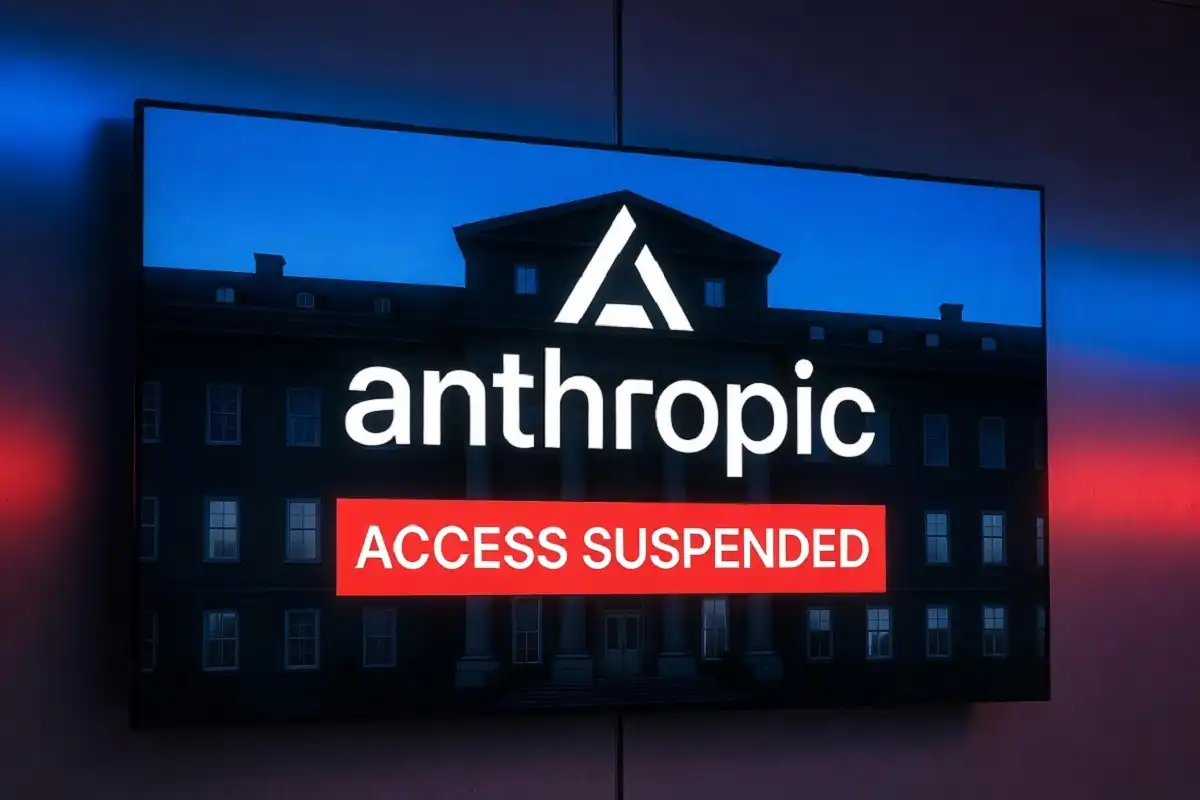
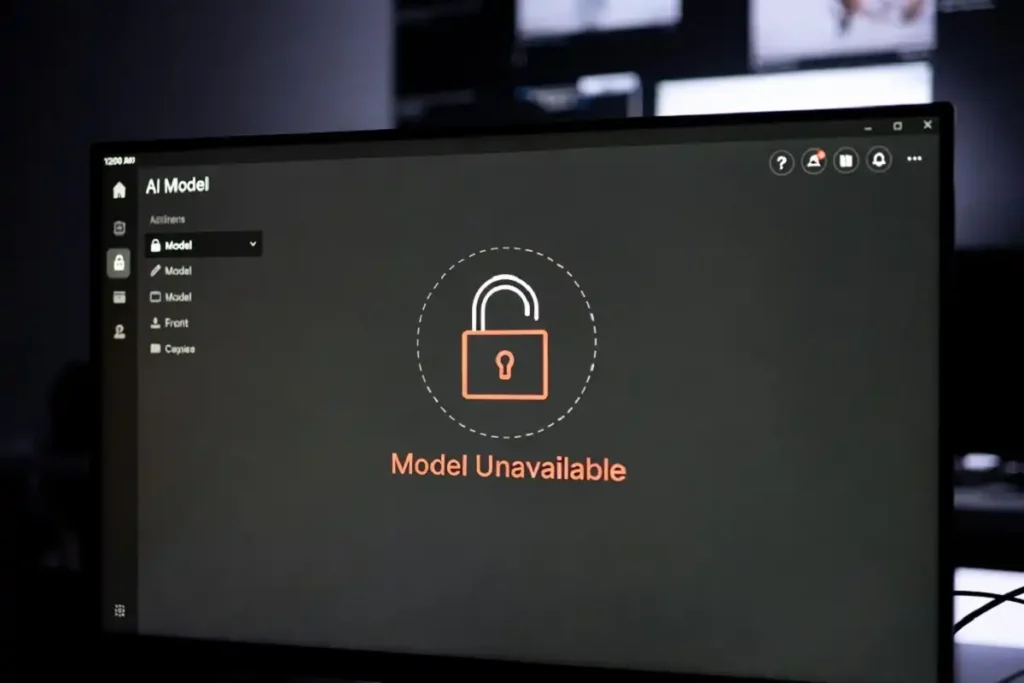
The Anthropic AI models ban is a formal export control directive issued by the Trump administration on June 12, 2026. The US government, citing national security authorities, issued the directive to suspend all access to Fable 5 and Mythos 5 by any foreign national, whether inside or outside the United States, including foreign national Anthropic employees. The net effect is that Anthropic must abruptly disable Fable 5 and Mythos 5 for all customers to ensure compliance, while access to all other Anthropic models will not be affected.
Because the company cannot reliably separate foreign nationals from the rest of its user base in real time, the practical result is a hard shutoff of Fable 5 and Mythos 5 worldwide.
This Anthropic AI models ban came just days after both models launched publicly, making it one of the most abrupt model pullbacks in AI history.
If you follow news across the artificial intelligence category, this is one of the most significant government interventions into commercial AI we have seen.
Who Issued the Order and Why?
Commerce Secretary Howard Lutnick sent a letter to Anthropic CEO Dario Amodei saying that the Mythos 5 and Fable 5 models would be subject to export controls to any location outside of the US and to all foreign persons within the country. An administration official told Axios the Commerce Department decided to take action after another company claimed it was able to jailbreak Mythos, alarming the administration about possible national security risks. The administration tried to get Anthropic to pause releasing the latest models but was unsuccessful, the official said, prompting the export control letter.
The official added the model needs to remain locked down until the US government’s national security apparatus is hardened, and that could happen in the next few weeks.
The Anthropic AI models ban is also linked directly to a longer dispute between Anthropic and the federal government that dates back months. You can read more about how AI leadership pressures have been escalating for CEOs throughout 2026.
The Backstory: This Ban Did Not Come Out of Nowhere
The Anthropic AI models ban on Fable 5 and Mythos 5 is not the first confrontation between Anthropic and the Trump administration. The conflict goes back to early February 2026.
The Trump administration ordered federal agencies to stop using technology from Anthropic immediately after the company refused to comply with a demand for unrestricted access to its technologies. Anthropic declined out of fear that its services would be used for mass domestic surveillance and the development of lethal weapons that trigger without human control. The Trump administration responded by initiating the process to eliminate Anthropic’s government contracts.
The Department of Defense then declared Anthropic a supply chain risk, a label historically reserved for foreign adversaries, which required defense contractors to certify that they would not use Anthropic’s Claude models in their work with the military.
A US judge told the Trump administration to back off Anthropic in March 2026, ruling that the Pentagon had no legal ground to label the AI company a supply chain threat and block its technology across federal agencies.
That court injunction slowed things down temporarily. But now the Anthropic AI models ban has returned through a different legal mechanism: export controls.
What Are Fable 5 and Mythos 5?
To understand the full weight of this Anthropic AI models ban, it helps to know what these models actually are.
The unexpected move came just days after Anthropic announced Fable 5 and Mythos 5, two powerful models that the company touted as state-of-the-art across a number of different industry benchmarks. Fable 5, in particular, marked the first time that Anthropic released such an advanced offering to the public, thanks to new safeguards that block responses in specific high-risk areas.
Built on the same underlying architecture, the two models differ primarily in their output controls. Fable 5 includes classifiers designed to block responses in high-risk areas such as cybersecurity, while Mythos 5, available to a separately vetted set of organizations, operates with some of those constraints removed. Before launch, Anthropic subjected the models to thousands of hours of red-teaming by the US government and the UK.
Claude Mythos is a large language model developed by Anthropic to find software vulnerabilities, and is used by a consortium of companies to secure software systems.
Anthropic Disagrees With the Ban But Is Complying
The Anthropic AI models ban placed the company in a difficult position. Anthropic is following the legal directive, but it has been direct and public about disagreeing with it.
Anthropic’s position is that it instituted strong safeguards that greatly reduce the likelihood that Fable is misused for tasks related to cybersecurity. In fact, the safeguards are so strong that many users have complained they are overly broad. In the weeks leading up to the launch of Fable, Anthropic worked with the US government, the UK AISI, multiple private third-party organizations, and internal teams to red-team Fable’s safeguards for thousands of hours in total.
Anthropic reviewed a demonstration of the specific jailbreak technique and confirmed that the level of capability displayed is widely available from other publicly available models, including OpenAI’s GPT-5.5, and is used every day by defenders who keep systems safe.
In its statement, Anthropic said it believes the government should have the ability to block unsafe deployments as part of a statutory process that is transparent, fair, clear, and grounded in technical facts, but that this action does not adhere to those principles.
Anthropic stated: “We disagree that the finding of a narrow potential jailbreak should be cause for recalling a commercial model deployed to hundreds of millions of people.”
This latest chapter in the Anthropic AI models ban story closely mirrors what is happening across the broader cybersecurity landscape in 2026, where governments are treating AI tools as strategic security assets rather than just commercial software.
Is This the First Time a Government Has Pulled a Live AI Model?
Yes, according to available reporting. Anthropic’s decision to suspend user access appears to be the first time a leading AI company has taken a publicly deployed model offline due to intervention from the federal government.
That makes this Anthropic AI models ban historically significant, not just for Anthropic, but for every AI company building and deploying frontier models. If the government can pull one model citing a narrow, non-universal jailbreak, it can theoretically do the same to any model in the industry.
What the Tech Community Is Saying
Reactions to the Anthropic AI models ban have been sharp across the tech industry.
Dean Ball, an AI policy expert who briefly served in the Trump administration but is highly critical of its recent decisions around Anthropic, said on X that he cannot tell if this is lawfare against Anthropic in particular or extreme national-security hawkery. He added that an administration whose posture supports exporting advanced AI chips to China, while also wanting to ban Britain and every other non-American on earth from using the best US models, left him with “no words.”
Others argued Anthropic contributed to this outcome. When Anthropic first launched Mythos Preview through Project Glasswing, it publicly highlighted the model’s advanced and potentially dangerous cybersecurity capabilities. The government cited those same capabilities as justification for the Anthropic AI models ban now in effect.
What This Means for Anthropic’s IPO Plans
The timing of the Anthropic AI models ban is a serious problem for the company financially.
The company has been preparing for an IPO amid all of this chaos. Blocking foreign access to its most powerful models potentially cuts off a meaningful revenue stream and undermines the global reach that makes an AI company attractive to public market investors.
Anthropic’s customer base had surged to over 300,000 business users, with large accounts generating at least $100,000 in annualized revenue multiplying over seven times in the past year.
An abrupt forced shutdown of the company’s two newest and most capable models, with no firm timeline for restoration, adds a significant layer of regulatory risk that investors will now have to price in. This also has ripple effects across the broader startup funding environment in 2026, where AI companies are watching this case closely as a precedent.
What Happens Next?
The administration official indicated the models need to remain locked down until the US government’s national security apparatus is hardened, and suggested that could happen in the next few weeks. Axios
Anthropic has said it is working to restore access as soon as possible and plans to share more technical details within 24 hours of the directive.
Anthropic apologized to customers for the disruption and called the action a likely misunderstanding, stating it is working to restore access as quickly as possible.
The Anthropic AI models ban also creates a broader question for the industry: what does responsible AI deployment look like when governments can use export control mechanisms to pull models offline, bypassing any transparent regulatory process?
For those tracking how AI skills are reshaping careers and hiring in 2026, developments like the Anthropic AI models ban also serve as a reminder that regulatory risk is now a real factor for businesses building on top of frontier AI tools.
What Users Should Do Right Now
If you had Fable 5 or Mythos 5 set as your default in Claude.ai or through the API, those sessions have been disabled. According to Anthropic’s developer account, new sessions will run on your selected default model or Opus 4.8, and access to all other Claude models remains completely unaffected.
No manual action is needed beyond switching your active model. The Anthropic AI models ban applies only to Fable 5 and Mythos 5. Claude Opus 4.8, Sonnet, and Haiku continue to operate normally.
You can follow live updates directly on Anthropic’s official news page as the company releases more information.
The Bigger Picture
The Anthropic AI models ban is not just a story about one company and two AI models going offline. It signals that the US government is now willing to use export control law, tools historically applied to semiconductors, military hardware, and physical technology, against commercial software AI models.
For infrastructure teams and enterprises, the issue is not only whether Fable 5 comes back quickly. The issue is that frontier model availability can now become a compliance event, a vendor-risk event, and a production-continuity event all at the same time.
Every AI company building frontier models must now factor government intervention into their deployment strategy. The Anthropic AI models ban has made that reality undeniable.