S&P 500 Hits Record to Open June as Nvidia Rally Beats Oil Spike
I watched Wall Street start June with another record. The S&P 500 record close on June 1, 2026 came even as oil climbed and the Iran war stayed unresolved. Here’s what drove it, what Nvidia changed, and what the jobs data this week could do next.
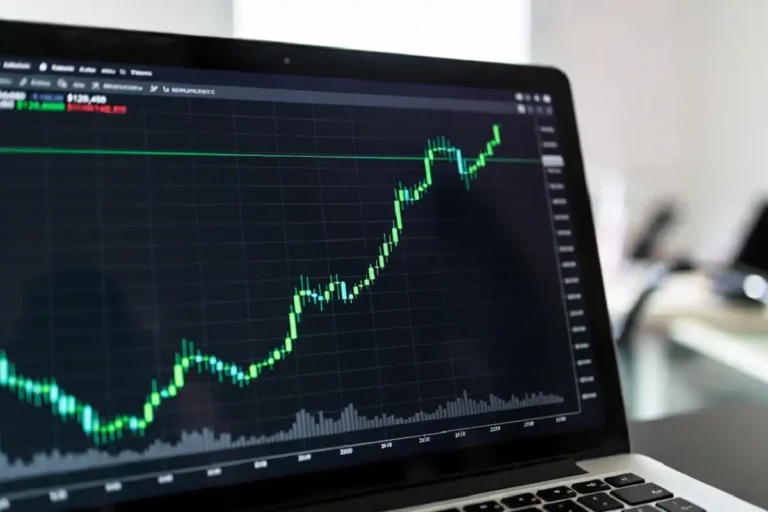
The S&P 500 closed at 7,599.96 on June 1, 2026, up 0.26% and a fresh record. Nvidia surged 6.3% after unveiling its new RTX Spark Superchip, lifting tech and offsetting a rise in oil prices tied to the Iran conflict.
What Happened on June 1
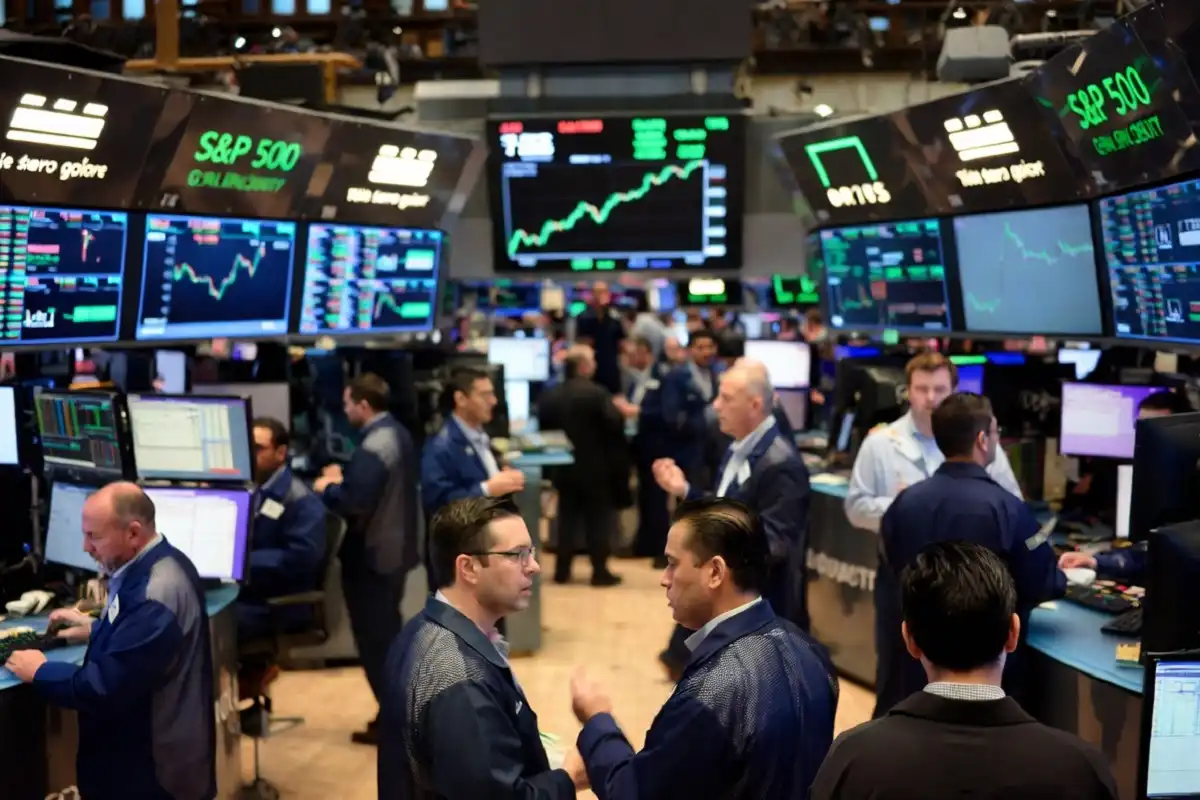
All three major indexes closed at records to kick off the month. The broad market index advanced 0.26% to close at 7,599.96, while the Nasdaq Composite gained 0.42% to close at 27,086.81. The Dow Jones Industrial Average added 46.42 points, or 0.09%, and ended at 51,078.88.
The day did not start strong. Stocks opened cautious as hopes for a quick end to the US-Iran war faded again. The three major US stock indexes rebounded from a cautious start to close at fresh record highs on Monday, as President Trump said talks with Iran were continuing at a rapid pace, while a resurgence in AI-related stocks also boosted investor sentiment.
This was the ninth straight weekly gain heading into the month. The tech bid did the heavy lifting again.
Why Nvidia Drove the Tech Rally
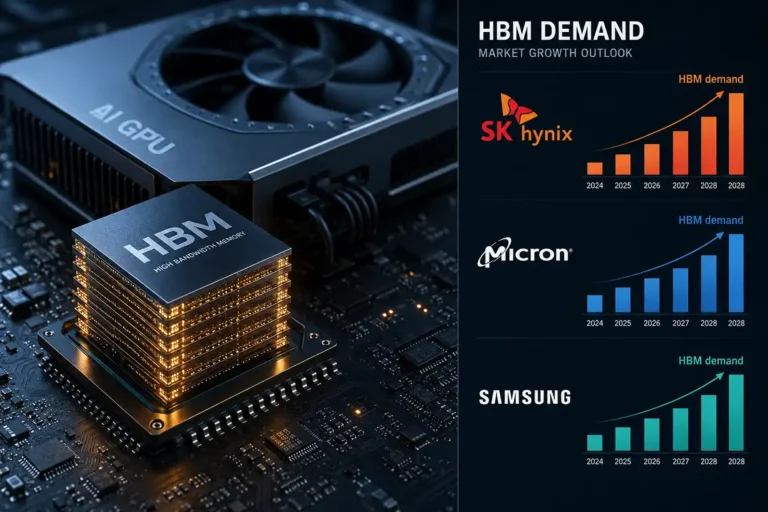
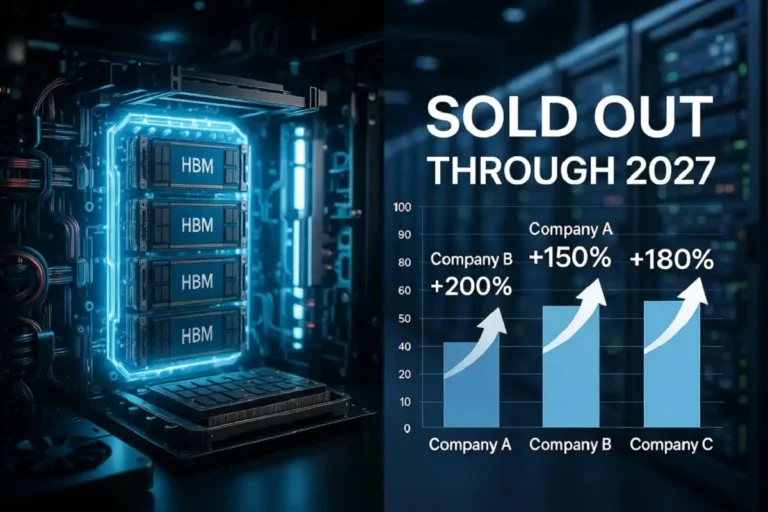
Nvidia’s new chip launch was the catalyst. Technology stocks led the rally, with Nvidia surging 6.3% after unveiling its new RTX Spark Superchip, marking its entry into the PC market. CEO Jensen Huang pitched it as a way to pull decades-old PCs into the AI era.
The ripple effect was wide. Optimism surrounding Nvidia’s latest offering boosted software and hyperscaler stocks, with Microsoft rising 2.3% and Oracle jumping 9.9%. The positive spillover also lifted hardware-related names, as Micron Technology and Dell rose.
Dell stood out coming into the session. Analysts for Morgan Stanley said Monday they’d been wrong about Dell after the company’s stock jumped 33% on Friday, marking its best day ever. The firm upgraded the stock and more than doubled its price target.
Not everyone won. Intel, which for years dominated the PC chip market, fell over 4%. Qualcomm slid too, on fears of tougher PC competition. The same chip that lifted the index punished the incumbents.
Did Oil Prices Threaten the Rally?
Oil rose, but it did not break the market. Crude moved higher on the unresolved Iran conflict, yet energy was the only non-tech S&P 500 sector to finish green. Energy shares also traded higher amid rising oil prices, with Exxon Mobil gaining 2.5% and Chevron advancing 1.9%.
That split tells the story. Tech absorbed the energy shock instead of buckling under it. The pattern has held for weeks, and it tracks what’s been happening across markets since the U.S.-Iran conflict pushed crude sharply higher this spring. For context on the energy backdrop feeding inflation worry, my earlier look at the outdoor and consumer boom rolling through 2026 shows how resilient household spending has stayed despite the squeeze.
The Earnings Engine Underneath
Records are not running on hope alone. Earnings came in strong. Dell’s massive earnings beat last week helped cap a reporting season that featured S&P 500 firms reporting almost 29% annual earnings per share growth. That’s the highest in more than four years and more than double what analysts had expected back on March 31.
Wall Street expects that to continue. Profit growth momentum could last, judging from Wall Street’s estimates for 20% year-over-year earnings this quarter and in the second half of 2026.
The Warning Signs Analysts Are Flagging
Not every read is bullish. A Bank of America strategist drew parallels between May’s record stock performance and the peak of the dot.com bubble in 2000. Although the S&P 500 reached record levels last month, just 21 stocks in the index set new highs. The comparison is uncomfortable. In March 2000, the height of the internet boom, 20 stocks set records, raising concerns about extreme market concentration.
The takeaway analysts are pushing: spread risk beyond the AI names. That means checking exposure and making room for defensive sectors like consumer staples and healthcare. The mega-cap rally has been narrow, and narrow rallies can reverse fast. This concentration risk runs parallel to the broader story I covered on Google and Blackstone’s $5 billion AI infrastructure push, where the same handful of names keep absorbing capital.
What the Jobs Data This Week Could Do
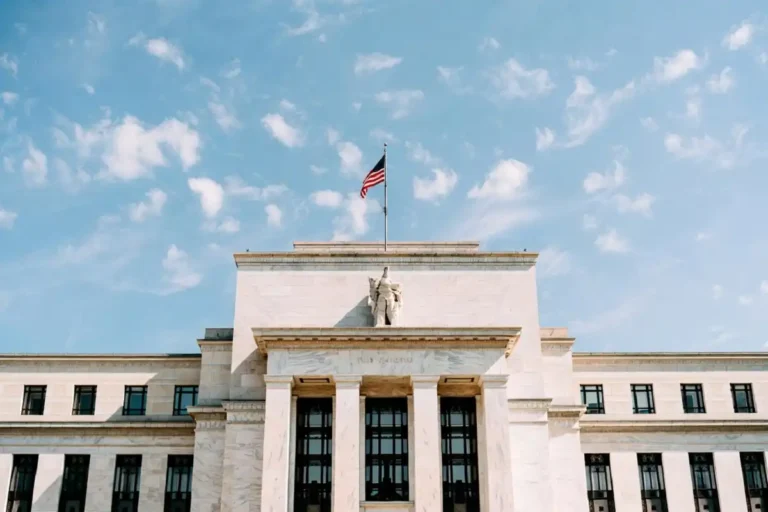
This week’s economic calendar is the next test. Jobs numbers dominate, building to Friday’s May nonfarm payrolls report, with job openings data landing first. That puts the Federal Reserve squarely back in focus.
“The labor market is likely taking a backseat to inflation in terms of Fed policymaking decisions, but we’ll be looking for signs of strength or weakness,” said Collin Martin, head of fixed income research and strategy at the Schwab Center for Financial Research.
The Fed has held steady through the oil shock. Markets price roughly a one-in-three chance of a June cut. A soft jobs print could revive cut bets. A hot one could push them out again. I broke down the central bank’s bind in more detail in my piece on stagflation risk after the May Fed minutes, and the tension hasn’t eased.
For readers tracking how this filters into hiring and pay, the June jobs data and what it signals for career growth is worth a look alongside the market read.
For the official release schedule, the Federal Reserve’s June 2026 calendar lays out the data drops markets will trade on this month.
Bottom Line
June opened on a record, but the foundation is narrow. Nvidia and a few mega-cap names carried the S&P 500 to 7,599.96 while oil and war risk lingered in the background. Strong earnings give the rally real support. Market concentration and the Fed’s inflation watch give it real fragility. Friday’s payrolls report is the next thing I’m watching.