Fed Minutes Reveal Stagflation Worry as Officials Hold Rates Steady in May 2026
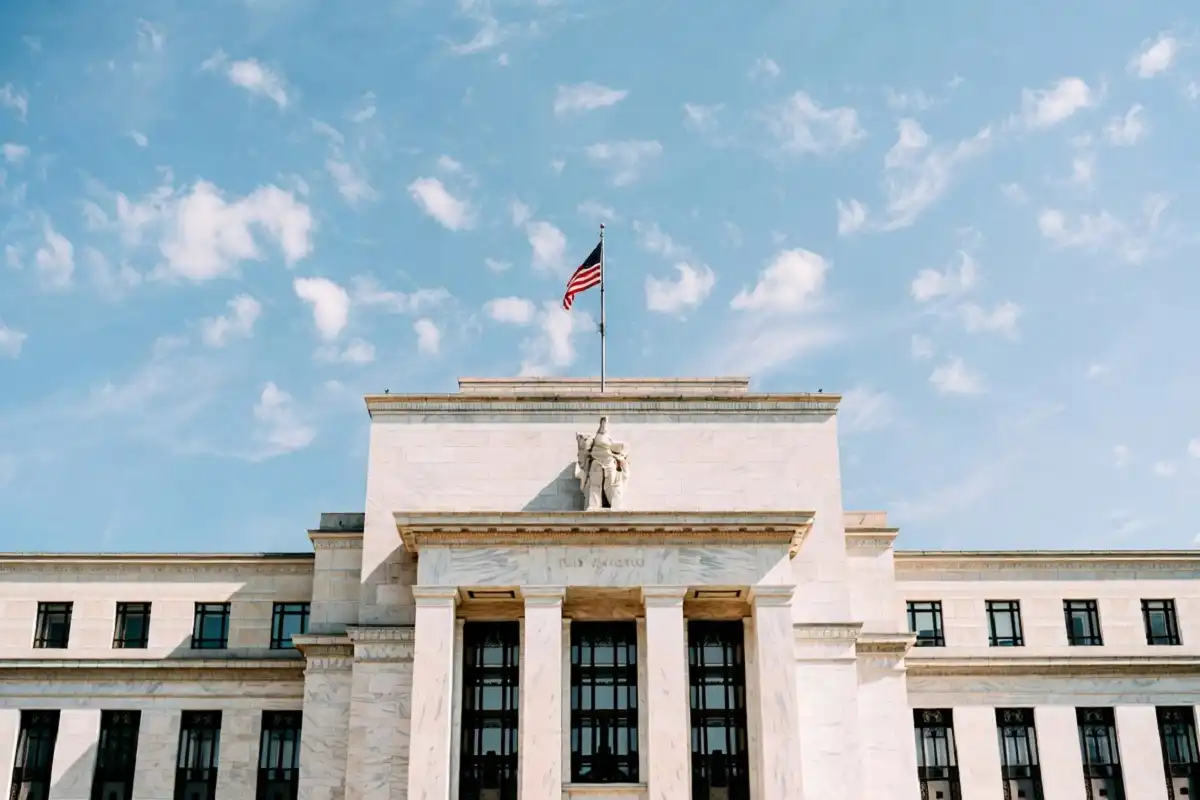
The Federal Reserve released the minutes from its May 6-7 meeting on Wednesday, and the message inside was sharper than many on Wall Street expected. Policymakers said they could face “difficult tradeoffs” if inflation stays sticky while the job market weakens at the same time. That is the textbook setup for stagflation, and the word is now back in serious conversation across trading desks.
I have been tracking the Fed’s tone since the start of the year, and this shift matters. Officials kept the benchmark rate steady at 4.25% to 4.50% for the third meeting in a row. The minutes show they are not in a hurry to cut, even with growth slowing and tariffs still working through the system.
Before I get into the details, here are a few related reads from our finance and business desk that fit this story. You can dig into our full coverage on the business and leadership desk, browse our finance section for market and policy updates, or check the latest in our global news roundup. For workforce angles tied to the rate story, our piece on skills-based hiring trends in 2026 lines up well with what the Fed is seeing in the labor market.
What the May Minutes Actually Said
The committee described the U.S. economy as still growing at a “solid pace,” but flagged rising risks on both sides of its mandate. Inflation risk is going up. Unemployment risk is going up. Both at once.
That is the part that worried traders. The minutes noted that participants saw “uncertainty about the economic outlook had increased further,” with tariffs cited as a key driver. Several members said they may need to make a hard call between fighting inflation and supporting jobs if the two goals start pulling in opposite directions, according to the official FOMC release.
Why Stagflation Is Back in the Conversation
Stagflation is the combination of slow growth, rising prices, and weak hiring. The U.S. last saw it in the late 1970s. Most economists thought it was off the table for this cycle. The May minutes change that view a little.
The numbers behind the worry:
- Headline inflation has stayed above the Fed’s 2% target through April.
- First-quarter GDP came in negative, with tariffs distorting trade flows.
- Hiring has slowed in several services categories.
- Tariff-related cost pressure is showing up in supplier surveys.
Fed staff still expect inflation to ease toward target by 2027, but they bumped up their near-term forecast. They also nudged their unemployment outlook higher.
How Markets Reacted
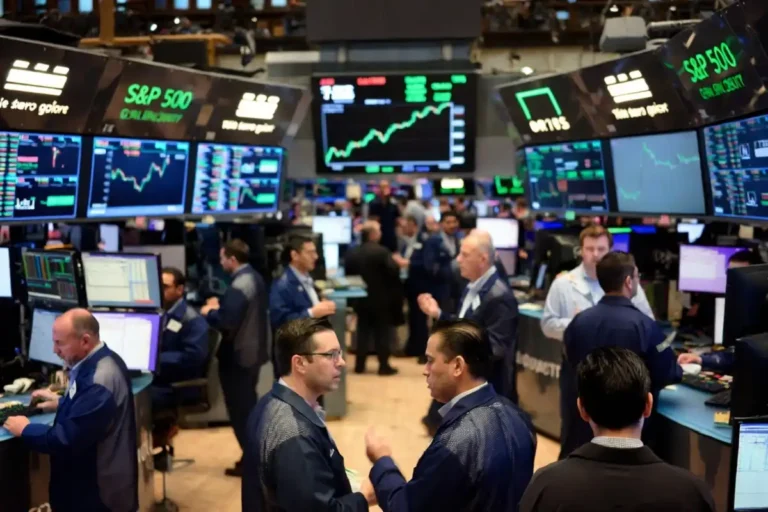
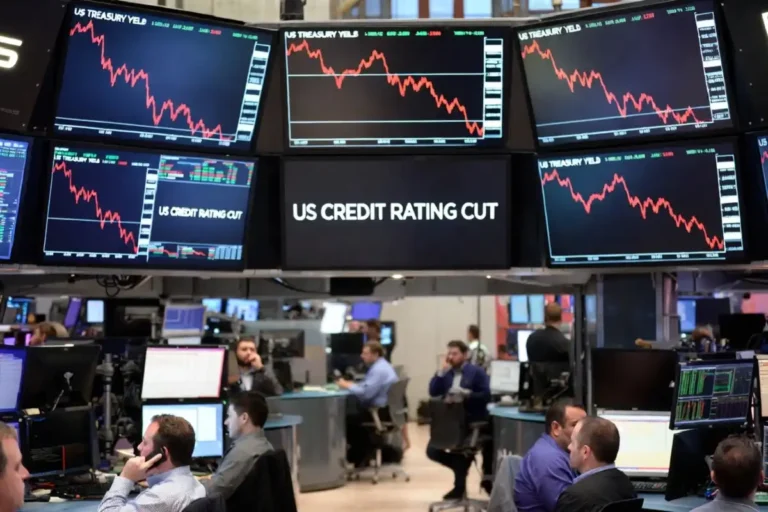
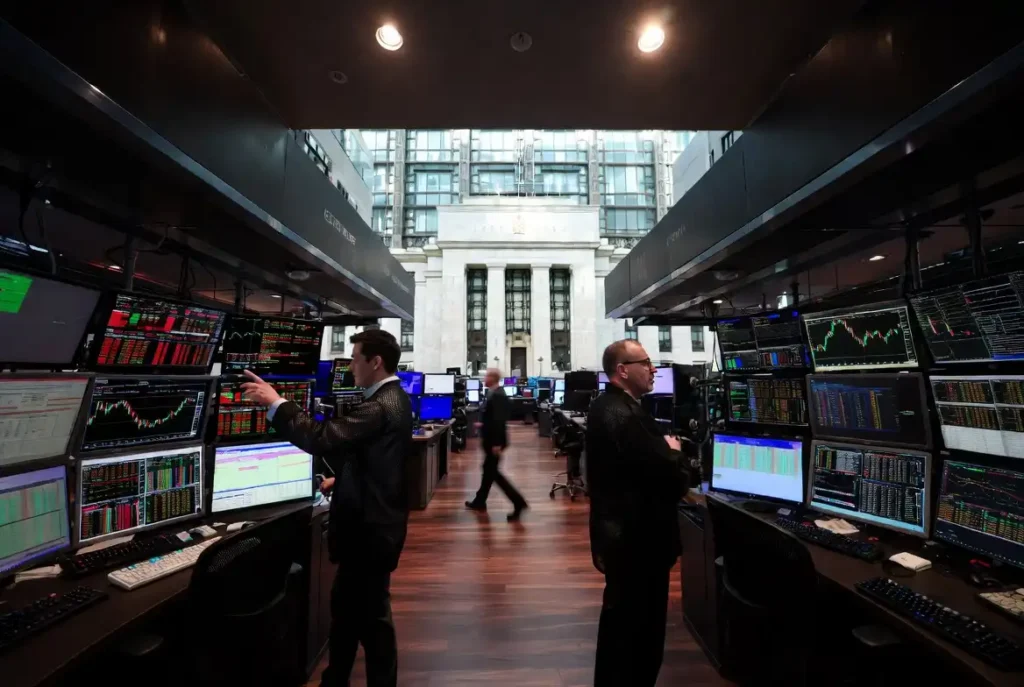
Stocks gave up early gains after the minutes hit at 2 p.m. Eastern. The S&P 500 finished slightly lower. The 10-year Treasury yield ticked higher as traders pushed back the expected timing of the next rate cut.
Futures markets now price in roughly two cuts for the rest of 2026, down from three a month ago, based on CME FedWatch data covered by Reuters. The dollar held steady against major currencies.
What This Means for Borrowers and Savers
If you have a mortgage, car loan, or credit card balance, the message is simple. Rates are not coming down fast. The average 30-year fixed mortgage is still hovering near 6.8%, and that is not likely to break much lower in the next few months.
Savers get the other side of the trade. High-yield savings accounts and money market funds are still paying above 4% at most major banks. That window stays open as long as the Fed holds.
For small business owners, working capital lines stay expensive. I have spoken with a few founders this month who said they are pushing off equipment purchases until the cost of borrowing eases. That is the slowdown the Fed is watching for.

The Tariff Factor
Tariffs are the wild card in every Fed statement this year. The minutes used the word repeatedly. Policymakers said the size and timing of new trade measures will shape both inflation and growth in the second half of 2026.
Chair Jerome Powell has been careful not to comment on trade policy directly. But the minutes show committee members are factoring tariff costs into their inflation models. CNBC reported that several regional Fed presidents have echoed the same concern in public remarks this month.
What Comes Next
The next FOMC meeting wraps on June 18. Most analysts expect another hold. The bigger question is the July session, where the committee will release fresh economic projections.
I will be watching three things between now and then:
- The May jobs report, due June 6.
- The May CPI print, due June 11.
- Any new tariff announcements from the White House.
If hiring softens and inflation cools at the same time, a cut moves back on the table. If only one of those happens, the Fed stays put. If neither happens, the stagflation talk gets louder.
For now, the Fed is in wait-and-see mode. The minutes made that clear. Households and businesses planning around interest rates should plan for steady, not lower, through the summer.