Camping Hits $66 Billion in 2026 as 52 Million Households Fuel an Outdoor Boom
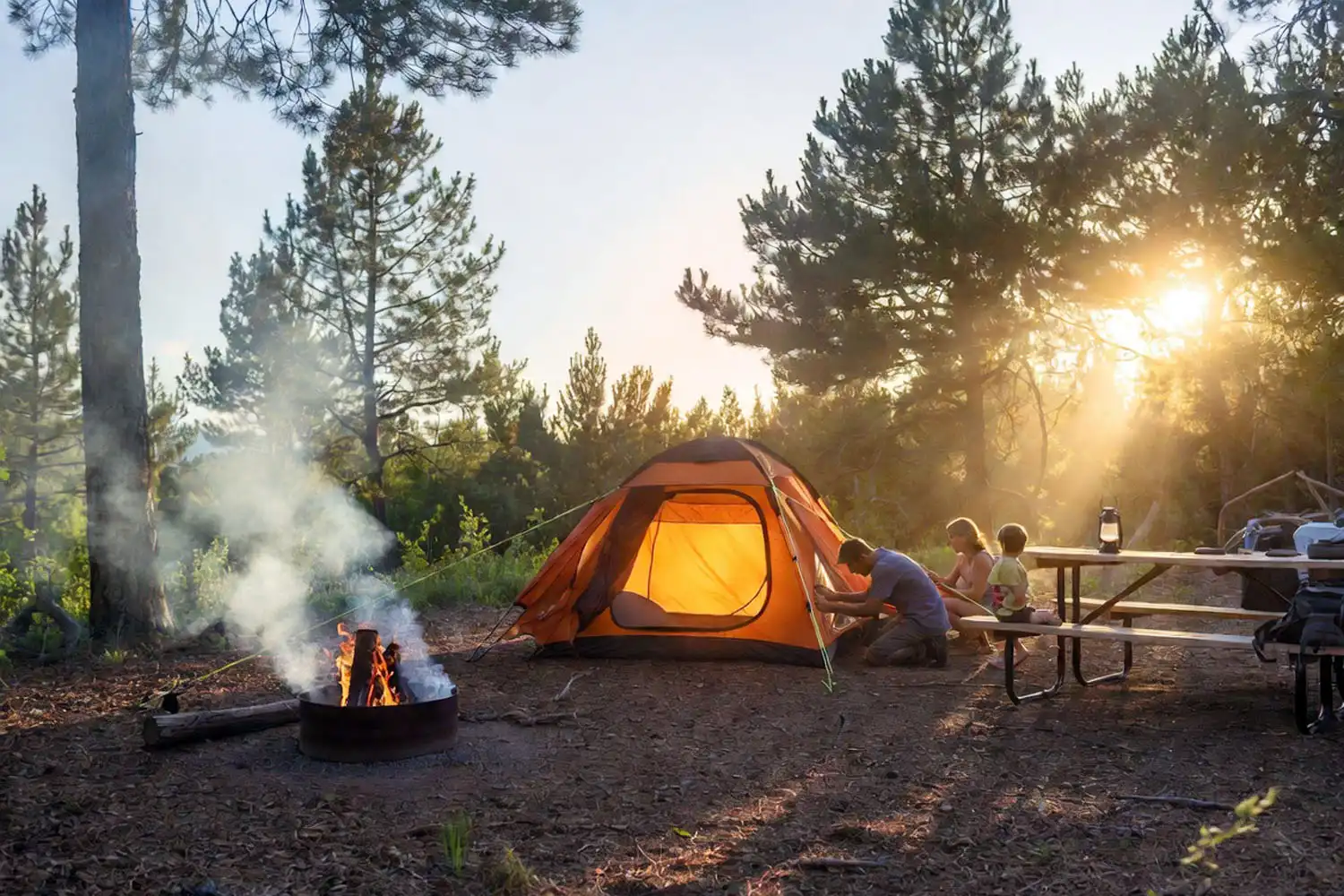
Camping has officially moved from pandemic-era trend to mainstream economic force. New industry data released this spring shows that more than 52 million North American households camped in 2025, generating $66 billion in local community spending, a $5 billion jump from the year before. The findings come from the 12th annual Camping and Outdoor Hospitality Report by Kampgrounds of America (KOA), and they confirm that camping participation has now passed pre-pandemic levels and held steady there.
Even with such strong numbers, the 2026 season is opening under real pressure. Wildfire damage has shut down major recreation areas, popular national park campgrounds are booking out months in advance, and surging RV rental demand is colliding with limited supply. Independent outdoor sites like Outdoor Awaits, which covers camping, hiking, and trip-planning advice for new and seasoned outdoor travelers, have reported a sharp rise in reader questions around reservation timing, wildfire alerts, and first-time RV preparation heading into summer.
A Record Year for Outdoor Spending
The numbers behind the boom are striking. Average daily expenditures per person, excluding accommodations, exceeded $200 in 2025. That money flows into rural and small-town economies where alternative tourism is thin, so the impact reaches gas stations, diners, hardware stores, and outfitters across North America. KOA President and CEO Toby O’Rourke said in the official KOA report announcement that camping is now “a meaningful pillar of North America’s travel economy.”
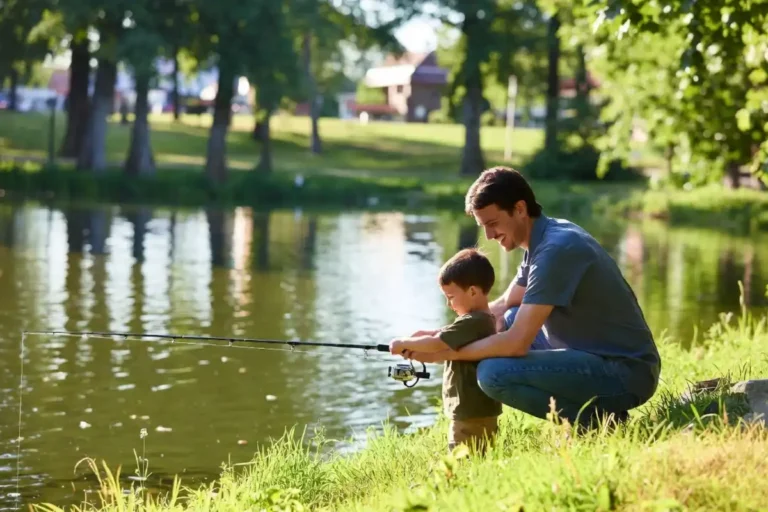
Younger campers and families are driving most of the growth. According to KOA, 35 percent of U.S. adults cite camping as the easiest form of travel with children and 35 percent state camping is the most affordable travel option. Glamping has become a major entry point too. It accounted for 29% of camping trips in 2025, drawing in first-timers who might otherwise skip a traditional tent setup.
The Year of the RV Rental
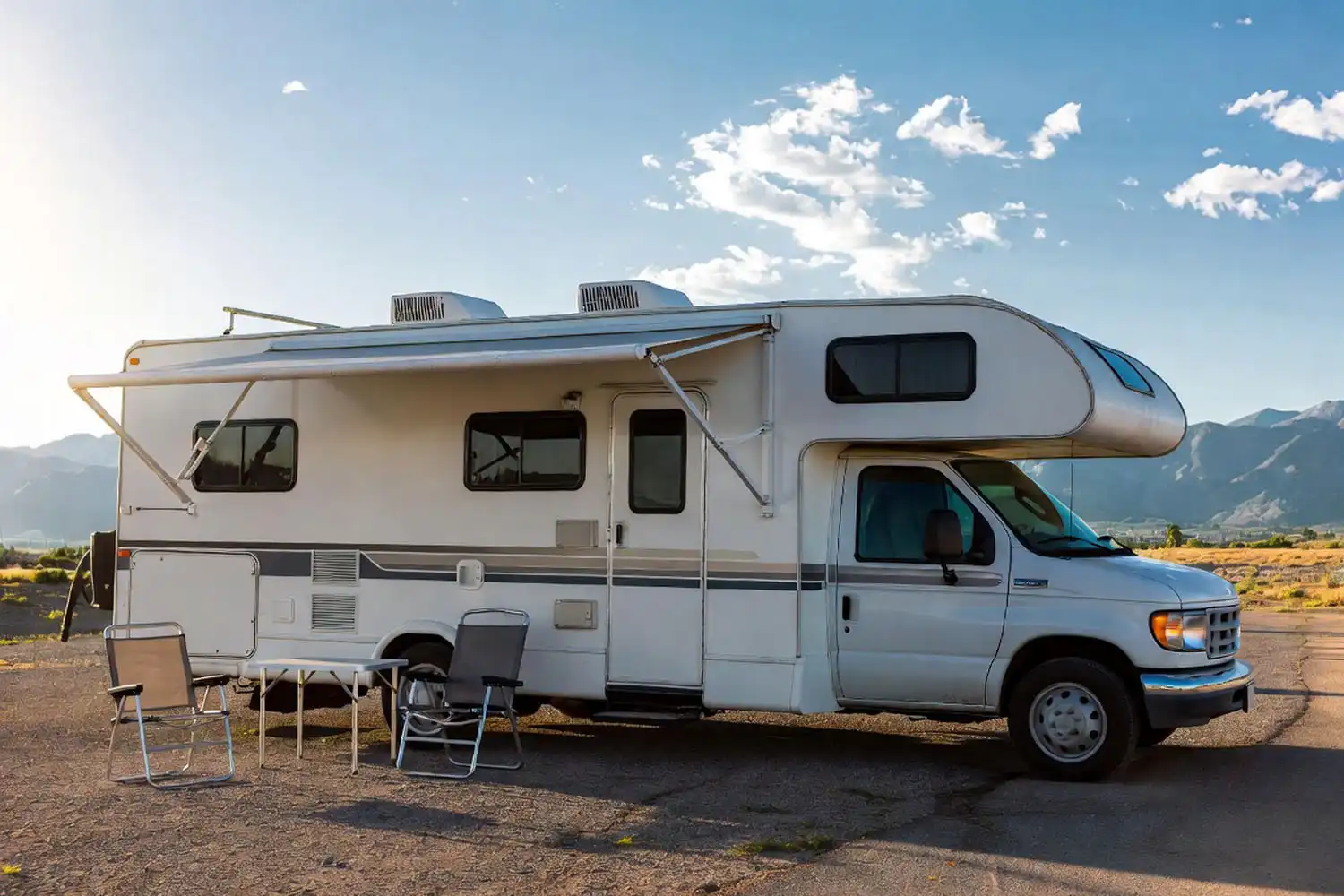
Perhaps the biggest behavioral shift this year is the surge in RV rentals. The KOA report shows that 48% of campers say they are likely to rent an RV in 2026, up from 43% in 2025. That growth is led almost entirely by younger travelers, with 55% of Gen Z saying they are likely to rent an RV this year, viewing it as a flexible, lower-cost way to explore without buying a rig outright. Borrowed or rented rigs are also climbing fast. The number of consumers taking trips in borrowed RVs jumped from 9% in 2024 to 21% in 2025.
Two factors are pushing the rental boom. First, road-trip culture is back. Big cultural anchors like the Route 66 Centennial and America 250 celebrations have stretched 2026 itineraries beyond a single park into multi-week journeys across several states. Second, the cost barrier to ownership remains high. So renters can get the road-trip experience without the storage, insurance, or maintenance commitment.
Still, the rental surge has a learning-curve problem. About one-third of those likely to rent an RV said not knowing how to drive or operate an RV is the biggest barrier. Industry voices are now urging rental platforms to invest in clearer driver training and better onboarding for first-time users.
Wildfires and Closures Are Reshaping the Map
While demand climbs, supply has tightened in several regions because of wildfire damage. The Pine Valley Recreation Area in Utah’s Dixie National Forest will stay closed at least through the 2026 season after the Forsyth Fire burned more than 15,000 acres of private property and Forest Service lands in summer 2025, followed by intense fall flooding. The U.S. Forest Service has said hazard tree removal, reseeding, and dam reconstruction will continue into 2027.
On May 15, Texas Parks & Wildlife also closed a state park to all visitors after a rapidly moving wildfire moved through the surrounding area. Smaller closures continue to ripple across the Pacific Northwest. The Willamette National Forest, for example, has staggered its 2026 campground openings around active fire precaution levels. Texas Parks & Wildlife Department
For campers, the takeaway is simple. Confirm your destination is open before you leave, and identify a backup site in advance. Many federal land managers now publish real-time closure updates through Recreation.gov and through agency newsrooms like the Bureau of Land Management’s 2026 recreation announcement.
Reservation Pressure at Its Peak
Even with the closures, the bigger challenge for most campers in 2026 is simply getting a site. Most national park front-country campgrounds now operate on a strict six-month rolling reservation window through Recreation.gov, opening at 10 a.m. Eastern Time. Popular sites at Yosemite, Zion, and Rocky Mountain National Park can fill within minutes.
Some agencies are responding by tightening cancellation rules to free up inventory. Manitoba, for example, introduced a new $10 reservation cancellation fee for the 2026 season to encourage intentional bookings and reduce no-shows. Several U.S. parks are testing similar friction. Meanwhile, Rocky Mountain National Park is maintaining its Timed Entry Permit System from May 22 through mid-October 2026, so even campers with confirmed sites need to plan their daily entries around posted windows.
For travelers shut out of headline parks, the report points to a clear workaround. Interest in second-tier parks, BLM lands, state parks, and private campgrounds is rising sharply as campers look for quieter alternatives. Places like Black Canyon of the Gunnison, Allegheny National Forest, and Texas Hill Country are seeing fresh attention this year.
The Rise of Slow, Analog Camping
KOA’s data also points to a deeper cultural shift. Seventy-seven percent of campers said “just being in nature is enough,” reflecting a preference for simple, restorative experiences over structured programming. Roughly half said they book trips specifically to improve mental wellbeing or to recharge.
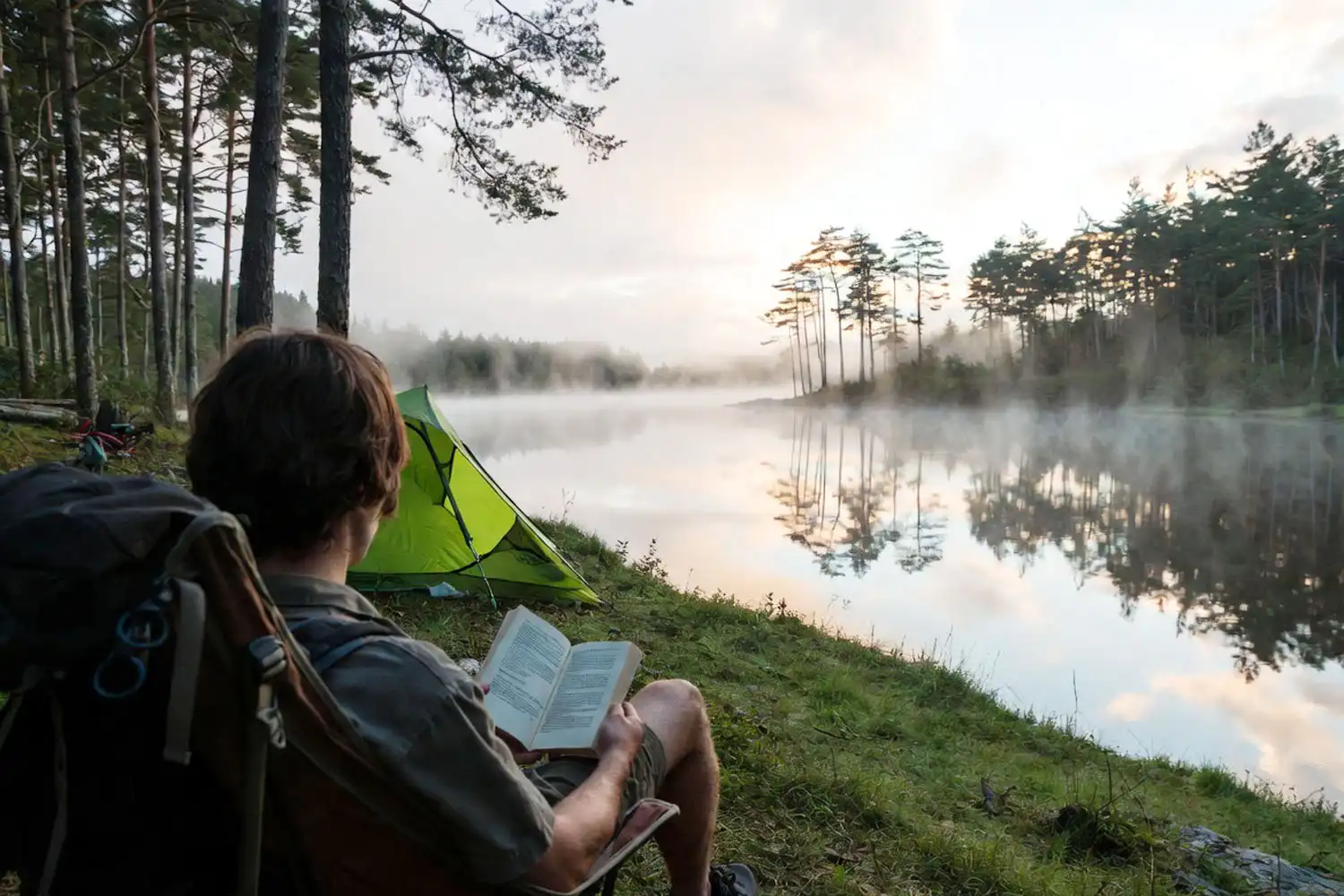
That preference shows up in the trip data. Campers are choosing longer stays at fewer locations, often returning to childhood-favorite spots or heritage sites. Half of campers say they’re planning a trip that recreates a childhood camping experience.
The trend has also pushed Leave No Trace principles further into the mainstream conversation. KOA’s report now includes guidance from the Leave No Trace Center for Outdoor Ethics on responsible recreation, a clear signal that the outdoor industry is leaning harder into conservation messaging as visitor numbers climb.
What to Expect Through the Summer
Looking ahead, summer 2026 is on pace to set new records for campground demand. So early planning matters more than ever. Reservation windows should be marked on the calendar, backup sites researched, and wildfire and weather alerts checked the morning of each travel day. For RV renters, hands-on practice driving and parking before the first trip can save real money and stress.
The clear takeaway from this year’s data is that camping is no longer a budget fallback. It has become a mainstream travel category with real economic weight, growing rental options, and rising consumer expectations. Therefore, whether the goal is a quiet weekend at a state park or a multi-week Route 66 road trip, the campers who plan early and build flexibility into their itineraries will be the ones who actually get to enjoy the open road this summer.