JPMorgan’s Jamie Dimon Warns Leaders on AI Disruption as May 2026 Earnings Shift Strategy
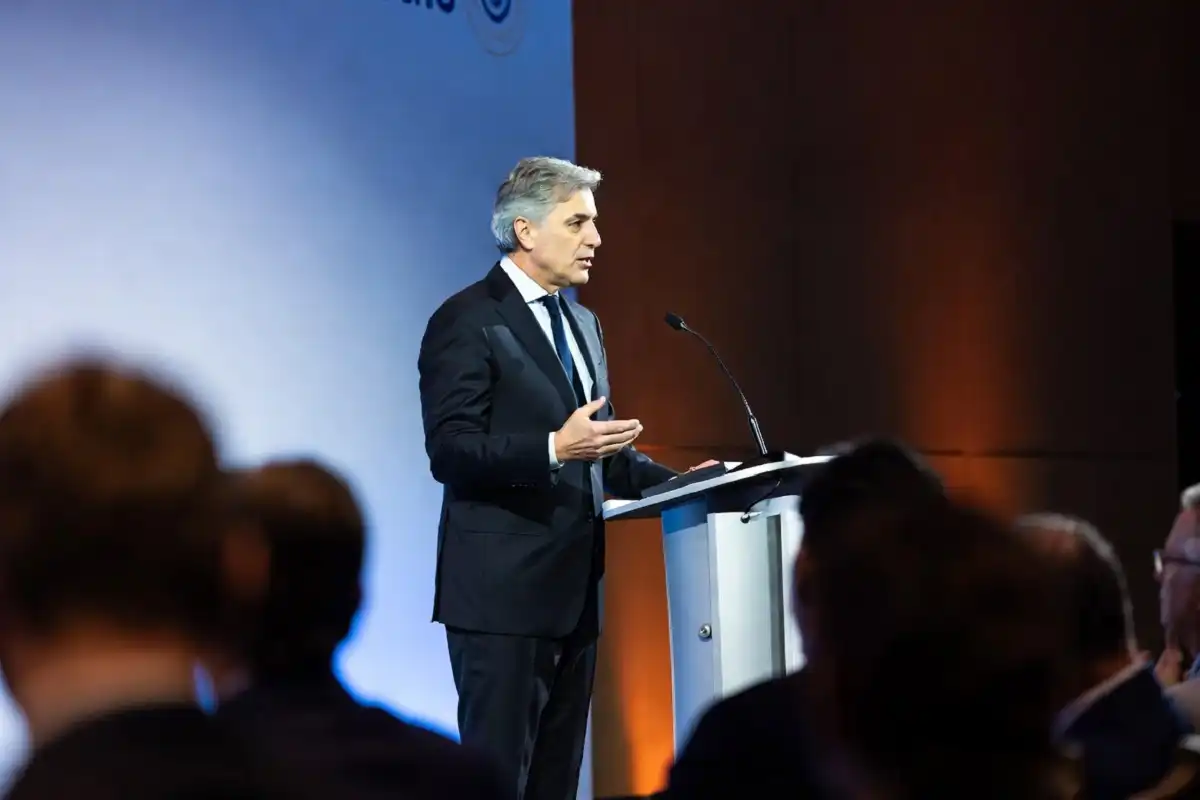
Jamie Dimon stepped to the front of the room this May and gave business leaders a message most of them did not want to hear. The JPMorgan Chase CEO told an audience at the bank’s annual investor day that artificial intelligence will reshape every layer of management inside large companies, and that leaders who delay the shift will fall behind within two years. His comments, made on May 19, 2026, have set off a fresh round of boardroom conversations across the United States.
Dimon said the bank already uses AI across more than 450 internal processes, and that number will keep climbing. He pushed executives to rethink hiring, training, and the pace at which decisions move through their teams. The remarks landed during a week when several Fortune 500 firms reported softer guidance and pointed to AI adoption as the main reason for restructuring middle management.
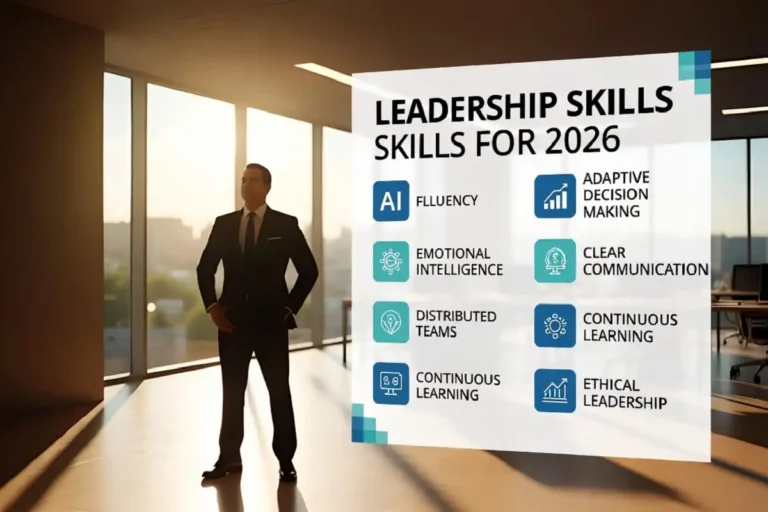
For more context on how leadership trends are evolving this year, you can read our coverage of skills-based hiring reshaping career paths in 2026 and our recent piece on AI skills becoming the fastest route to career growth.
What Dimon Actually Said
Dimon told investors that JPMorgan has cut operational costs by roughly $1.5 billion through AI tools so far, and he expects the number to double by 2027. He framed the change as a leadership test, not a technology one. “The job of a manager has changed,” he said. “You cannot lead a team in 2026 the same way you led one in 2019.”
He pointed to three areas where leaders need to act now. First, decision speed. He said managers should cut approval layers by half. Second, talent. He told the room that hiring should focus on people who can work alongside AI tools, not against them. Third, communication. He said leaders need to explain AI changes to their teams clearly, or risk losing trust.
According to reporting from CNBC, JPMorgan’s stock moved up 2.3 percent in the days following the investor event, suggesting Wall Street agreed with the direction.
Why This Matters for Other CEOs
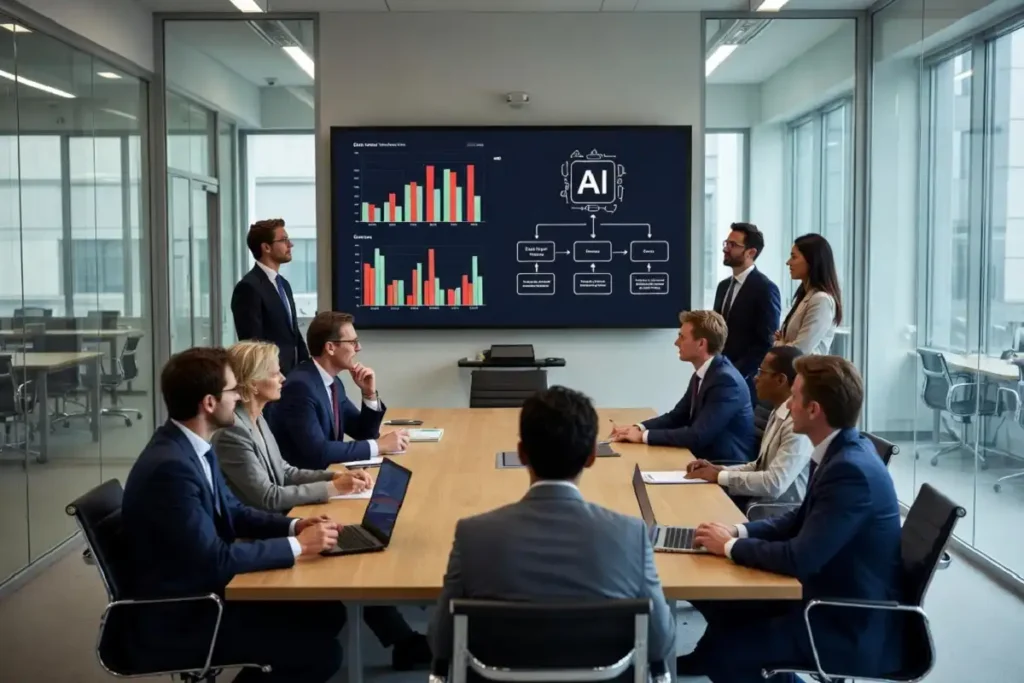
Dimon carries weight in corporate America. When he talks, other CEOs listen. Within 48 hours of his comments, executives at Goldman Sachs, Bank of America, and Citi held internal meetings about their own AI rollout pace. Several outside the financial sector also responded. Walmart’s CEO Doug McMillon mentioned similar themes during a May 21 internal town hall.
The broader message is that leadership style is shifting. Command-and-control models are losing ground. Leaders who can frame change, listen to concerns, and move quickly are gaining ground. A May 2026 Gallup workplace report found that only 23 percent of US employees feel their manager communicates AI changes well, which leaves a wide gap to close.
The Middle Management Question
This is the part that worries a lot of people. Dimon did not say layoffs are coming, but he did say the structure of middle management will look different by 2027. Fewer layers. Fewer status meetings. More direct accountability for outcomes.
Some leaders agree with this view. Others push back. Indra Nooyi, the former PepsiCo CEO, told a Yale business audience this week that cutting middle management too fast can hurt company culture. She said leaders need to slow down and check whether the people they cut were carrying institutional knowledge.
For leaders thinking about how to handle this, our piece on corporate leadership skills that build strong teams covers some practical ground worth reviewing.

What Smart Leaders Are Doing Right Now
From the conversations I’ve had this month, the leaders moving well share a few habits. They run small AI pilots inside one team before scaling. They train managers, not just individual contributors. They ask employees what is slowing them down, then remove those steps. And they keep their messaging steady.
The leaders falling behind tend to do the opposite. They announce big AI initiatives without a clear plan. They cut headcount before workflows are updated. They lose trust, then try to win it back with town halls that feel scripted.
Research from Harvard Business School published in early May 2026 backs this up. Companies that paired AI rollouts with manager training saw productivity gains around 18 percent. Companies that skipped the training saw gains closer to 4 percent.
The Takeaway
Dimon’s comments this May are a signal, not a forecast. Leaders who treat AI as a tool that requires real management effort are pulling ahead. Leaders who treat it as a press release are slipping behind. The next 12 months will sort the two groups clearly.
I’ll keep tracking how this plays out, including what other large employers say at their summer leadership conferences. For now, the message from one of the country’s most-watched CEOs is straightforward. Lead the change, or be moved by it.