DR Congo Ebola Outbreak: Recoveries Rise as WHO Tracks 17th Epidemic
I’ve been following the DR Congo Ebola outbreak closely, and the June 1 update from the World Health Organization brought rare good news. Here’s what the latest figures show, why the Bundibugyo strain worries health officials, and what the global response looks like right now.
As of June 1, 2026, the WHO reported five recoveries from the DR Congo Ebola outbreak, including four discharged nurses. The country logged 210 confirmed cases and 17 confirmed deaths, with nearly 350 suspected cases still under investigation.
What the June 1 WHO Update Said
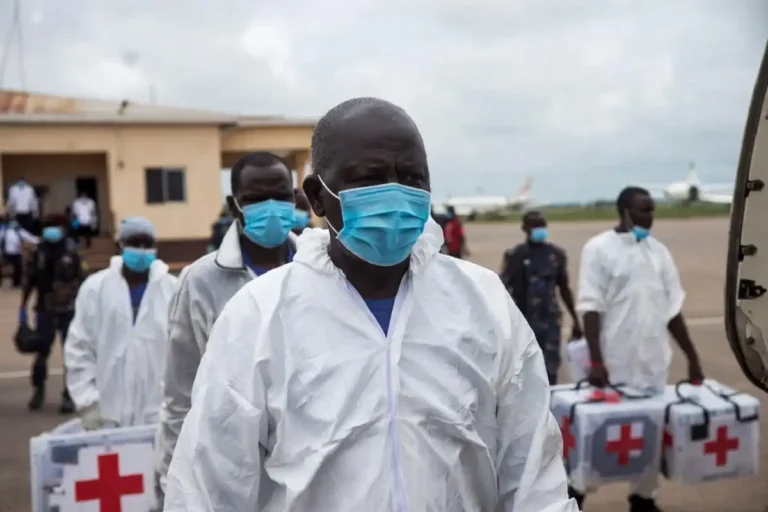
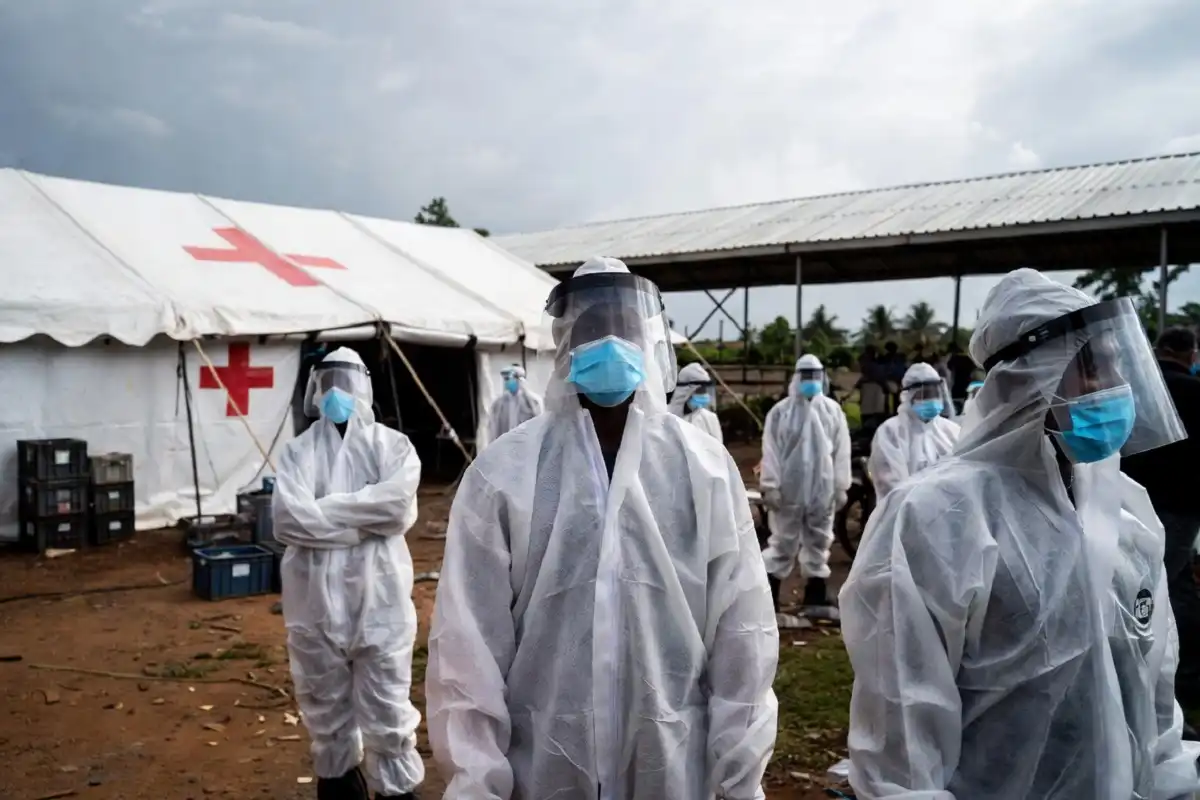
Four nurses who caught Ebola in eastern DR Congo walked out of the hospital after beating the illness. The WHO shared the news in a Sunday update, noting that five people total have now recovered, including a laboratory worker cleared earlier that week. The agency said more recoveries are likely when patients get diagnosed early and reach care fast.
That detail matters. There is no licensed vaccine or approved treatment for the Bundibugyo strain driving this outbreak. Early supportive care is the main tool doctors have, so every early diagnosis counts.
As of that Sunday, the Democratic Republic of the Congo had recorded 210 confirmed cases and 17 confirmed deaths. Nearly 350 suspected cases were still being investigated. Sixteen health workers had contracted the virus during this outbreak, a sign of how hard front-line staff have been hit.
Why the Bundibugyo Strain Raises the Stakes
The Bundibugyo virus is dangerous because there is no licensed vaccine or specific therapy for it, unlike the more familiar Zaire ebolavirus. Past Bundibugyo outbreaks carried case fatality rates between 30% and 50%, according to WHO outbreak reporting.
This is the 17th Ebola outbreak in DR Congo. The Ministry of Public Health declared it on May 15, 2026, after the National Institute of Biomedical Research confirmed the virus in eight of 13 samples from Ituri Province. The first cluster hit the Mongbwalu and Rwampara health zones, areas already strained by insecurity, displacement, and heavy mining traffic.
Two days later, on May 17, the WHO Director-General declared the outbreak a Public Health Emergency of International Concern. That is the agency’s highest alarm level. You can read the WHO’s full reasoning in its public health emergency declaration, which also flagged early cases in neighboring Uganda.
How Far Has It Spread?
The outbreak has crossed borders and provinces. By the start of June, cases had pushed beyond Ituri into North Kivu and South Kivu, and Uganda had confirmed its own infections after a traveler from DR Congo died in Kampala.
The numbers moved fast through late May and early June. Here’s how the confirmed case count climbed:
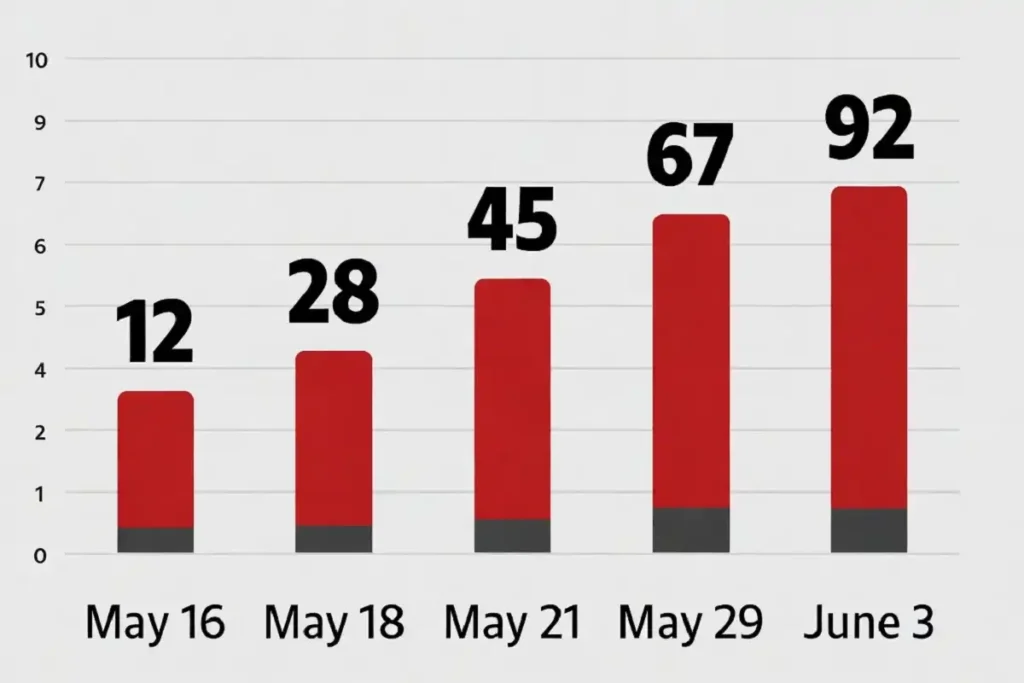
By June 4, the DR Congo Ministry of Health reported 381 confirmed cases, 64 confirmed deaths, and 233 people hospitalized in isolation. Ituri remained the epicenter with 359 confirmed cases across 17 health zones. North Kivu logged 19 cases, and South Kivu reported three.
Uganda’s count reached 19 confirmed cases and two deaths by June 5. The European Centre for Disease Prevention and Control tracks the cross-border picture in its Ebola outbreak monitoring page, which European labs use for preparedness.
What the Global Response Looks Like
The WHO is scaling up support across both countries. That means surveillance, contact tracing, clinical management, supply delivery, and cross-border coordination. The agency keeps stressing one point: community engagement decides whether an outbreak like this gets contained.
The setting makes that work harder. The Ituri and Kivu regions sit inside an active humanitarian crisis, with armed conflict, displaced populations, and dense cross-border trade. One confirmed case turned up in Goma, a North Kivu city under armed group control, after an infected woman traveled there from Ituri.
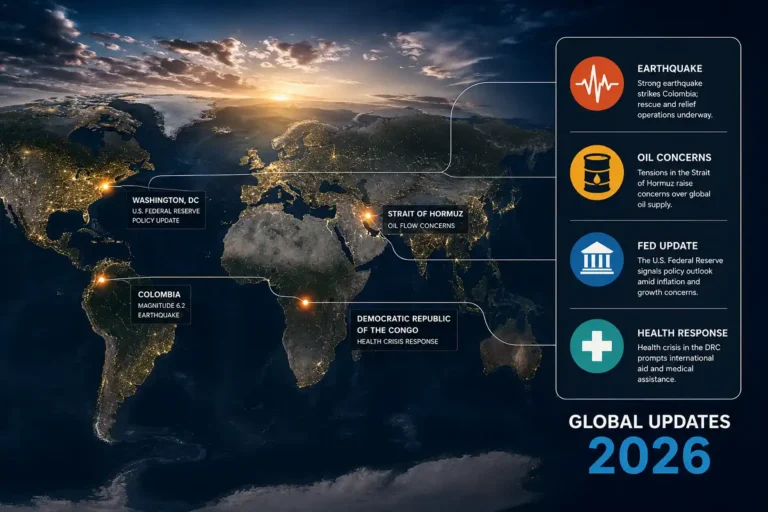
The United States is watching too. The CDC issued a Health Advisory to clinicians and labs, though it rated the risk of spread to the US as low. Anyone tracking other fast-moving global updates has seen this outbreak climb the priority list alongside the broader regional instability covered in our world news roundup for late May.
The Takeaway
The June 1 recoveries are a real bright spot, but the trend lines still point up. Confirmed cases nearly doubled in the days after that update, and the lack of a licensed vaccine keeps the margin for error thin. The story here is speed: how fast cases get diagnosed, isolated, and treated. For now, the outbreak remains an international emergency, and the next few weeks of data will show whether the response is gaining ground. We covered the earlier surge in our piece on how the DR Congo Ebola outbreak doubled its case count, and I’ll keep tracking the numbers as they come in.