Moody’s Downgrade Shakes Treasury Market as Fed Holds Rates in May 2026
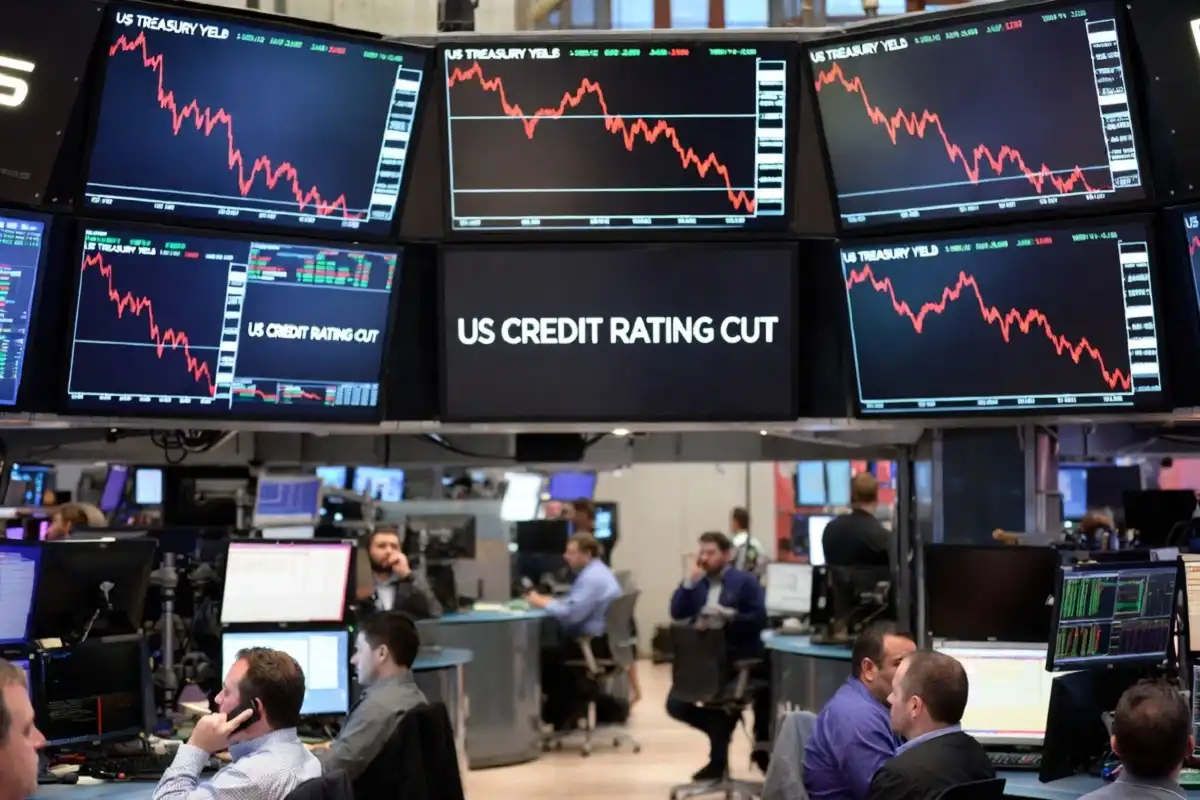
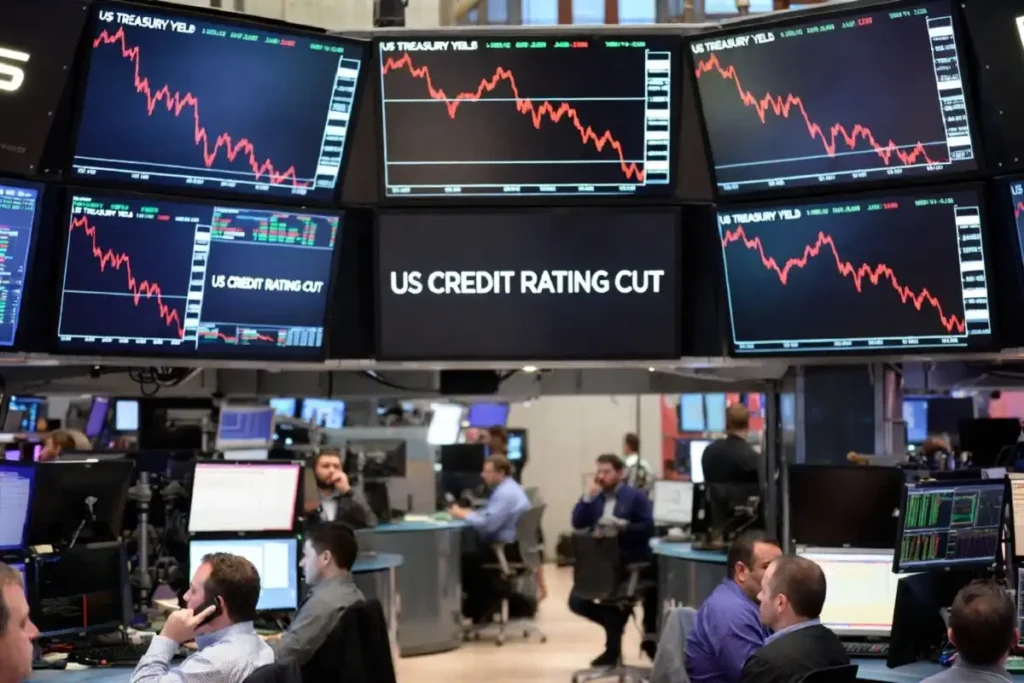
The US bond market is having its loudest month of the year. After Moody’s stripped the United States of its last top-tier sovereign credit rating, 30-year Treasury yields pushed past 5% in mid-May and stayed there for days. Stocks wobbled, the dollar slipped, and mortgage rates climbed back near 7%. For anyone with a 401(k), a home loan application, or a small business line of credit, this is the story that matters this month.
Before we get into the numbers, a few related reads from our desk that add context to what you’ll see below: our breakdown of how skills-based hiring is changing pay ladders this year, a look at practical career growth moves inside finance teams, and a popular piece on why AI fluency is now the fastest paid skill on the market.
What Moody’s Actually Did
Moody’s cut the US sovereign rating from Aaa to Aa1, citing a decade of rising deficits and interest costs that lawmakers have not addressed. It was the last of the three major agencies still holding America at the top tier. S&P moved off AAA back in 2011, and Fitch followed in 2023. So the rating itself is no longer the shock. The timing is.
The downgrade landed just as Congress was advancing a tax package that scoring groups warn could add trillions to the deficit over the next ten years, according to Reuters market coverage. That combination, a downgrade plus fresh borrowing, is what pushed the long end of the curve.
Treasury Yields, Mortgages, and Your Wallet
Here is where it stops being abstract.
The 30-year Treasury yield touched 5.04% during the week of May 19, its highest level since late 2023. The 10-year sat near 4.55%. Yields rise when bond prices fall, which is exactly what happens when investors demand more compensation to hold US debt.
That flows straight into mortgage rates. Freddie Mac’s average 30-year fixed rate moved back to 6.92% in the third week of May, up from 6.76% a month earlier. For a $400,000 loan, that swing adds roughly $42 to a monthly payment. Credit card APRs, which already sit above 21% on average, are not coming down either.
Small business owners I spoke with through industry contacts say the bigger pain is on commercial loans. SBA-linked variable rates are repricing higher this quarter, and several community bankers told me they are quietly tightening underwriting standards on deals under $1 million.
The Fed Is Not Riding to the Rescue
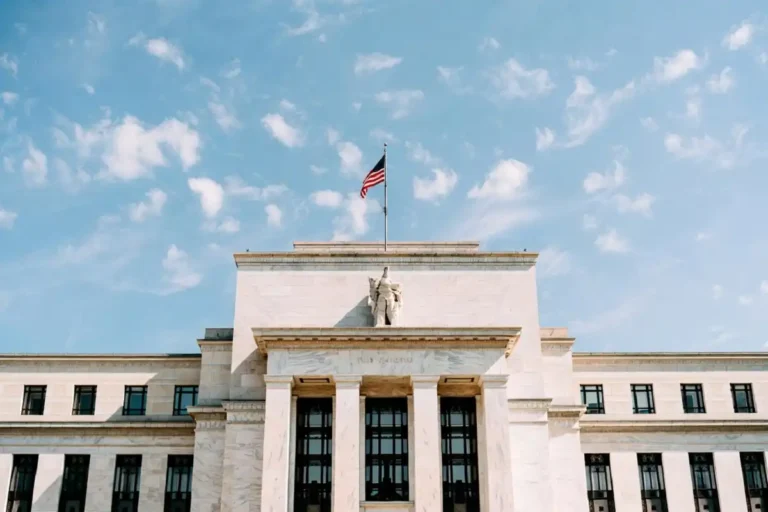
Federal Reserve Chair Jerome Powell made it clear at his May 19 remarks that the central bank is not in a hurry to cut rates. The Fed has held its policy range at 4.25% to 4.50% since December. Powell pointed to sticky services inflation, a labor market that is cooling but not breaking, and uncertainty around tariff policy as reasons to wait.
Futures traders pulled back their bets accordingly. As of May 21, fed funds futures price in just one quarter-point cut for all of 2026, with the first move now expected in September at the earliest. A month ago, markets were pricing in two cuts.
The Bureau of Labor Statistics reported April CPI at 2.3% year over year, the lowest reading in nearly four years, but core inflation held at 2.8%. Powell’s argument is that the surface number looks fine while the underlying number still does not.
Stocks Held Up Better Than Expected
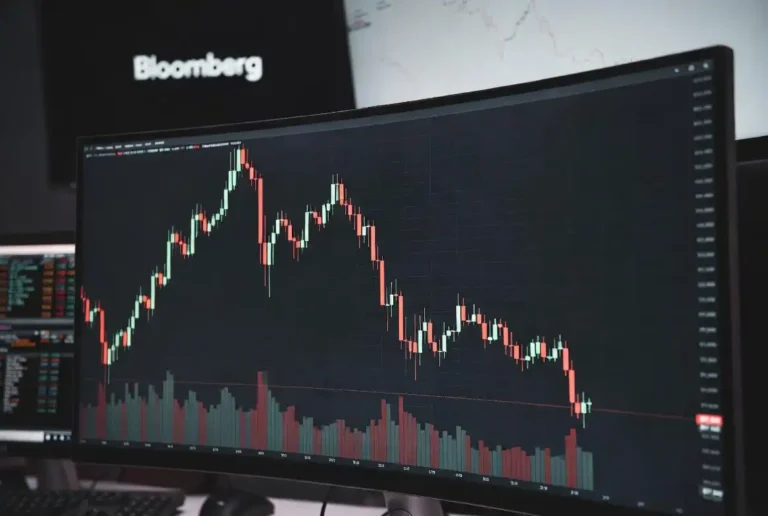
The equity market reaction was sharper at the open than at the close. The S&P 500 dipped about 1.1% the Monday after the downgrade, then clawed most of it back by Wednesday. The index is still positive year to date, mostly carried by the same handful of large-cap tech names that led 2025.
Defensive sectors, utilities, healthcare, and consumer staples outperformed during the worst of the bond selloff. Regional banks lagged, which fits the pattern: when long yields rise faster than short yields, bank net interest margins get squeezed on the asset side.
Gold pushed to a fresh record above $3,400 an ounce on May 20. Bitcoin traded near $107,000. Both moves point to investors looking for places to sit that are not US government paper.

What Wall Street Strategists Are Saying
The consensus across major desks is that the downgrade is a symptom, not the disease. Goldman Sachs published a note arguing the bond move would have happened anyway, with or without Moody’s, because of the supply picture. JPMorgan’s view was similar: more issuance, fewer foreign buyers, higher yields.
Foreign demand is the part worth watching. Japan, the largest foreign holder of US Treasuries, has been a net seller for three straight months. China’s holdings are at their lowest level since 2009. CNBC reported that recent 20-year Treasury auctions have seen weaker indirect bidder participation, which is the proxy for foreign central bank demand.
What Households Should Actually Do
I am not in the business of giving personal financial advice, and you should talk to a licensed advisor before making moves. But a few patterns are worth flagging.
Refinancing the family home is off the table for most people right now. Locked-in 3% mortgages from 2020 and 2021 are the reason the housing market is frozen, and nothing in the current rate picture changes that math.
High-yield savings accounts are still paying 4% to 4.5% at the major online banks. Treasury bills in the three to six month range yield similar amounts and are exempt from state income tax. That gap to traditional bank savings accounts, which still average under 1%, has rarely been wider.
For investors looking at long bonds, the calculation is harder. Yields above 5% are attractive on paper, but if deficits keep rising, those yields could keep climbing too. That is the call every portfolio manager is making right now.
What Comes Next
The next data point that matters is the May jobs report on June 6. After that, the Fed’s June 18 meeting. Powell is not expected to cut, but the press conference will tell us whether the central bank is shifting its view on how long inflation will stay above target.
Congress is the other variable. If the tax package moves forward without offsetting spending cuts, bond markets will keep punishing the long end of the curve. If lawmakers blink and add deficit-reduction language, yields could ease. Neither outcome looks likely before mid-summer.
For now, May 2026 will be remembered as the month the bond vigilantes came back. Whether that becomes a footnote or the start of something bigger depends on what Washington does next.