
US Productivity Report Lands June 4 as Engagement Hits a Five-Year Low
The June productivity numbers arrive Thursday, and the timing stings. Workplace productivity is back in focus this week as the Bureau of Labor Statistics readies its revised Q1 2026 figures, while fresh Gallup data shows engagement at its weakest since 2020. Here’s what the data says and why it matters.
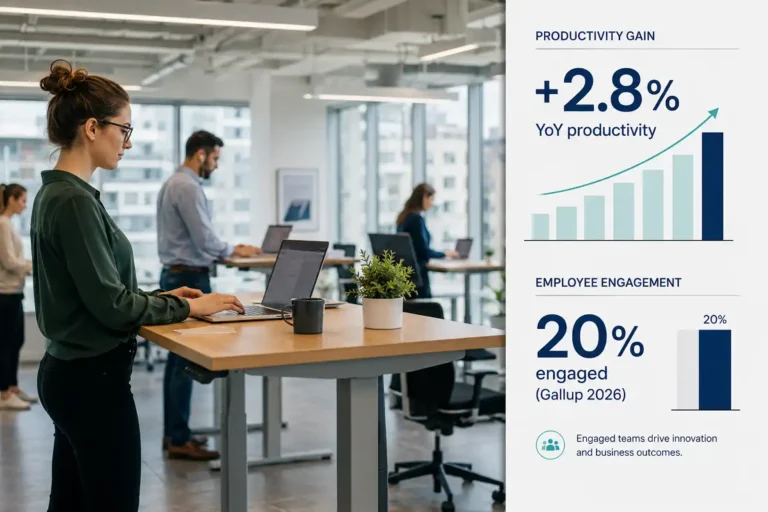
The BLS releases its revised Q1 2026 productivity report on June 4, 2026. The preliminary figure showed nonfarm business productivity up 0.8 percent. Gallup separately reports global engagement fell to 20 percent in 2025, costing $10 trillion.
What the June 4 BLS Report Will Show
The Bureau of Labor Statistics publishes its revised first-quarter 2026 productivity and costs data on Thursday, June 4, at 8:30 a.m. Eastern. Productivity increased 0.8 percent in the nonfarm business sector in the first quarter of 2026, and unit labor costs increased 2.3 percent in the preliminary read.
That 0.8 percent is soft. It follows a stronger close to 2025. The revision could nudge the number either way, but the broad picture holds. Output growth has slowed, and labor costs keep climbing.
Unit labor costs are the line to watch. They measure what employers pay to produce each unit of output. When they rise faster than productivity, margins shrink and price pressure builds. The Federal Reserve reads this number closely when weighing rate decisions.
Why This Report Carries Extra Weight in 2026
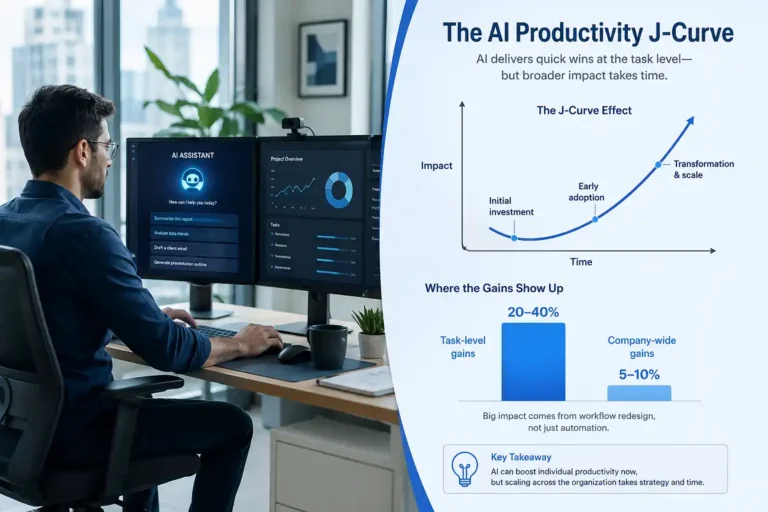
This release matters because it tests a year of AI promises against hard output data. Companies spent heavily on AI tools through 2025 and into 2026. The productivity payoff was supposed to follow.
So far the numbers are modest. Total factor productivity increased 0.8 percent in the private nonfarm business sector in 2025. Output grew 2.6 percent while combined inputs rose 1.7 percent. That is positive growth, but it is not the surge many executives forecast.
The gap between AI spending and measured output is now a live question for boards. Some of that ties directly to how workers feel about their jobs, which is where the second dataset comes in. The pressure on leadership here mirrors what I covered in the recent shift toward AI leadership skills topping hiring priorities.
The Engagement Problem Behind the Numbers
Engagement is the hidden driver of output, and it just hit a wall. Gallup’s 2026 report finds that only 20 percent of employees worldwide were engaged in 2025, its lowest level since 2020, costing the world economy an estimated $10 trillion in lost productivity.
Managers are part of the slide. Since 2022, Gallup finds manager engagement has dropped by nine points. When managers check out, teams follow. That feeds straight into the soft productivity readings the BLS is about to confirm.
The cost is concrete. Actively disengaged employees cost U.S. businesses alone up to $605 billion per year. No software license closes that gap on its own.
Does AI Actually Boost Productivity?
The evidence so far is mixed, not the clean win that was promised. AI promised supreme productivity, but it’s actually straining workloads for employees. Time spent emailing has doubled, and focused work sessions fell by 9 percent in one widely cited study.
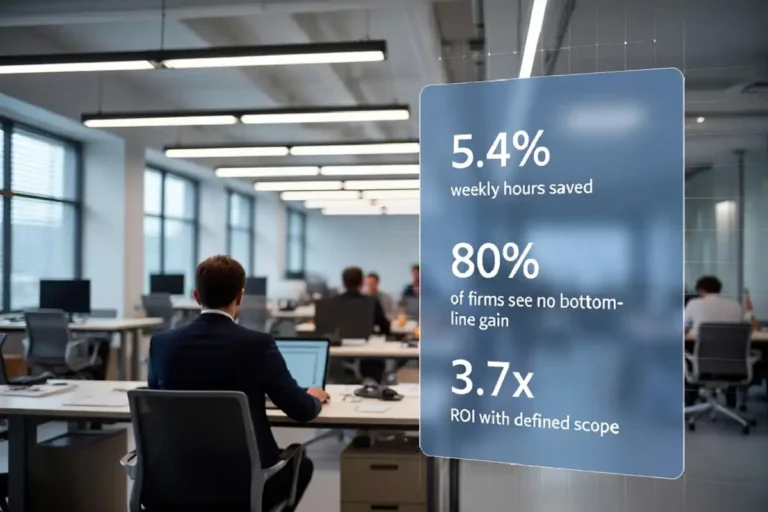
The tools work. The problem is how firms deploy them. PwC reports that daily AI users experience higher productivity and job security, yet only 54 percent of respondents used AI over the past year. That split creates a divided workforce, where a minority compounds gains and the rest stall.
Adoption, not capability, is the bottleneck. Companies that pair AI tools with real training pull ahead. The ones that buy licenses and walk away see the email pile grow. I dug into this same training divide in my piece on why AI skills now lead career growth.
What Hybrid Work Data Tells Us Now
Hybrid and remote arrangements are helping output, not hurting it. In Owl Labs’ report, about 69 to 70 percent of managers say that hybrid or remote work has made their teams more productive, not less. The old productivity paranoia is fading as the data piles up.
The detail backs it. Remote workers log 29 more productive minutes per day than in-office employees, and hybrid workers are 33 percent less likely to quit. Lower turnover alone protects output, since every departure resets a team’s momentum.
Structure is the catch. Flexibility helps when paired with clear outcomes and visibility. Without that, the minutes leak back out. For a closer look at the schedule shift driving this, see my report on how the four-day workweek hit a tipping point.
The Meeting and Distraction Drag
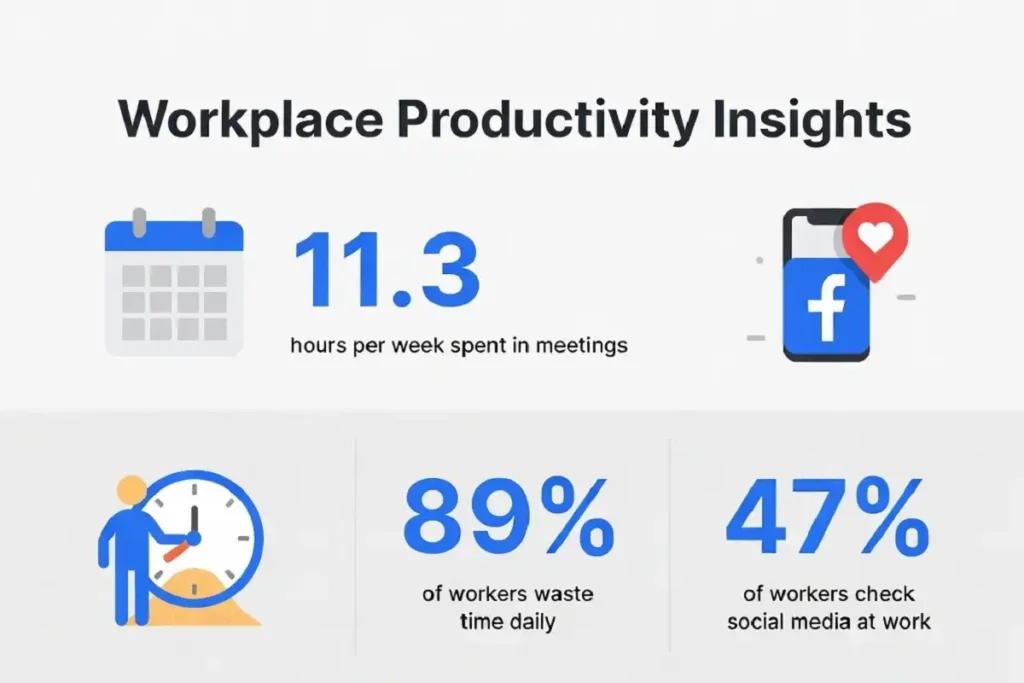
Meetings remain the quiet productivity killer. The average employee now spends about 11.3 hours a week in meetings, and not all of them are considered productive. That is more than a full workday lost to calendars every week.
Distraction compounds it. Research shows 89 percent of workers admit to wasting time every day, and 47 percent of workers check social media during work hours. These are fixable problems, and they cost more than most AI subscriptions.
What This Means for You
Watch the June 4 number, but do not over-read it. One soft quarter does not undo the longer trend. The bigger story is structural. Productivity growth is real but modest, AI is helping a focused minority, and disengagement is bleeding output across the board.
If you lead a team, the levers are clear. Train people on the tools they already have. Cut meetings that produce nothing. Give managers real support, since their disengagement spreads fastest. The companies that fix the basics will outpace the ones still waiting for AI to do it for them.
The data drops Thursday. The harder work starts after.