China’s $17 Billion Ag Deal Sends Grain Prices Soaring, But Farmers Stay Cautious
The China $17 billion ag deal landed this week, and grain markets reacted fast. I’ll walk you through what the White House announced, why corn and soybean futures jumped, and why a lot of American farmers aren’t celebrating yet.
Quick Answer: The White House says China agreed to buy at least $17 billion in U.S. farm goods yearly through 2028, on top of earlier soybean pledges. Beijing has not confirmed the figure, calling it only a “guiding target.”
What the White House Actually Said
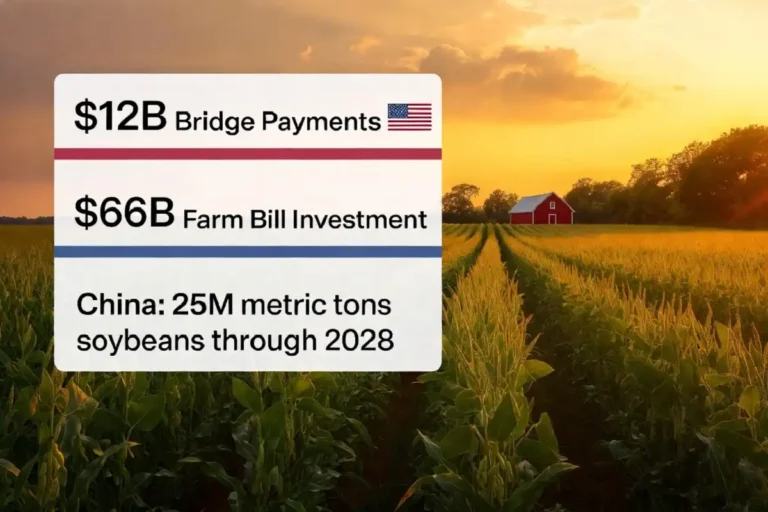
China committed to purchasing at least $17 billion in U.S. agricultural products each year for 2026, 2027, and 2028, according to a White House fact sheet published Sunday, May 17. The $17 billion of U.S. ag purchases sit on top of the 25 million metric tons of soybeans China agreed to buy in October. The 2026 number gets prorated since most of the year is already gone.
The deal came two days after President Trump returned from a summit in Beijing with President Xi Jinping. China would restore market access for U.S. beef and resume imports of poultry from states the USDA confirms are free of bird flu.
U.S. Trade Representative Jamieson Greer said the dollar figure covers everything. When asked what counts toward the total, he said it could include soybeans, beef, grains, dairy, and other commodities.
Why Grain Futures Jumped
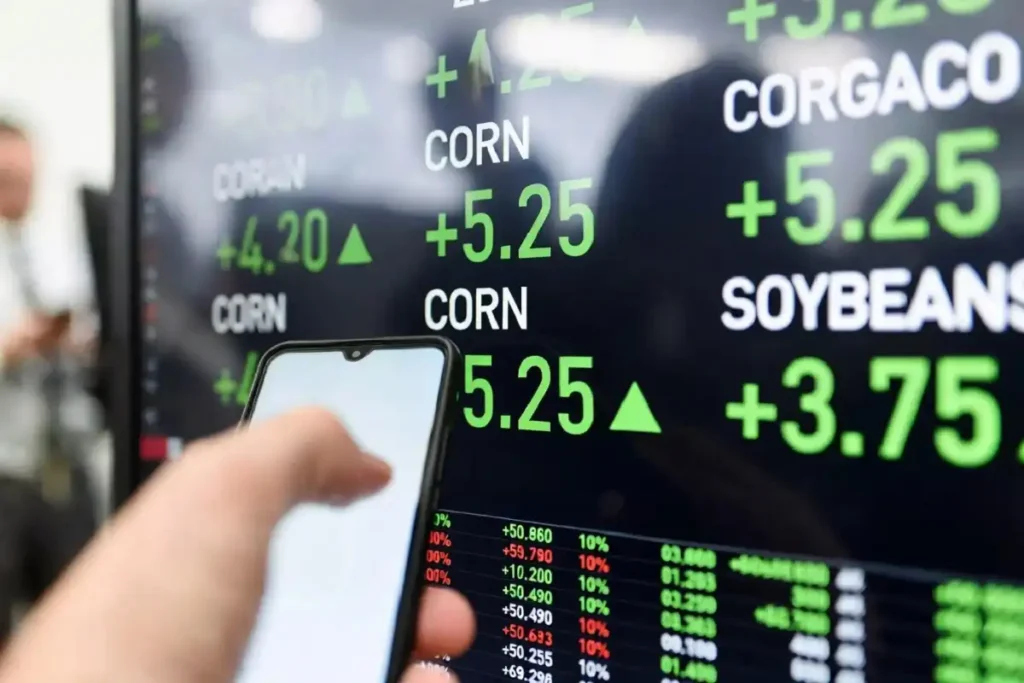
Markets read the news as bullish and bought hard on Monday, May 18. Nearly all CME grain contracts ended sharply higher, with corn futures nearly hitting their daily price limit and the front-month contract settling 4.7% above Friday’s close.
Wheat rode the wave too. July Kansas City wheat rose 2.3%, Minneapolis wheat gained 2.6%, and Chicago wheat climbed 4.5%. July soybeans finished up 3.1%.
The timing matters. This rally arrived in the same stretch that the USDA projected the smallest U.S. wheat crop since 1972, adding fuel to an already jumpy market. If you want the full picture on that wheat shortfall, I broke down what the smallest wheat crop since 1972 means for bread prices in a separate piece.
Did China Actually Confirm the $17 Billion?
No. China has not confirmed the $17 billion figure. Beijing’s Ministry of Commerce said on Wednesday that the two countries had only established a “guiding target” to increase agricultural trade, without mentioning the $17 billion number.
That gap matters. The earlier October pact and this new statement are built differently. The October 2025 agreement was based on a specific volume, while the May 2026 statement is based on a dollar amount. Dollar figures swing with price, so the same money buys fewer beans if prices climb.
The market noticed the disconnect. Soybean futures steadied around $12 per bushel after the surge, then dropped once China failed to confirm Washington’s claim.
Why Farmers Aren’t Celebrating
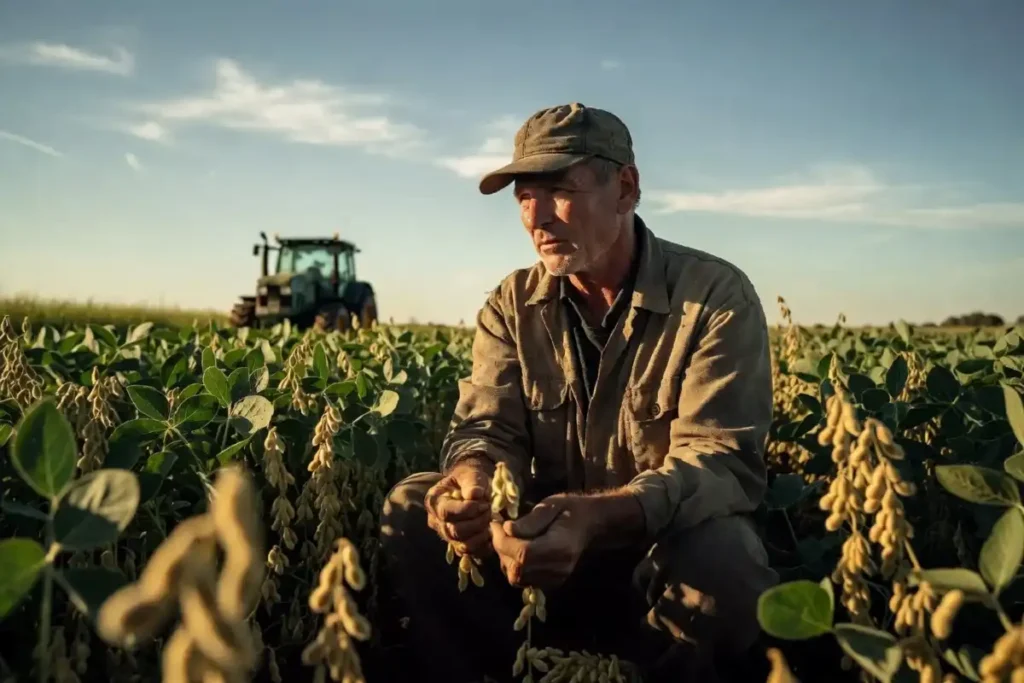
Because the demand boost doesn’t erase the cost squeeze they’ve been living with. U.S. farmers welcomed the potential demand, but they still face low crop prices, high production costs, tariffs, and rising fertilizer expenses tied to the Middle East conflict.
The trade war damage was real and recent. China’s imports of U.S. ag goods peaked at $38 billion in 2022 but fell to $8 billion in 2025. Soybeans took the hardest hit. China, traditionally the largest foreign buyer of American soybeans, stopped purchasing them altogether last year after Trump hiked tariffs on Chinese goods.
Soybean groups have warned all along that vague language is the trap. The American Soybean Association and USSEC said purchase targets could only be met if China modifies its market-driven buying pattern, and that ambiguous “market-based” clauses can render agreements meaningless.
Margins are the bigger worry heading into next season. Analysts have flagged 2027 as a potential breaking point for the toughest year yet for farm margins, driven by shrinking equity and rising nitrogen costs. A trade headline doesn’t fix any of that overnight.
How Big Could the Soybean Numbers Get
The combined commitments are large, even if the follow-through is uncertain. StoneX chief commodities economist Arlan Suderman estimated the Trump administration has secured a commitment from China to buy at least 87 million tonnes of soybeans between now and the end of 2028, roughly 75 million tonnes more than farmers would have landed without a deal.
There’s a supply-side wrinkle that could move prices hard. The May 12 WASDE put soybean carryout at 310 million bushels, a surplus that a higher export total would obliterate. Farm Futures analyst Bryce Knorr noted that just the threat of that demand could push nearby 2026 crop futures toward levels seen in the 2022 inflation spike and the 2012 drought.
That’s why some analysts see room to run. One projection has soybean prices climbing toward $13 if China actually pulls forward purchases and tightens the balance sheet.
The Takeaway
The China $17 billion ag deal is the kind of headline farmers have wanted for two years. It pushed corn, soybeans, and wheat sharply higher in a single session. But the deal rests on a dollar promise China won’t confirm, and U.S. growers are still buried under high costs and thin margins. The price signal is real. The follow-through is the open question, and the answer shows up in actual cargo bookings, not fact sheets.
You can track the official supply and demand numbers directly through the USDA’s WASDE reports and the trade specifics in the White House fact sheet.