Fortnite Hits 3.4 Million iOS Downloads in One Week After Global App Store Return
Fortnite’s return to the global iOS App Store is turning heads with download numbers nobody expected this fast. If you want the full picture on what happened, how many players came back, and where the Epic vs. Apple fight stands right now, you’re in the right place.
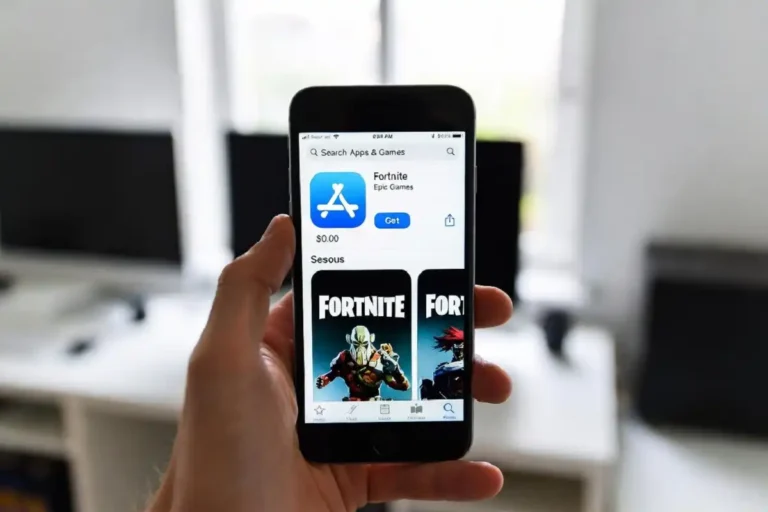
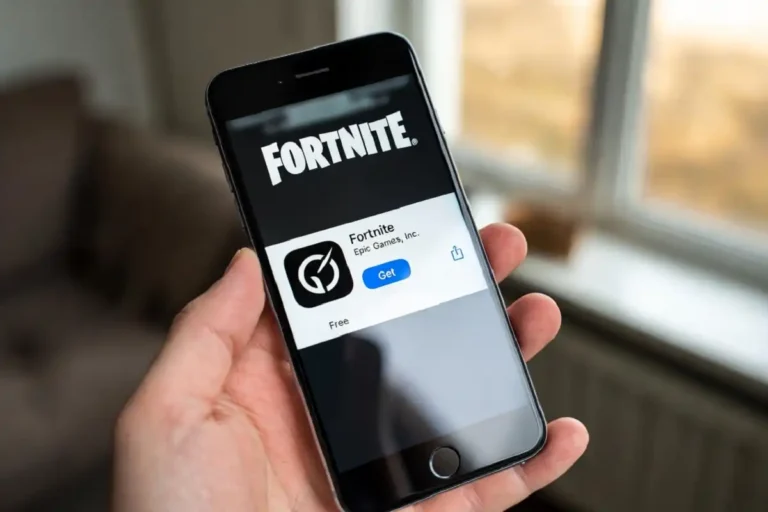
Fortnite returned to the Apple App Store worldwide on May 19, 2026, except in Australia. In its first week back, it racked up 3.4 million downloads globally, making it the game’s fourth-best week on mobile since its 2018 launch.
Fortnite iOS App Store Return: What Happened on May 19
Fortnite came back to the App Store in every country except Australia on May 19, 2026. Epic Games CEO Tim Sweeney announced the move on X, calling it the start of the “final battle” in the company’s years-long legal standoff with Apple.
This wasn’t a soft relaunch. Epic framed the global rollout as a strategic victory in its ongoing antitrust war with Apple, and excluded Australia specifically because Epic claims Apple is defying a local court ruling there.
The timing was calculated. Epic said the decision was prompted by Apple’s own words to the U.S. Supreme Court, where Apple acknowledged that regulators around the world are watching the case to determine what commission rate Apple may charge on purchases in major markets outside the United States. Sweeney seized on that admission publicly.
3.4 Million Downloads in the First Week
The player response was massive. According to analytics firm AppMagic, as reported by PocketGamer, Fortnite was downloaded 3.4 million times between May 19 and May 26, 2026.
That figure represents the game’s fourth-strongest week ever on the iOS App Store and its most successful seven-day stretch since its original launch month back in 2018. To put that in perspective: Fortnite’s launch week in 2018 saw 3.7 million downloads. Week 2 of its original mobile run hit 3.1 million. This comeback week cleared that mark.
That’s the kind of pent-up demand that builds over six years of absence from most iOS devices worldwide.
A Six-Year Battle That Reshaped App Store Rules
How Did Fortnite Get Removed From the App Store?
The controversy started in August 2020, when Apple required all iOS developers to use Apple’s payment system for in-app purchases, with commissions reaching up to 30% on digital transactions. Epic pushed back by offering players a cheaper direct-payment option inside the app, which violated Apple’s terms. Apple pulled Fortnite immediately.
What followed was one of the most closely watched antitrust cases in tech history. Fortnite first returned to the U.S. App Store in May 2025, after District Judge Yvonne Gonzalez Rogers threatened to require an Apple official overseeing app decisions to appear in court.
The Fortnite vs. Apple saga is now in its final legal chapter. In late April 2026, the Ninth Circuit Court of Appeals reversed a stay that had allowed Apple to pause compliance with rulings on App Store fees, sending the case back to Judge Gonzalez Rogers to determine what commission Apple can charge on purchases made through external links.
Why Australia Was Left Out
Why Can’t Australian Players Download Fortnite?
Australian players are blocked because Epic says Apple is actively defying a court order there. Epic claims Apple is ignoring a local ruling in Australia, which is the specific reason that country was excluded from the global rollout.
It’s the one market where the legal dispute hasn’t resolved to Epic’s satisfaction. Every other major market got access on May 19.
The App Store Landscape Fortnite Returned To
The mobile app environment in May 2026 looks nothing like 2020. Three AI assistants, specifically ChatGPT, Claude, and Gemini, now hold three of the top five free app positions on the App Store, a structural shift that has redrawn category competition entirely.
Fortnite walked back into a busier, more competitive environment. Global app releases grew 60 percent year-over-year in the first quarter of 2026 across both the App Store and Google Play, with iOS app launches up 80 percent during that same period. Early April data showed an even steeper jump, with total releases up more than 100 percent.
The surge in AI assistant apps dominating the charts has changed what “top of the App Store” even means now. Gaming still matters, but it shares real estate with AI tools in a way it never did before.
For more on how AI is reshaping mobile, the mobile apps category on tomarogroup.com covers the ongoing shifts week by week.
What the Numbers Mean for Epic vs. Apple
3.4 million downloads in one week is more than a comeback story. It’s a proof point Epic will use in court.
Epic argues that Apple’s fee structure is unsustainable under global regulatory pressure, and the company wants long-term changes to how the App Store operates. Strong download numbers reinforce the argument that Fortnite belongs on iOS and that there is genuine consumer demand Apple was blocking for years.
App Store algorithm volatility has also been significant in May 2026, with Paramount+ jumping 45 positions overnight and Netflix Game Controller spiking 49 positions the previous weekend, reflecting an unpredictable ranking environment. Fortnite landed in that environment and still pulled historic numbers.
The AI-driven changes across the software industry are also pushing developers to reconsider how they build and distribute apps. Epic’s push against Apple’s 30 percent commission fits into a broader developer frustration with platform gatekeeping.
What Comes Next for Epic and Apple
The Supreme Court angle is the one to watch. Apple’s own admission to the court, that international regulators are watching the commission rate question closely, gave Epic exactly the leverage it needed to make this global move now.
Sweeney framed the return as heading into the final battle of Epic vs. Apple in court. The Ninth Circuit’s April 2026 ruling keeps the fee question alive. A ruling from Judge Gonzalez Rogers on what Apple can charge through external links could set a precedent that changes how every app developer monetizes on iOS.
For context on how tech companies are managing legal and AI-related pressures right now, Jamie Dimon’s AI leadership warnings for CEOs in 2026 cover some of the same platform-disruption themes playing out across the industry.
My Read on This
Six years is a long time for any game to stay relevant without mobile access. That Fortnite pulled 3.4 million iOS downloads in its first week back tells you two things. First, the brand held up. Second, there was real demand Apple’s policies suppressed for years.
The legal fight isn’t over. But for the first time since 2020, players in almost every country can open the App Store, search for Fortnite, and download it on their iPhone or iPad. That alone is a meaningful shift, regardless of how the court battle ends.