Fortnite App Store Worldwide Return Reignites the Epic vs. Apple Fight
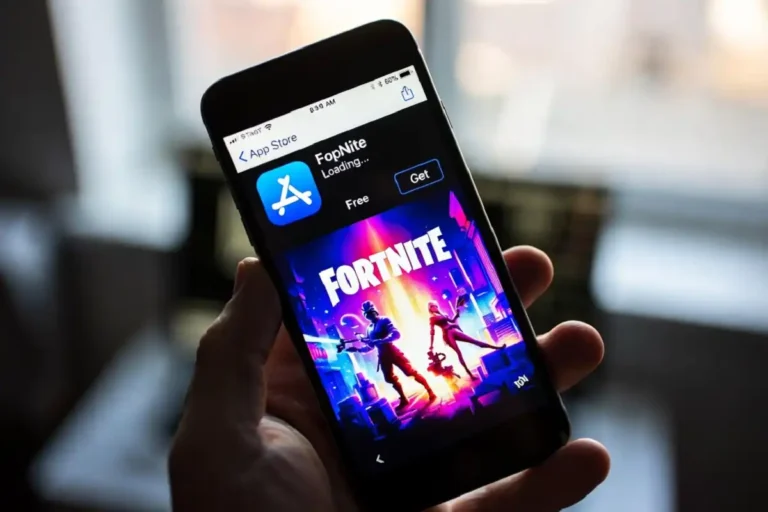
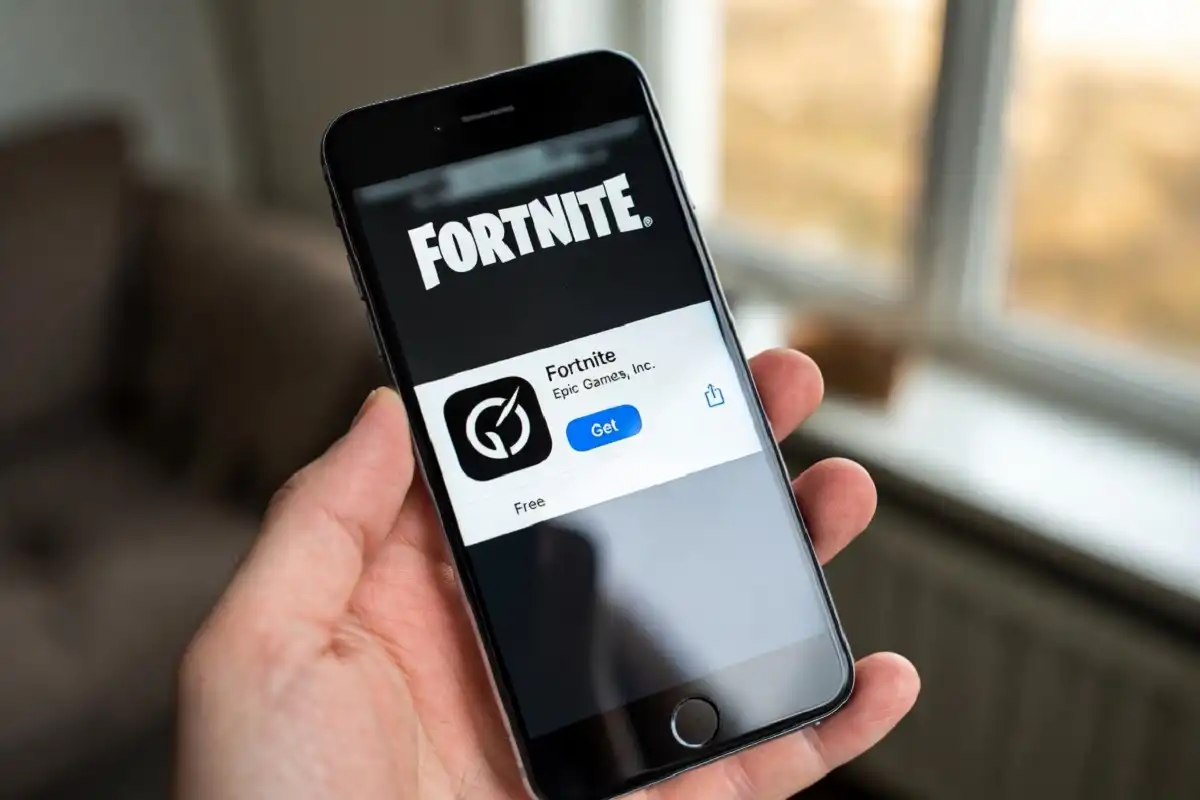
Epic Games put Fortnite back on the App Store worldwide on May 19, 2026. The Fortnite App Store worldwide return ends a five year standoff on iOS and opens what Epic calls the “final battle” over Apple’s fees. Here’s what changed and why it matters for iPhone players.
Quick Answer: Fortnite returned to the Apple App Store worldwide on May 19, 2026. iPhone and iPad users in nearly every country can download it directly. Australia is the only major market still locked out, due to an unresolved Apple dispute.
What Actually Happened on May 19
Epic Games announced the global rollout on May 19, 2026, framing the move as a strategic victory in its ongoing antitrust war with Apple. Players opened the App Store and found Fortnite waiting. No cloud workaround. No sideloading. A direct download.
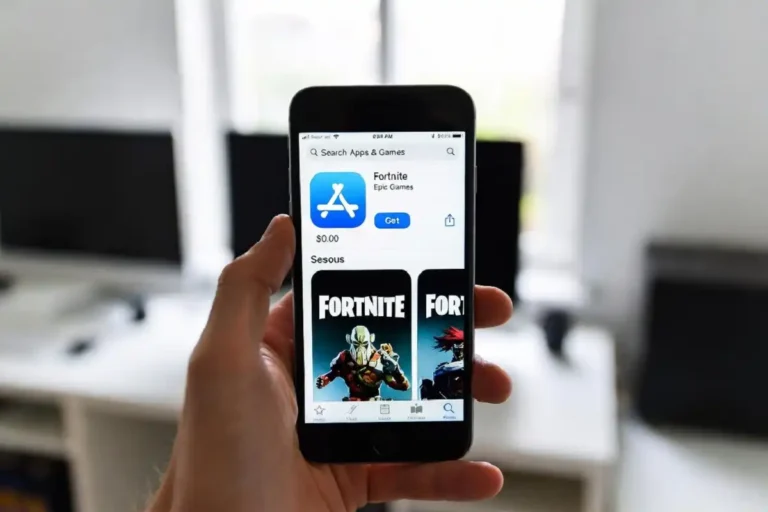
Fortnite has returned natively to iOS devices and the App Store all over the world. That word “natively” carries weight. For years, iPhone owners could only reach the game through cloud streaming or alternative stores in the EU. Now it sits in Apple’s storefront like any other app.
The return covers nearly every country. The return covers all major markets except Australia, where Epic claims Apple is defying a local court ruling. Epic says Apple is still enforcing payment terms it considers unlawful in that market.
Why Did Epic Push Fortnite Back Worldwide Now?
Epic timed the move around Apple’s own words to the Supreme Court. Apple told the U.S. Supreme Court that “Regulators around the world are watching this case to determine what commission rate Apple may charge on covered purchases in huge markets outside the United States.”
Epic read that as an opening. Fortnite is returning to the App Store now because we are confident that once Apple is forced to show its costs, governments around the world will not allow Apple junk fees to stand. That’s Epic’s bet in plain terms.
CEO Tim Sweeney made the intent obvious. Epic Games CEO Tim Sweeney took to X (formerly Twitter) to declare that the return marks “the beginning of the end of the Apple Tax worldwide.” He’s not treating this as a truce. He’s treating it as pressure.
How We Got Here: A Five Year Road
The fight started in 2020. The Fortnite App Store controversy started in August 2020. At the time, Apple required all iOS developers to use Apple’s payment system for in-app purchases. Apple charged commissions that could reach 30% on digital transactions. Epic added its own payment option, Apple pulled the game, and the lawsuits began.
The U.S. comeback came first. The return follows Fortnite’s reinstatement to the U.S. App Store in May 2025 after nearly five years off the platform. That reinstatement didn’t happen quietly either. That reinstatement came after District Judge Yvonne Gonzalez Rogers threatened to require the Apple official overseeing app decisions to appear in court, prompting Apple to approve the submission.
Android sorted itself out along the way too. In March 2026, Epic and Google settled their dispute, restoring Fortnite to Google Play globally. So by spring 2026, the worldwide App Store return was the last big piece.
A recent court ruling set up the timing. In late April 2026, the Ninth Circuit Court of Appeals reversed a stay that had allowed Apple to pause its compliance with rulings on App Store fees, sending the case back to Judge Gonzalez Rogers to determine what commission Apple can charge on purchases made via external links.
What Apple Says
Apple frames the same events differently. Apple has consistently argued that its commission structure supports the value it delivers, including secure payment processing, fraud protection, and a trusted marketplace. Apple’s position is that the fees pay for the platform people trust.
Apple also describes the expansion as routine compliance, not surrender. The company points to its handling of court rulings while continuing to defend its overall approach. Two companies, one set of facts, two stories. If you’ve followed the way the U.S. and China tell two stories about the same summit, the pattern feels familiar.
What This Means for iPhone Players
You can download Fortnite directly from the App Store right now, in most countries. No streaming lag. No third party store. Epic also tied a reward to the moment. To celebrate the relaunch, Epic Games also introduced a special in-game reward campaign tied to the return.
The bigger shift is competitive. Fortnite’s comeback lands during an unusual stretch for the App Store, where AI assistants now crowd the top of the free charts and ranking surges have caught marketers off guard. Mobile gaming is fighting for attention against a new class of apps. If you track which new gadgets are worth buying this month, the software story is just as active as the hardware one.
For developers watching, the message is louder than the game itself. Several gaming observers believe Fortnite’s return could encourage other developers to challenge restrictive platform policies more aggressively moving forward.
Where Things Go From Here
The download is live, but the legal fight isn’t finished. The case is back with Judge Gonzalez Rogers to decide what Apple can charge on external purchases. That ruling could reset fee structures far beyond one game.
Australia is the open question. Until that dispute clears, the worldwide return has one visible gap. Epic clearly wants regulators in other countries to follow the U.S. court’s lead, and it’s using Fortnite as the loudest possible reminder. The mobile gaming world has reshaped itself fast over the past year, and the platform fee fight that started with one banned app is the thread tying it all together.