FIFA World Cup 2026: Full Results, Records, and What to Know Now That It’s Over
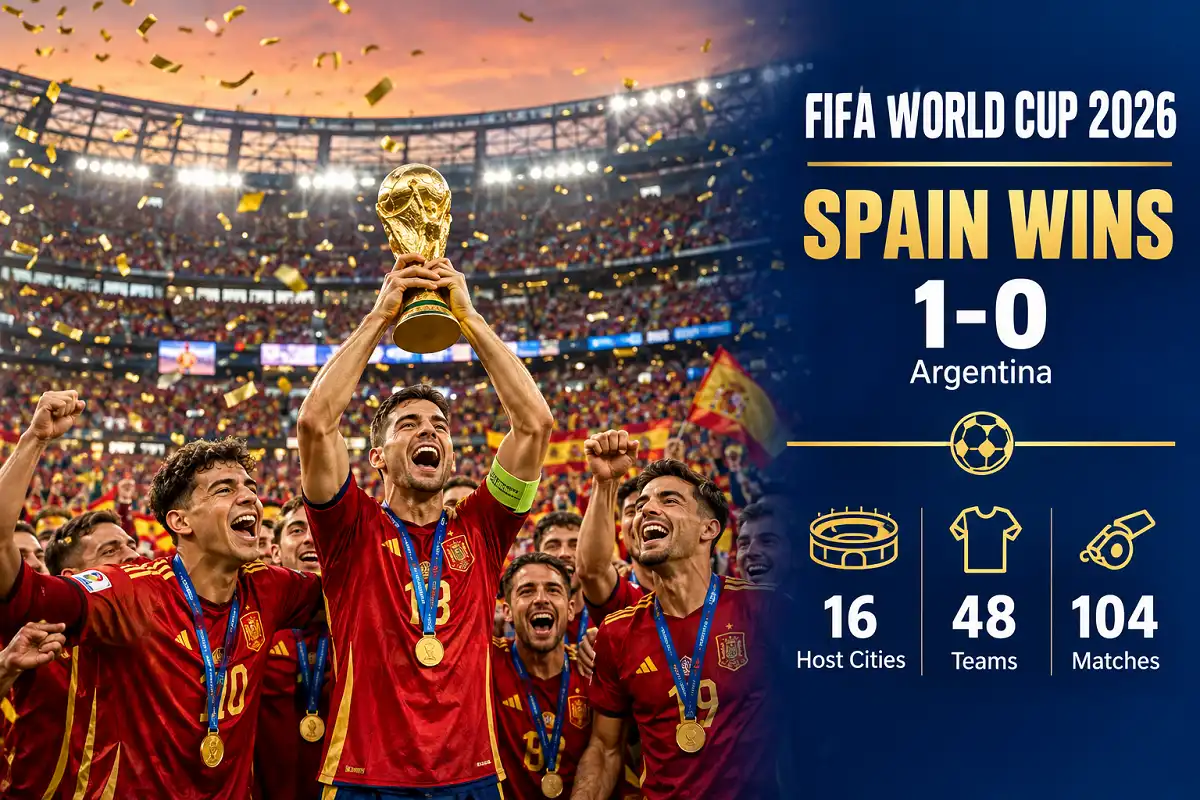
Spain won the FIFA World Cup 2026, beating Argentina 1-0 in extra time at MetLife Stadium in New Jersey on July 19, 2026, with substitute Ferran Torres scoring the only goal. The tournament was the first to feature 48 teams and 104 matches, and it was jointly hosted across 16 cities in the United States, Mexico, and Canada. It was also the biggest World Cup on record, with FIFA reporting record attendance, record digital engagement, and a projected economic impact worth billions of dollars for the three host nations.
A Tournament Built to Be the Biggest in History
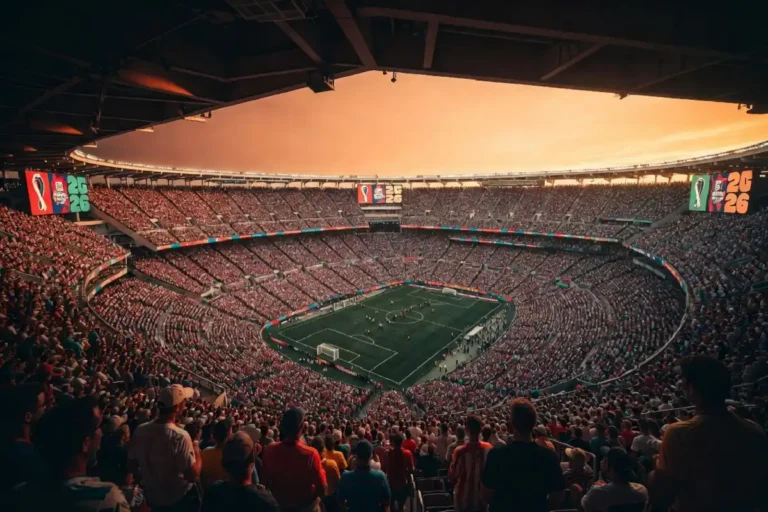
Long before the opening whistle, the FIFA World Cup 2026 was already breaking the mold. It expanded the field from 32 teams to 48, added an extra round called the Round of 32, and pushed the total match count from 64 to 104. Spreading those games across three countries and 16 cities was a logistical experiment nobody had tried at this scale before, and by the time Spain lifted the trophy, FIFA was calling it the most-watched, most-attended edition in the competition’s history.
If you followed the buildup, watched a few matches, or are simply trying to make sense of everything that happened between June 11 and July 19, this guide pulls the whole story together: how the tournament worked, who won, what made this edition different, and what fans planning to attend a future World Cup can learn from it.
How the FIFA World Cup 2026 Format Worked
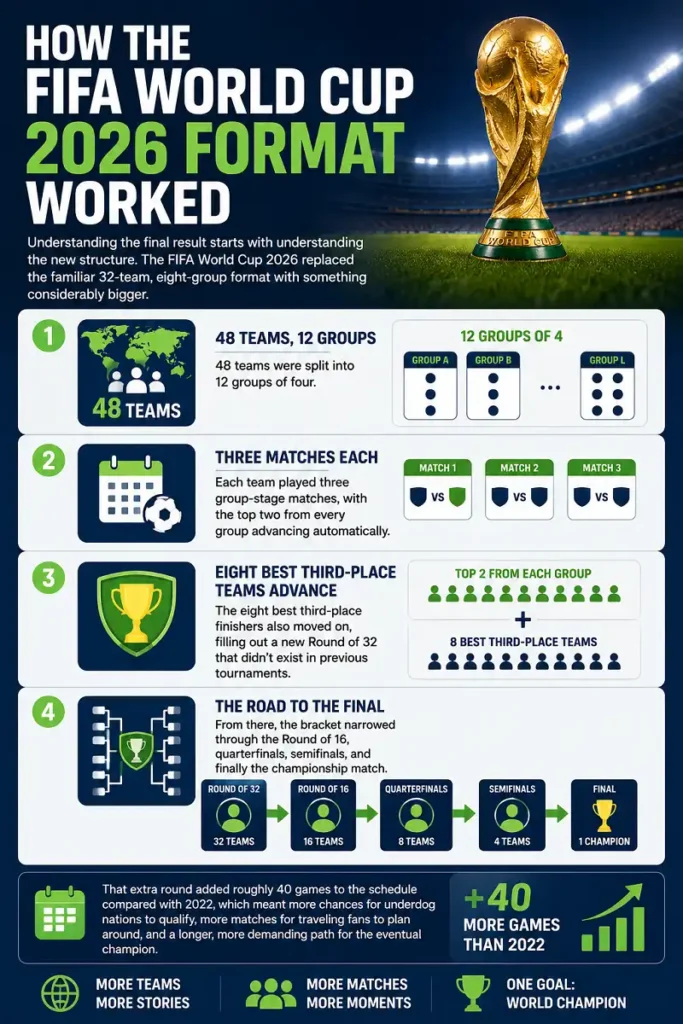
Understanding the final result starts with understanding the new structure. The FIFA World Cup 2026 replaced the familiar 32-team, eight-group format with something considerably bigger.
- 48 teams were split into 12 groups of four.
- Each team played three group-stage matches, with the top two from every group advancing automatically.
- The eight best third-place finishers also moved on, filling out a new Round of 32 that didn’t exist in previous tournaments.
- From there, the bracket narrowed through the Round of 16, quarterfinals, semifinals, and finally the championship match.
That extra round added roughly 40 games to the schedule compared with 2022, which meant more chances for underdog nations to qualify, more matches for traveling fans to plan around, and a longer, more demanding path for the eventual champion. Spain’s route to the trophy included that new early round, and their coach later called the expanded format “a fair test of depth,” since a squad had to be good across six-plus matches instead of five.
Host Cities: Where the FIFA World Cup 2026 Was Played
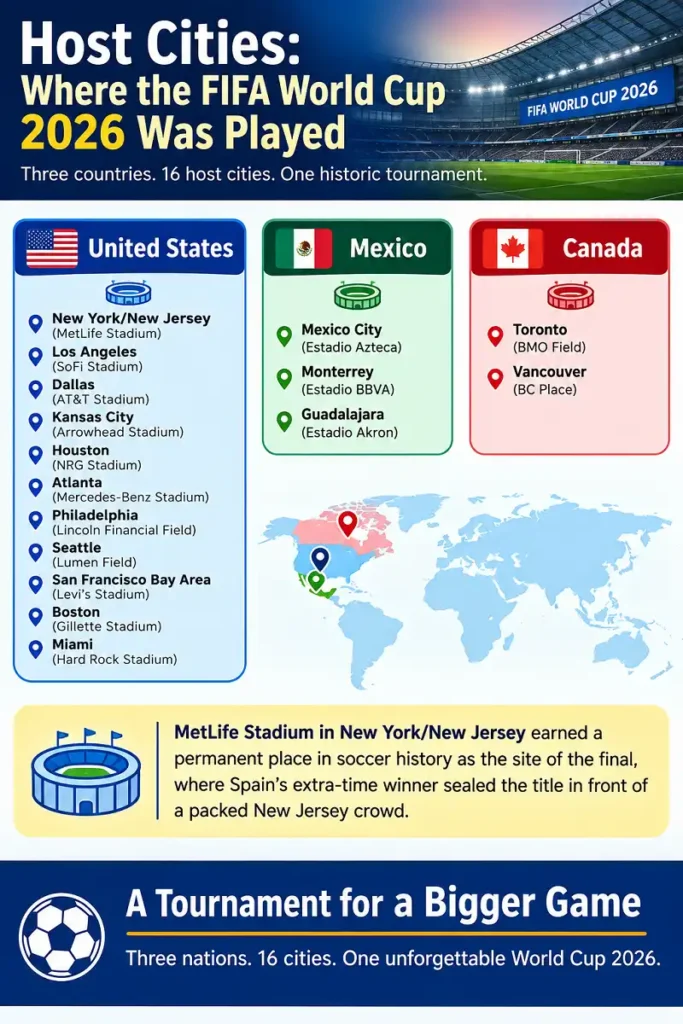
Three countries shared hosting duties for the first time in tournament history. The 16 host cities and their stadiums were:
United States: New York/New Jersey (MetLife Stadium), Los Angeles (SoFi Stadium), Dallas (AT&T Stadium), Kansas City (Arrowhead Stadium), Houston (NRG Stadium), Atlanta (Mercedes-Benz Stadium), Philadelphia (Lincoln Financial Field), Seattle (Lumen Field), San Francisco Bay Area (Levi’s Stadium), Boston (Gillette Stadium), Miami (Hard Rock Stadium)
Mexico: Mexico City (Estadio Azteca), Monterrey (Estadio BBVA), Guadalajara (Estadio Akron)
Canada: Toronto (BMO Field), Vancouver (BC Place)
MetLife Stadium earned a permanent place in soccer history as the site of the final, where Spain’s extra-time winner sealed the title in front of a packed New Jersey crowd.
The Final: How Spain Won the FIFA World Cup 2026
The championship match lived up to the tournament’s billing as the biggest yet. Spain dominated possession and shots against an Argentina side chasing back-to-back titles, but goalkeeper Emiliano Martínez kept the match scoreless through 90 minutes with a string of difficult saves, including a stop on a late free kick from teenage star Lamine Yamal.
The turning point came in stoppage time at the end of regulation, when Argentina’s Enzo Fernández picked up a second yellow card and left his team to play the rest of the match a man down. Spain pressed that advantage in extra time, and in the second 15-minute period, substitute Ferran Torres pounced on a loose ball in the box and buried it past Martínez for the only goal of the game. The 1-0 result gave Spain its second World Cup title, 16 years after its first in 2010, and closed the book on what many expected to be Lionel Messi’s final World Cup appearance for Argentina.
Spain finished the tournament having conceded remarkably few goals, and their run through the knockout rounds, past Austria, Portugal, Belgium, and France, showed a level of consistency that made them the deserved champions of the FIFA World Cup 2026.
FIFA World Cup 2026 by the Numbers
FIFA described this edition as a record-breaker on nearly every metric that matters:
- 104 matches across 39 days, up from 64 matches in 2022
- 48 teams, the largest field in tournament history
- 16 host cities across three countries, another first
- Record global viewership, building on the roughly 1.5 billion people who watched the 2022 final alone
- FIFA fan festivals in all three host countries drew record-breaking crowds, with millions attending free public viewing events
- FIFA’s own commercial revenue projections for this cycle topped $11 billion, well above the roughly $7 billion generated by the 2022 tournament in Qatar
For host cities, the numbers were just as significant. Economists projected a combined economic impact in the billions of dollars for the United States, Mexico, and Canada, driven by tourism, hospitality spending, temporary jobs, and infrastructure upgrades that will outlast the tournament itself.
What Made This FIFA World Cup 2026 Different From Past Tournaments
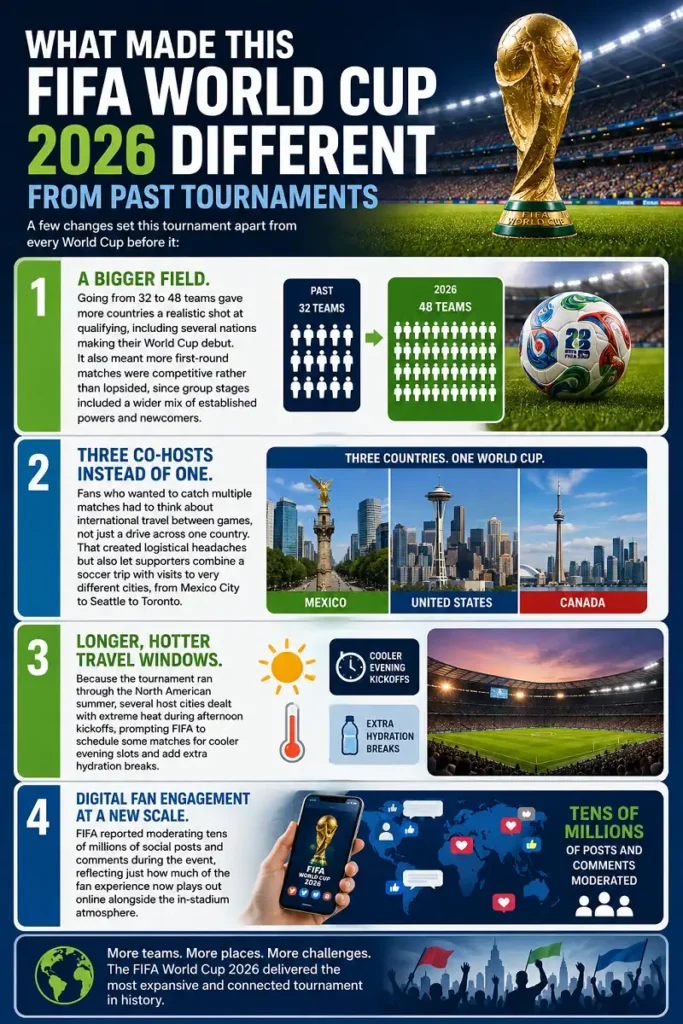
A few changes set this tournament apart from every World Cup before it:
A bigger field. Going from 32 to 48 teams gave more countries a realistic shot at qualifying, including several nations making their World Cup debut. It also meant more first-round matches were competitive rather than lopsided, since group stages included a wider mix of established powers and newcomers.
Three co-hosts instead of one. Fans who wanted to catch multiple matches had to think about international travel between games, not just a drive across one country. That created logistical headaches but also let supporters combine a soccer trip with visits to very different cities, from Mexico City to Seattle to Toronto.
Longer, hotter travel windows. Because the tournament ran through the North American summer, several host cities dealt with extreme heat during afternoon kickoffs, prompting FIFA to schedule some matches for cooler evening slots and add extra hydration breaks.
Digital fan engagement at a new scale. FIFA reported moderating tens of millions of social posts and comments during the event, reflecting just how much of the fan experience now plays out online alongside the in-stadium atmosphere.
Lessons for Fans Planning to Attend a Future World Cup
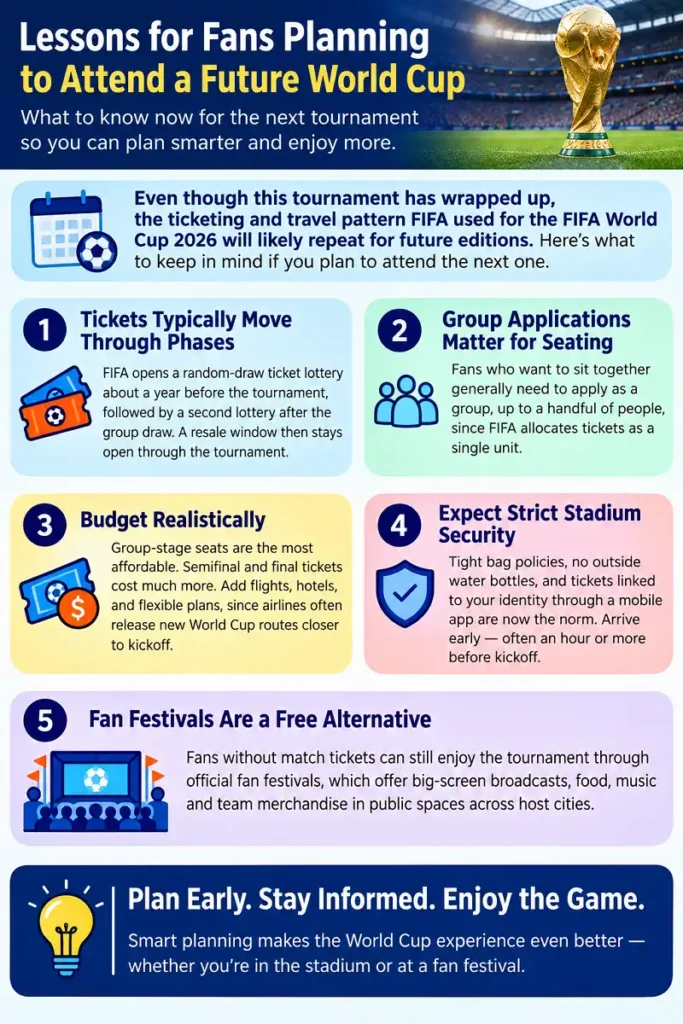
Even though this tournament has wrapped up, the ticketing and travel pattern FIFA used for the FIFA World Cup 2026 will likely repeat for future editions, so it’s worth understanding for anyone hoping to attend the next one.
Tickets typically move through phases
FIFA generally opens a random-draw ticket lottery roughly a year before the tournament, well before the final schedule or qualified teams are known. A second lottery phase usually follows once the group draw is finalized, giving fans a chance to target specific matchups. A resale window then stays open through the tournament itself, letting fans who can’t attend return tickets and letting others pick up newly available seats.
Group applications matter for seating
Fans who want to sit together generally need to apply as a group, up to a handful of people, since FIFA allocates group tickets as a single unit rather than mixing strangers into the same block.
Budget realistically
Ticket prices scale sharply with the stage of the tournament. Group-stage seats are the most affordable option, while semifinal and final tickets, especially in the middle sections, cost substantially more. Add flights, hotels, and the fact that airlines often release new World Cup-driven flight routes only a few months before kickoff, and a realistic travel budget needs some flexibility.
Expect strict stadium security
Every recent World Cup, including this one, has enforced tight bag policies, banned outside water bottles, and required tickets to be tied to an individual’s identity through a mobile app rather than a paper ticket. Arriving early, often an hour or more before kickoff, is the difference between a relaxed pregame walk and a rushed sprint through security lines.
Fan festivals are a free alternative
Fans without match tickets can still experience the tournament’s atmosphere through official fan festivals, which combine big-screen broadcasts, food, music, and team merchandise in public spaces across host cities. These events drew record crowds this year and are expected to be a staple of future tournaments as well. If you’re weighing options for catching future matches without a stadium ticket, our guide on how to watch the World Cup for free through legal channels breaks down the streaming and broadcast side of that equation, while our World Cup results tracker is a useful reference for anyone catching up on how the knockout rounds played out.
FIFA World Cup 2026 vs. the 2022 Tournament
| Category | 2022 (Qatar) | 2026 Tournament |
|---|---|---|
| Teams | 32 | 48 |
| Matches | 64 | 104 |
| Host countries | 1 | 3 |
| Host cities | 8 | 16 |
| Champion | Argentina | Spain |
| Runner-up | France | Argentina |
| Final score | 3-3 (Argentina won on penalties) | 1-0 (Spain won in extra time) |
| FIFA revenue projection | ~$7 billion | ~$11 billion |
Planning a Trip Around Future Tournaments
Even with this edition in the books, the travel habits built around the FIFA World Cup 2026 are worth holding onto for the next global tournament, whether that’s a future men’s or women’s World Cup or another major event. Booking accommodations early, watching for new flight routes that airlines add specifically for host cities, and treating the surrounding city, not just the stadium, as part of the trip all remain smart approaches. Many fans who traveled for this tournament also built in extra days for regional sightseeing, camping, or outdoor activities near host cities, and our outdoor adventure planning guide offers ideas for travelers who want to pair a match with time outside.
FAQs

Who won the FIFA World Cup 2026?
Where was the FIFA World Cup 2026 held?
How many teams played in the FIFA World Cup 2026?
How is the FIFA World Cup 2026 different from previous World Cups?
Did Lionel Messi play in the FIFA World Cup 2026?
Will future World Cups follow the same 48-team format?
Final Thoughts
The FIFA World Cup 2026 set out to be bigger than anything soccer had produced before, and by nearly every measure, it delivered on that promise. Spain’s extra-time win over Argentina gave the tournament a fitting, hard-fought ending, and the record crowds, viewership, and economic numbers around it suggest the expanded format is here to stay. For fans already looking ahead to the next World Cup, the lessons from this one are simple: plan travel early, budget for the stages you actually want to see, and remember that some of the best memories happen outside the stadium gates too.