VAR Denies Goal: What It Means and Why It Happens in 2026
VAR denies goal moments now decide World Cups, not just Premier League weekends. Germany learned that on June 29, 2026, when a video review wiped out Jonathan Tah’s extra-time header against Paraguay in Boston. Here is exactly how these calls work, and why they happen.
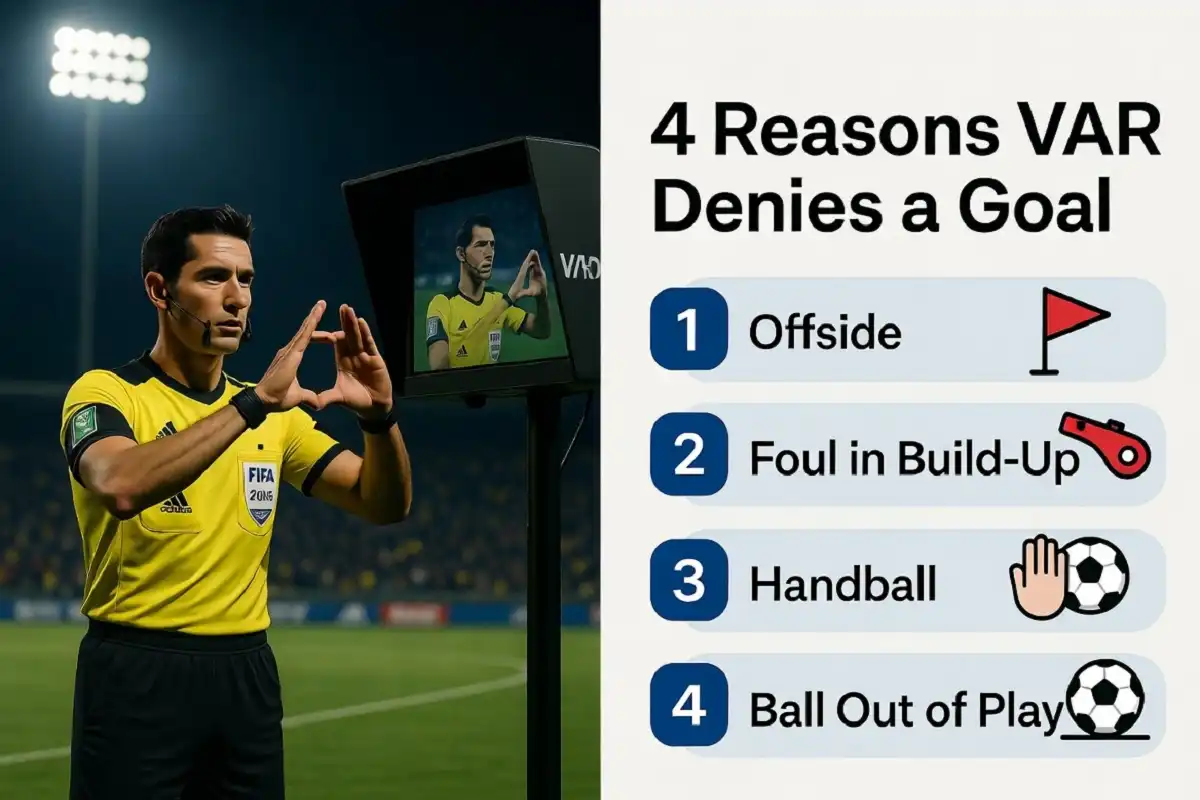
When VAR denies a goal, the review found one of four things: an offside, a foul in the build-up, a handball by the scoring team, or the ball leaving play. The on-field referee makes the final call.
What Happens When VAR Denies a Goal?
The referee disallows the score and restarts play based on the infringement. That is the direct answer. The process behind it follows a strict script.
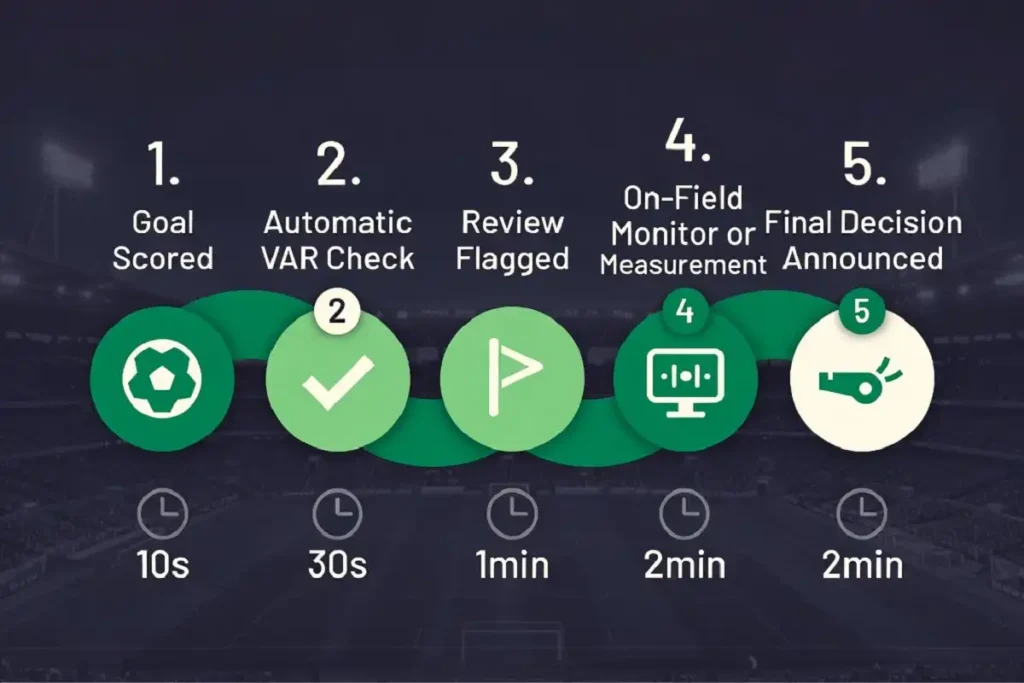
Every goal at the 2026 World Cup gets an automatic check. The video assistant referee reviews the build-up while players celebrate. Most checks clear in under a minute. If the VAR spots a possible problem, two paths open up.
Factual calls get settled by measurement. Offside is factual, since a player is either beyond the line or not, and the semi-automated system measures it. The referee never visits the screen for these.
Subjective calls go to the monitor. Against Paraguay, the VAR recommended an on-field review for a possible foul block on the goalkeeper before Tah scored, and the referee agreed after watching the replays. That is the sequence fans see: the delay, the rectangle gesture, the walk to the screen, the announcement.
New for this tournament, the referee explains the decision inside the stadium, and body cameras run in all 104 matches. Transparency is up. The frustration, based on my coverage of this tournament, is not down.
Why VAR Denies a Goal: The Four Triggers
Only four categories can erase a score. Everything else stays outside VAR’s reach.
Offside
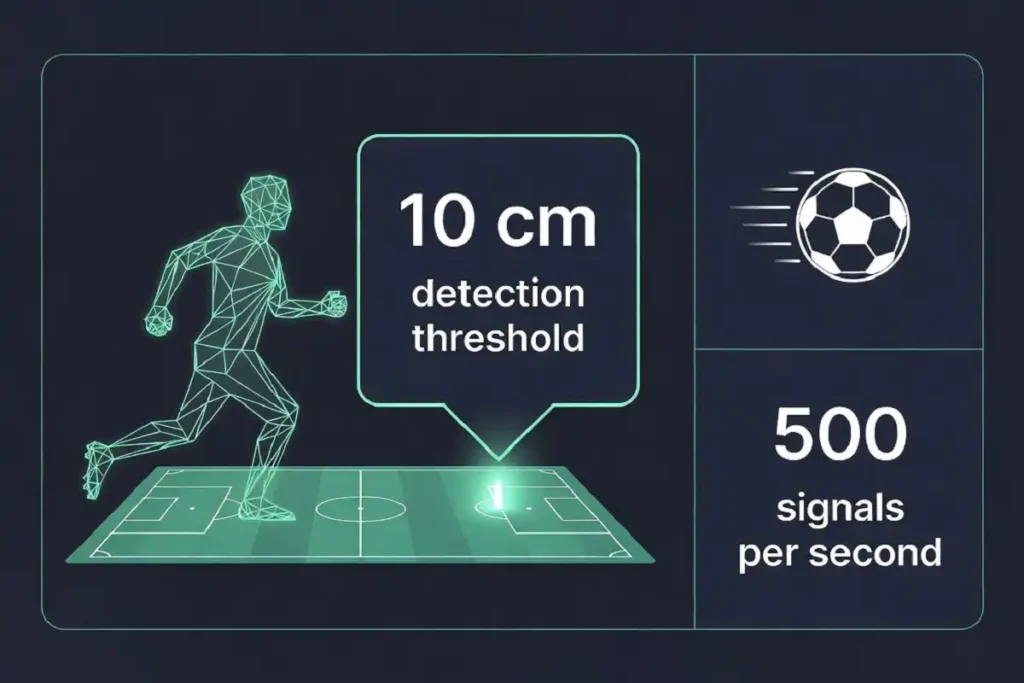
This is the most common reason VAR denies a goal. The 2026 system is faster and stricter than anything before it. FIFA scanned all 1,248 players across the 48 squads to build 3D avatars for offside calculations, and the alert threshold tightened from 50 centimeters down to 10 centimeters.
Margins are brutal as a result. Iran’s Mehdi Taremi had a goal ruled out on June 21 because his backside was marginally over the line when a free kick was played. Correct call. Painful call.
A Foul in the Build-Up
If an attacker fouls an opponent before the ball crosses the line, the goal goes. The Germany decision sits here. Replays showed Waldemar Anton push goalkeeper Orlando Gill to the ground, though the minimal contact drew heavy criticism. Goalkeeper screening is a point of emphasis this year. FIFA referees chief Pierluigi Collina said officials will intervene when an attacker deliberately moves to obstruct a goalkeeper’s ability to defend the goal, and confirmed coaches were warned in advance.
Handball by the Scoring Team
Any handball by the scorer, even accidental, cancels the goal. A handball by a teammate cancels it only when it directly creates the chance.
Ball Out of Play
If the ball fully crossed the touchline or goal line earlier in the attacking move, the goal cannot stand. Cameras and the adidas Trionda match ball, which samples its motion 500 times per second and streams that data to the video room, settle these calls quickly.
Why Doesn’t VAR Fix Every Bad Call?
Because the protocol only corrects clear and obvious errors. It does not re-referee the match. A 50-50 foul is, by definition, not clear and obvious, so a contested penalty appeal usually stands. That gap between what fans want and what the rules permit fuels most of the anger.
The threshold cuts both ways. Ghana got no penalty review after Ezri Konsa caught Prince Kwabena Adu on the knee, while Brazil saw a Vinícius Júnior goal disallowed for a soft foul in the build-up, and the Brazilian federation wrote to FIFA demanding consistent application. Same rulebook, opposite outcomes.
Was Germany’s Disallowed Goal Correct?
Probably not, based on the analysis I trust most. ESPN’s VAR review concluded the Anton challenge was not a foul block and the goal should have stood. Alan Shearer called the foul very, very soft on the BBC broadcast.
The consequences were enormous. Neither side scored again, Paraguay won the first penalty shootout of World Cup 2026, and Germany’s wait for a World Cup round of 16 now stretches into a 16th year. One VAR denies goal ruling ended a four-time champion’s tournament. If you are following the knockout bracket from here, our live tracker covering every 2026 result updates through the final.
How Often Does VAR Deny a Goal?
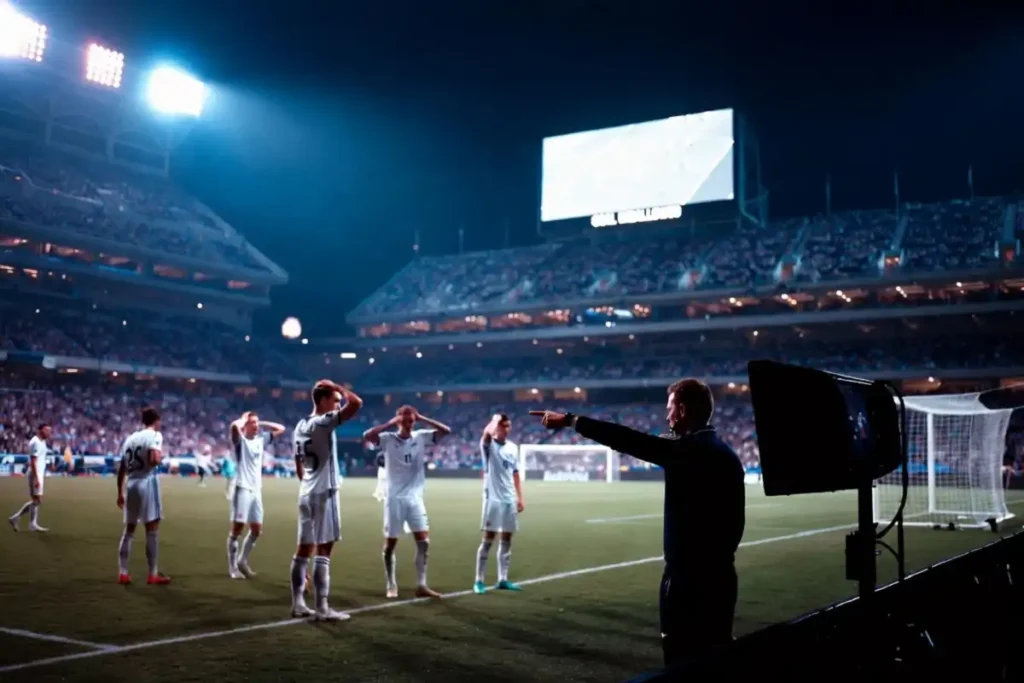
Disallowed goals cluster around offside, and reviews are faster in 2026 than in any prior tournament. SAOT now sends real-time audio alerts directly to the assistant referees’ earpieces, so flags go up immediately on clear violations instead of after long delayed-flag sequences. Fewer dead passages of play. Fewer three-minute waits.
Fans also see more of the reasoning. After an offside decision is confirmed, the system generates a 3D reconstruction showing player positions and the moment of contact, broadcast in the stadium and on TV.
That matters for how you watch. Big storylines this summer, from Portugal playing the tournament without Ronaldo to the USMNT’s knockout run, keep turning on single review decisions. If you want to catch the remaining rounds live, here is every legal way to watch World Cup 2026 free.
Can a VAR Denies Goal Decision Be Reversed?
No, not after play restarts. Once the referee restarts the match, the decision is final under the IFAB Laws of the Game 2025/26. Federations can protest, as Brazil did, but FIFA does not replay matches or reinstate goals. The only remedy is forward-looking: clarified guidance for future matches, which is exactly what Collina issued after the Germany call.
What to Watch Next
Expect more VAR denies goal flashpoints as the knockout rounds tighten. Watch two things. First, whether referees keep punishing goalkeeper screening as aggressively as they did against Germany. Second, whether FIFA responds to Brazil’s consistency complaint before the final. The technology is the best it has ever been. The judgment calls, as of July 3, 2026, remain human. That is where the next controversy comes from.