Hybrid Work Model 2026: Where Flexible Schedules Stand Now
The hybrid work model 2026 has stopped being an experiment. It is now the default setup at most large US employers, even as some CEOs push hard for more office days. Here is where things actually stand this year.
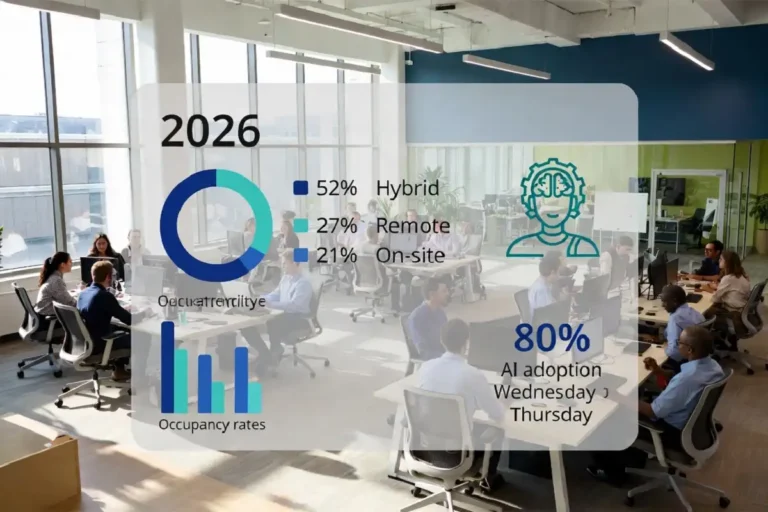
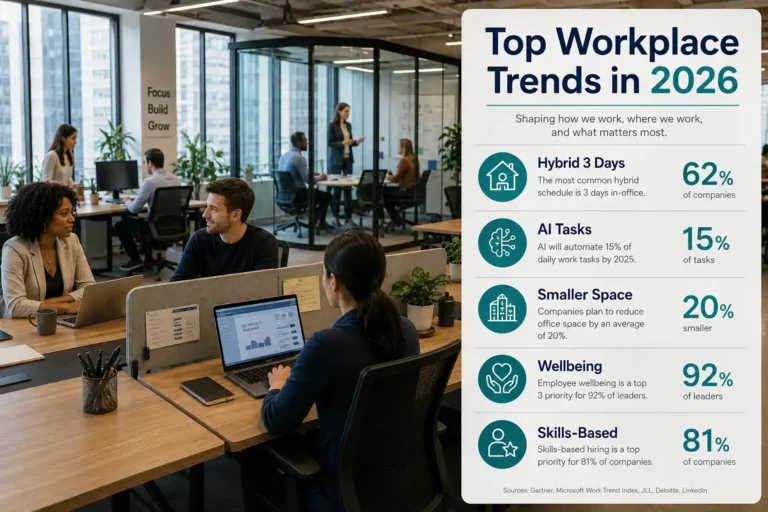
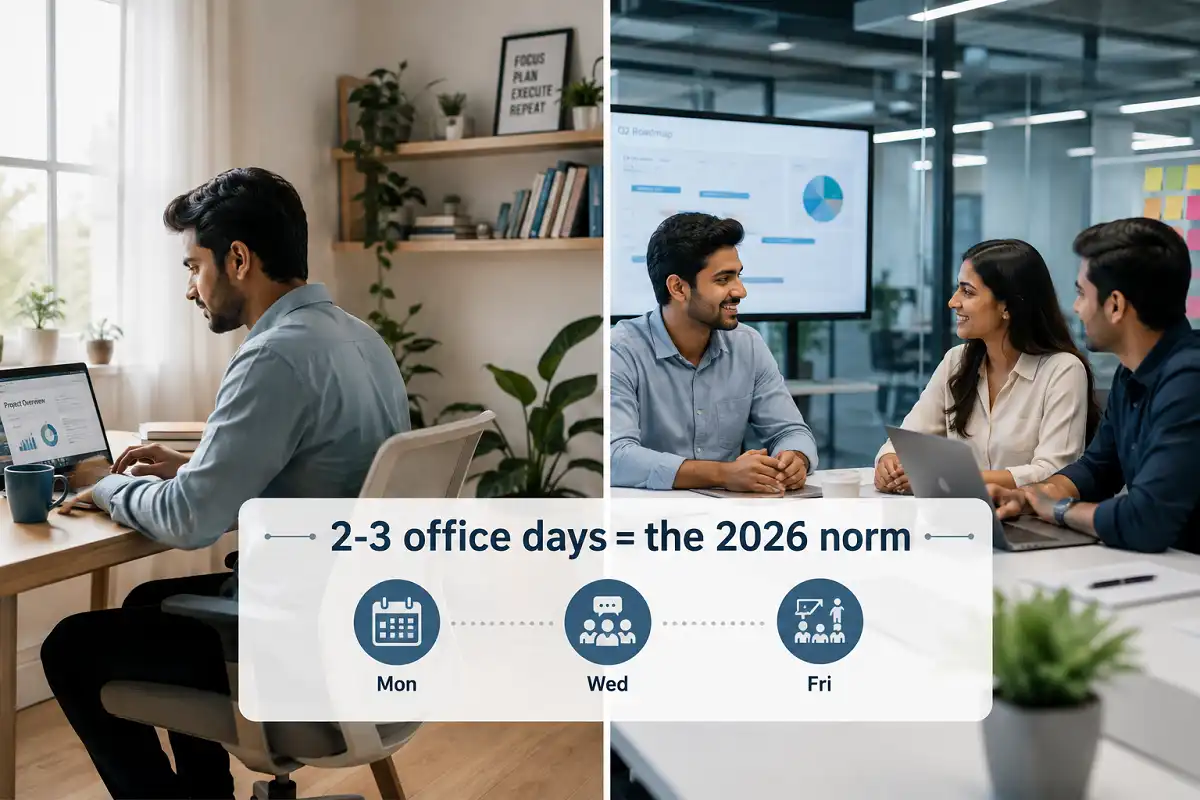
The hybrid work model 2026 dominates knowledge work, with most office-based firms running two to three in-office days a week. Full return-to-office mandates grab headlines, but the data shows hybrid remains the majority arrangement across white-collar sectors.
What Is the Hybrid Work Model 2026?
The hybrid work model 2026 splits an employee’s week between the office and a remote location, usually home. Most companies anchor it around a set number of in-office days rather than leaving it fully open.
Three main structures show up across the workforce reports I track. The first is fixed-schedule hybrid, where the employer names specific days, often Tuesday through Thursday. The second is flexible hybrid, where teams pick their own in-office days around a minimum. The third is office-first hybrid, where remote days are the exception and need approval.
The shift since 2020 is clear. What started as emergency remote work settled into a structured middle ground. The concept traces back further than most people assume. Forms of remote and distributed work existed for decades before the pandemic forced mass adoption. By this year, most firms treat physical presence as a tool for specific work, not a daily requirement.
The core idea is simple. Employees do focused solo work at home. They come in for collaboration, meetings, and mentoring. The week gets built around what each type of work needs.
How Common Is Hybrid Work This Year?
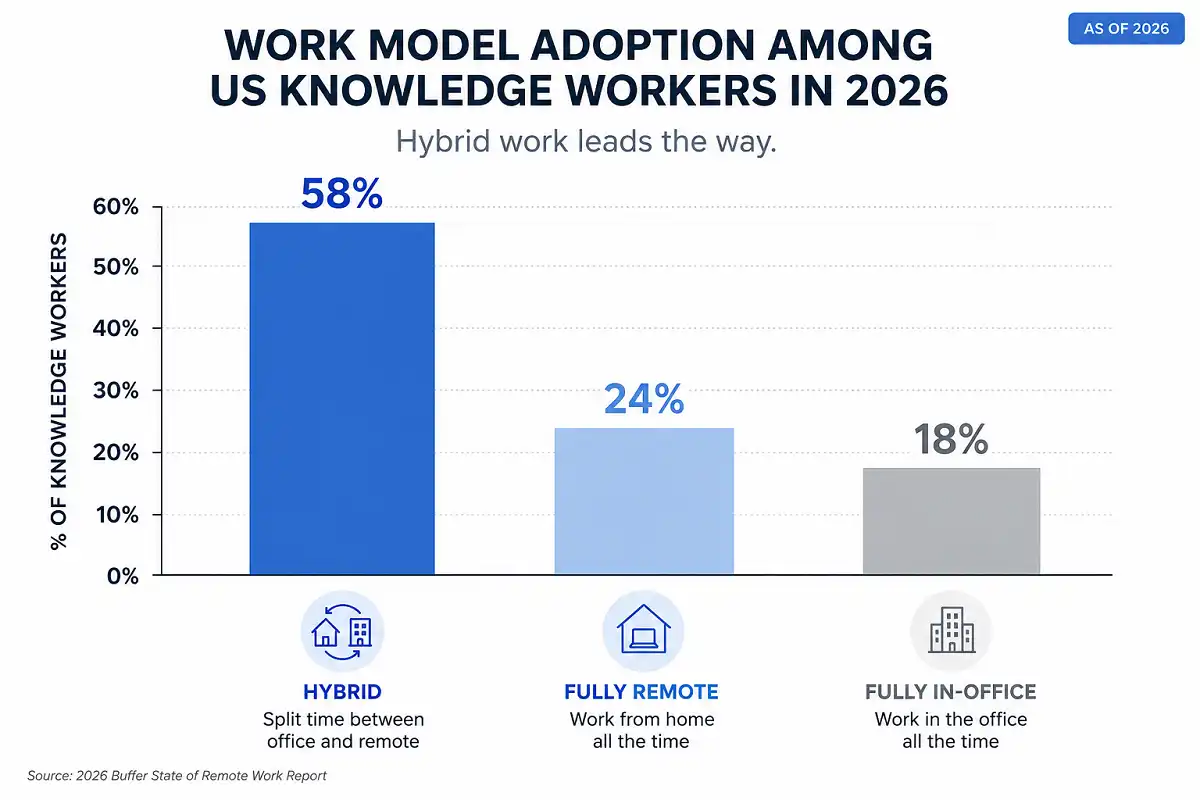
Hybrid is the most common arrangement for US knowledge workers in 2026. Estimates from workforce trackers put a large share of office-capable roles on some blended schedule, well above fully remote or fully in-office setups. (As-of figure to verify: specific hybrid adoption percentage for US knowledge workers, early 2026.)
Gallup’s ongoing workplace research has tracked this steadily. Its data shows remote-capable employees favoring blended schedules over both extremes. (Verify latest Gallup hybrid/remote split figure and publication date before publishing.)
The pattern holds across sectors, though the mix differs. Technology, finance, and professional services lean heaviest into structured hybrid. Healthcare administration, government, and education support functions have adopted it more slowly. Roles tied to physical sites, like manufacturing and logistics, sit largely outside the trend.
Company size matters too. Large enterprises formalized hybrid policies early. Smaller firms often run looser, less documented versions of the same idea. This mismatch is part of why national averages hide a lot of variation. What the shift in office workplace trends looks like day to day depends heavily on your employer and your role.
Why the Hybrid Work Model 2026 Held Its Ground
The hybrid work model 2026 stuck because it solved real problems for both sides. Employers kept access to wider talent pools. Workers kept time and money they used to lose to commuting.
Retention is a major driver. Companies I’ve covered found that pulling flexibility back triggered resignations, especially among senior and specialized staff. Flexibility now functions as a core part of compensation, not a perk. That changes the math for any leader considering a hard mandate.
Cost is another factor. Many firms reduced their office footprint during the shift to remote work. Bringing everyone back five days would mean paying for space they already shed. Hybrid lets them right-size real estate instead.
Productivity concerns cut both ways, which is part of why the middle ground won. Some leaders argue in-person time drives collaboration and training. Others point to focused solo work getting done better at home. Hybrid tries to capture both by matching the location to the task.
Talent competition seals it. In sectors where skilled workers are scarce, flexibility is a hiring advantage. A firm demanding five office days competes for a smaller pool than one offering hybrid.
The Return-to-Office Push Against Hybrid
Return-to-office mandates are the biggest force pressing against the hybrid work model 2026. Several large employers have moved to require four or even five in-office days, and the announcements get heavy coverage.
Amazon set the tone with its full five-day office return, which took effect in early 2025 and drew wide attention. (Verify current status and any 2026 updates to Amazon’s RTO policy.) Other large firms across banking and tech have tightened their own requirements since. (Verify specific 2026 RTO mandate announcements and named companies before publishing.)
The stated reasons repeat across companies. Leaders cite culture, faster decision-making, and training of junior staff. JPMorgan’s Jamie Dimon has been among the most vocal executives arguing that in-person work drives better outcomes, a position he has held publicly for years. The tension between that view and evolving expectations around AI-era management is something I’ve tracked in my coverage of how executives are rethinking leadership this year.
Still, the headline mandates hide a split. Many companies announcing tighter rules apply them unevenly, exempting hard-to-replace roles or specific teams. The gap between the policy on paper and the practice on the ground stays wide.
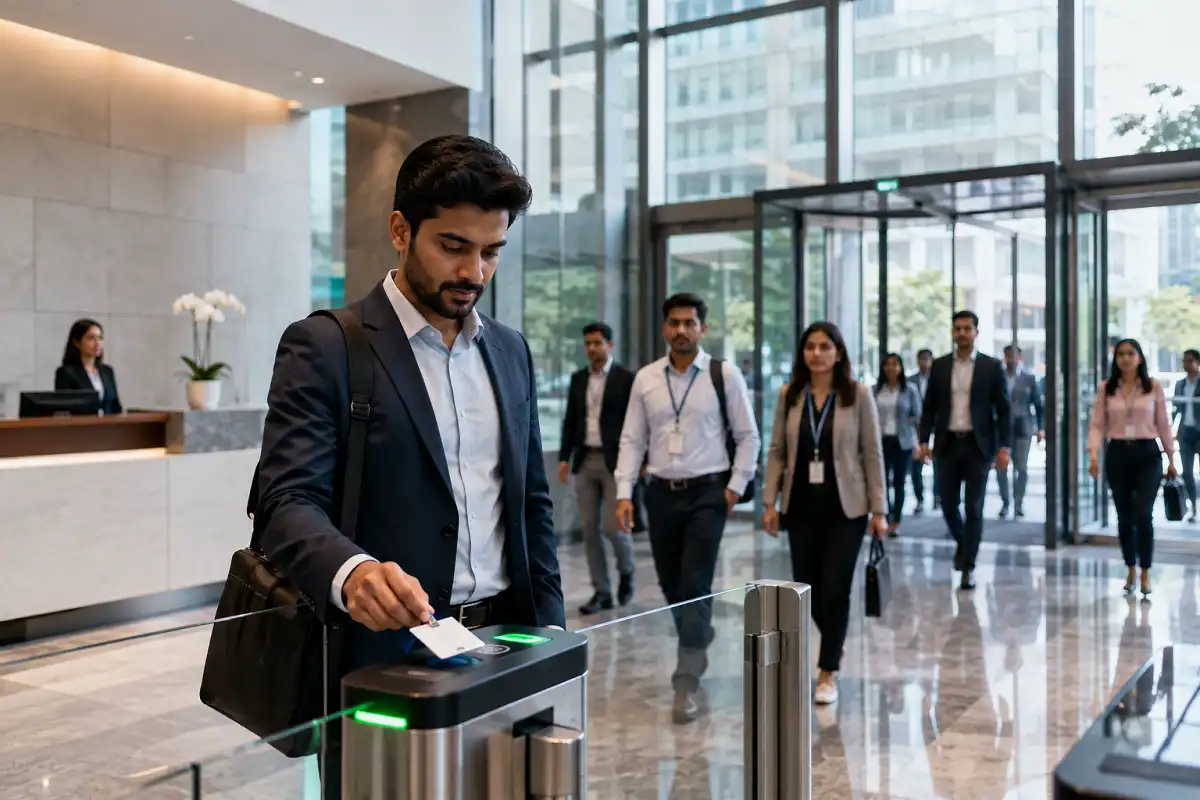
Enforcement is inconsistent too. Some firms track badge swipes and tie them to reviews. Others announce a policy and never police it. That gap tells you how serious a given mandate really is.
Hybrid Work Benefits That Keep Driving Adoption
The hybrid work model 2026 delivers measurable gains that explain its staying power. These are the benefits showing up consistently across workforce data and employer reporting.
For workers, the clearest wins are time and money. Cutting commute days back saves hours each week and real cash on fuel, transit, and daily expenses. That recovered time often goes to rest, family, or focused work.
Flexibility also supports a wider range of people. Parents, caregivers, and workers managing health conditions gain room to stay in demanding roles. This widens the talent pool employers can reach and keep.
For employers, retention and hiring reach top the list. Access to talent outside a single commuting zone lets companies fill specialized roles faster. Lower turnover cuts the heavy cost of replacing experienced staff.
Real estate savings round out the case. Smaller, better-used offices lower fixed costs. Many firms redirect that money toward technology, pay, or growth.
Well-being gains matter as well within the hybrid work model 2026. Reduced commuting stress and more schedule control support mental health. Rested workers tend to produce steadier results over time.
The Real Challenges of Hybrid Work in 2026
The hybrid work model 2026 brings problems that companies are still working to solve. Ignoring them undercuts the benefits.
Proximity bias is one of the sharpest. Workers in the office more often get noticed more, which can skew promotions and raises toward them. This puts remote-leaning staff, who are often women and caregivers, at a disadvantage. Fixing it takes deliberate, structured review.
Collaboration gaps show up next. Spontaneous problem-solving is harder when a team is split across locations and time. Companies address this by concentrating in-office days for meetings and shared work, then protecting remote days for focus.
Culture and onboarding strain under hybrid too. New hires learn norms slower without steady in-person contact. Strong documentation and intentional mentoring help close that gap.
Security is a growing concern as work spreads across home networks and personal devices. Distributed setups widen the attack surface for threats. This connects directly to the rising importance of supply chain and endpoint security that IT teams are prioritizing this year.
Communication overload is a quieter problem inside the hybrid work model 2026. Blended teams lean on chat, email, and video, and the volume adds up. Clear norms about when to use which channel keep it manageable.
How Companies Are Making the Hybrid Work Model 2026 Succeed
The hybrid work model 2026 works best when companies design it on purpose instead of letting it drift. The firms getting real results share a set of concrete practices.
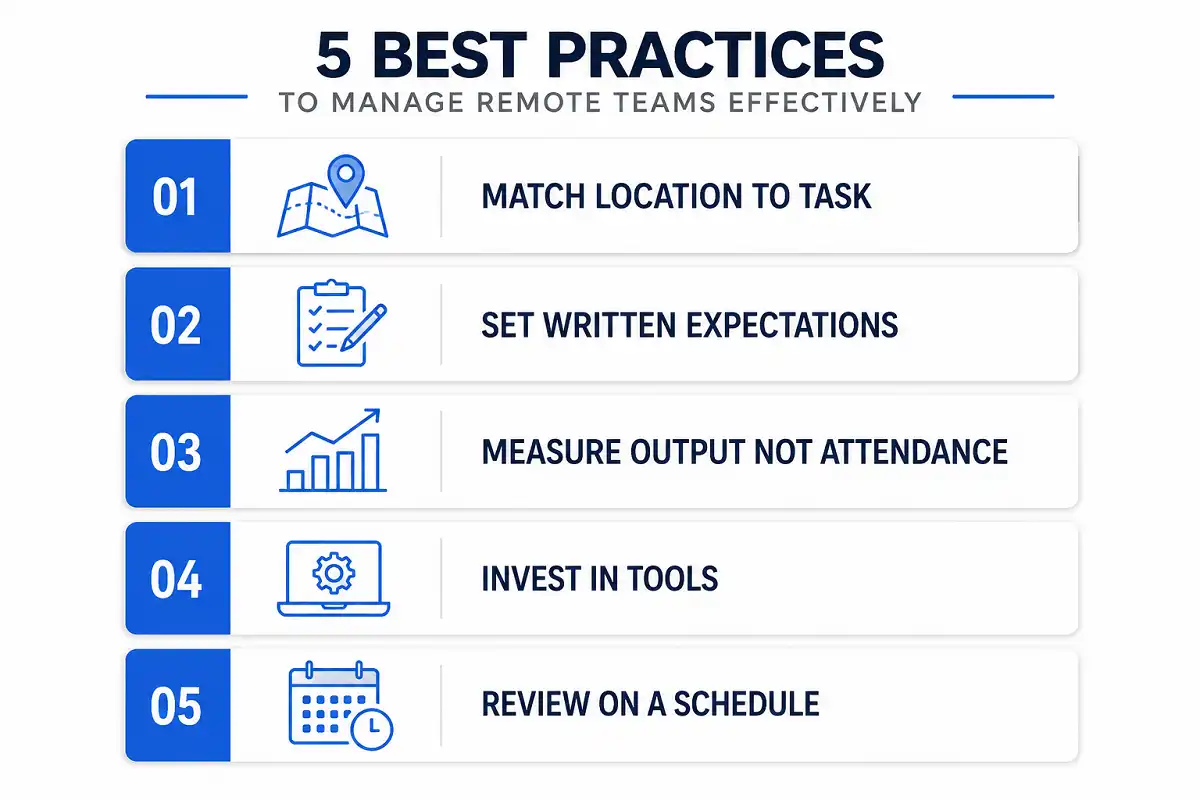
Start by matching location to task. Reserve in-office days for collaboration, planning, and mentoring. Protect remote days for deep, focused work. This is the core logic that makes hybrid outperform either extreme.
Set clear, written expectations next. Name which days are in-office, what counts as an exception, and how teams coordinate. Ambiguity is where hybrid arrangements break down.
Measure output, not attendance. Judge performance on results and contribution rather than hours seen at a desk. This directly counters proximity bias and keeps remote staff on fair footing.
Invest in the tools that make distributed work function. Reliable video, shared documents, and clear async communication carry the load when a team is split. The rise of AI tools in daily workflows is reshaping how distributed teams coordinate, a shift visible across recent workplace productivity data this year.
Review the policy on a schedule. Treat hybrid as a living system. Gather feedback, watch retention and output, and adjust. The companies succeeding treat their setup as something to refine, not set once and forget.
Train managers for it directly. Leading a split team is a distinct skill. Managers need help running fair reviews, keeping remote staff included, and judging work by results.
Hybrid vs Fully Remote vs In-Office in 2026
The hybrid work model 2026 wins because it lands between two harder extremes. Understanding the trade-offs shows why the middle ground holds.
Fully remote work offers the widest talent reach and the deepest cost savings on real estate. It also carries the steepest culture and onboarding challenges. Teams that never meet in person work harder to build trust and train new people. Some firms run it well, but it demands strong systems and discipline.
Fully in-office work delivers the easiest collaboration and the simplest management. Everyone is present, so mentoring and spontaneous problem-solving come naturally. The cost is flexibility. It shrinks the hiring pool and pushes out workers who need schedule control. In a tight labor market, that is a real disadvantage.
Hybrid takes the strongest parts of each. It keeps in-person collaboration for the work that needs it. It keeps remote flexibility for focus and for reaching wider talent. The trade-off is complexity. Running a split team well takes more design and more discipline than either extreme. That is the price of getting both sets of benefits, and most large employers have decided it is worth paying.
FAQs

How many days a week is typical for hybrid work in 2026?
Is hybrid work going away because of return-to-office mandates?
Which industries use the hybrid work model 2026 most?
Does hybrid work hurt career growth?
What the Hybrid Work Model 2026 Means for Careers
The hybrid work model 2026 changes how professionals manage their own growth. Visibility no longer happens automatically, so it has to be built.
Make in-office days count. Use them for the face time that builds relationships and gets your work seen. Schedule key conversations and collaboration for the days you are present.
Communicate clearly and often on remote days. Keep your progress visible through updates and shared work. Silence reads as absence, even when you are producing.
Build skills that travel across settings. Strong written communication, self-direction, and comfort with digital tools matter more in a blended environment. These are the same capabilities that support broader career growth in a shifting job market as work keeps moving toward flexible, skills-based roles.
Manage your own boundaries too. Remote days blur the line between work and home. Set start and stop times so flexibility does not turn into constant availability.
Where This Leaves Us
The hybrid work model 2026 is the settled majority for US knowledge work, not a passing phase. Return-to-office mandates will keep making news, and some firms will keep tightening. But the underlying pull of flexibility, retention, and cost control keeps the blended model in place. The numbers to watch next are enterprise RTO announcements and turnover data tied to them. If forced returns start driving measurable losses of key staff, expect the hybrid consensus to hold even firmer through the rest of the year.