
The Late Show With Stephen Colbert Is Ending: What You Need to Know Before the May 21 Finale
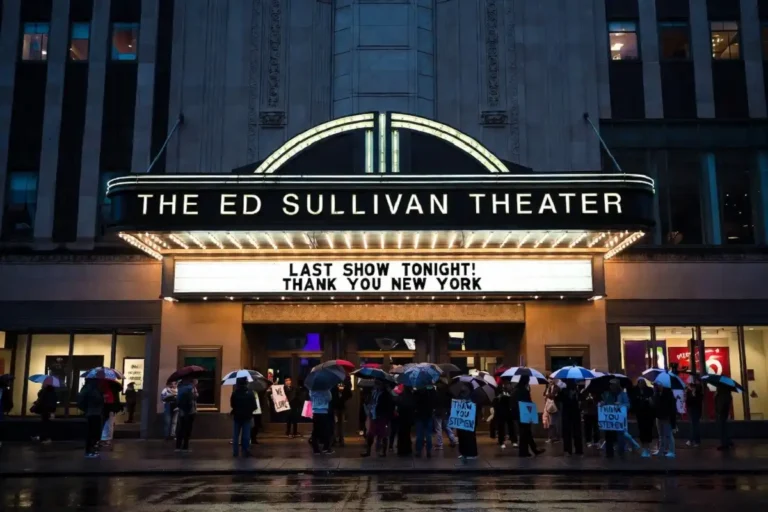
Stephen Colbert is saying his final goodbye on late-night television this week. After 11 years behind the desk at CBS, The Late Show with Stephen Colbert airs its last episode on Wednesday, May 21, 2026. And if you’ve been following the story, you know this ending has been anything but quiet.
If you enjoy reading about the careers and lives of entertainers, our profile on Alia Rose’s music and entertainment background offers a closer look at how independent artists build their careers outside the mainstream spotlight. Speaking of the mainstream, few late-night stories this year have sparked as much conversation as Colbert’s exit.
Why Is the Show Ending?
CBS announced the cancellation last July, calling it “purely a financial decision against a challenging backdrop in late night.” The network said Colbert was irreplaceable and that the end of the show had nothing to do with its performance or content.
But a lot of people aren’t buying that explanation.
Many fans are disappointed and even angry about the cancellation, doubting CBS’s stated rationale and believing that appeasement politics toward President Trump played a role. Colbert has been a longtime critic of Donald Trump, and the announcement came shortly after Paramount, CBS’s parent company, settled a $16 million lawsuit brought by the president over a “60 Minutes” interview.
The show held the top position in American late-night television for nine straight seasons as of 2025, marking the longest winning streak in franchise history over its competitors. Canceling the number-one-rated show in its timeslot, for financial reasons, understandably raised eyebrows.

What to Expect From the Final Week
CBS gave Colbert a proper send-off. The network extended the finale beyond its typical hour-long window to give the show room to close out on its own terms.
The final week has been packed. Tuesday’s episode featured Jon Stewart and Steven Spielberg as guests, along with a special performance by David Byrne and Colbert himself. Wednesday brought a Bruce Springsteen performance and a special edition of “The Colbert Questionert,” a beloved recurring segment on the show.
David Letterman, who hosted the Late Show for 22 years before Colbert, also stopped by during the farewell stretch. Letterman was candid about his feelings, saying “I have every right to be pissed off” about the cancellation.
The series finale airs tonight, Wednesday, May 21, at 11:35 p.m. ET on CBS.

What Colbert Has Said
Through all of this, Colbert has kept his tone measured. When he first heard the news, he broke it to his studio audience himself.
He told viewers, “I’ve had the pleasure and responsibility of sharing what we do every day with you in front of this camera for the last 10 years, and let me tell you, it is a fantastic job.”
In a more recent interview with The New York Times, he said he had genuinely liked working with CBS and wanted to end on good terms. His biggest concern throughout has been his staff, around 200 people, who will be out of work once the show wraps.
When asked about whether the cancellation had political motivations, Colbert said simply, “It’s possible that two things can be true.”
What Happens to the Late Show Slot?
After Colbert signs off, CBS will retire the Late Show franchise entirely. The timeslot will be handed back to affiliates, ending a 33-year run that began with David Letterman in 1993.
That is a significant moment for American television. For over three decades, “The Late Show” was a fixture of CBS’s late-night lineup. There is no replacement host, no new format. It’s simply going away.
What’s Next for Colbert?
Colbert, 62, has said little about his plans after the show. He has, however, been attached as a writer on a new “Lord of the Rings” movie, which aligns with his well-known love of Tolkien.
He said he plans to wait until the finale officially concludes before pursuing other script offers.
For a broader look at how the late-night TV landscape has shifted over the past few years, at CNN Business gives useful context on what this cancellation means for the industry.
Why This Matters Beyond One Show
The Late Show’s cancellation reflects something bigger happening in the TV industry. Networks are struggling to justify the cost of live late-night programming when streaming numbers continue to climb and traditional broadcast audiences shrink year over year.
The story also touches on the growing tension between media companies and political pressure. Paramount’s decision to settle the Trump lawsuit while pushing through its Skydance merger has drawn scrutiny from lawmakers and industry observers alike. If you’re curious about how corporate media decisions intersect with entertainment careers and public figures, our editorial approach to covering the entertainment industry explains how we handle these kinds of nuanced stories.
For additional context on the history and legacy of late-night TV, CBS News has published a detailed account of the show’s run and the circumstances surrounding its end.
A Final Note
Eleven years is a long run. Colbert took over from Letterman in 2015 and consistently held the top spot in late night. Whatever you believe about why the show was cancelled, its body of work speaks for itself.