Google and Blackstone Team Up With a $5 Billion AI Infrastructure Deal
I’ve been watching the AI infrastructure space closely for years, and this week brought one of the biggest deals I’ve seen. On May 19, 2026, Google and Blackstone announced a joint venture to build AI computing infrastructure at a scale that’s hard to ignore. If you run a business, work in tech, or just want to understand where the industry is headed, this story matters.
Here’s what happened and why I think it changes the game.
What the Deal Actually Is
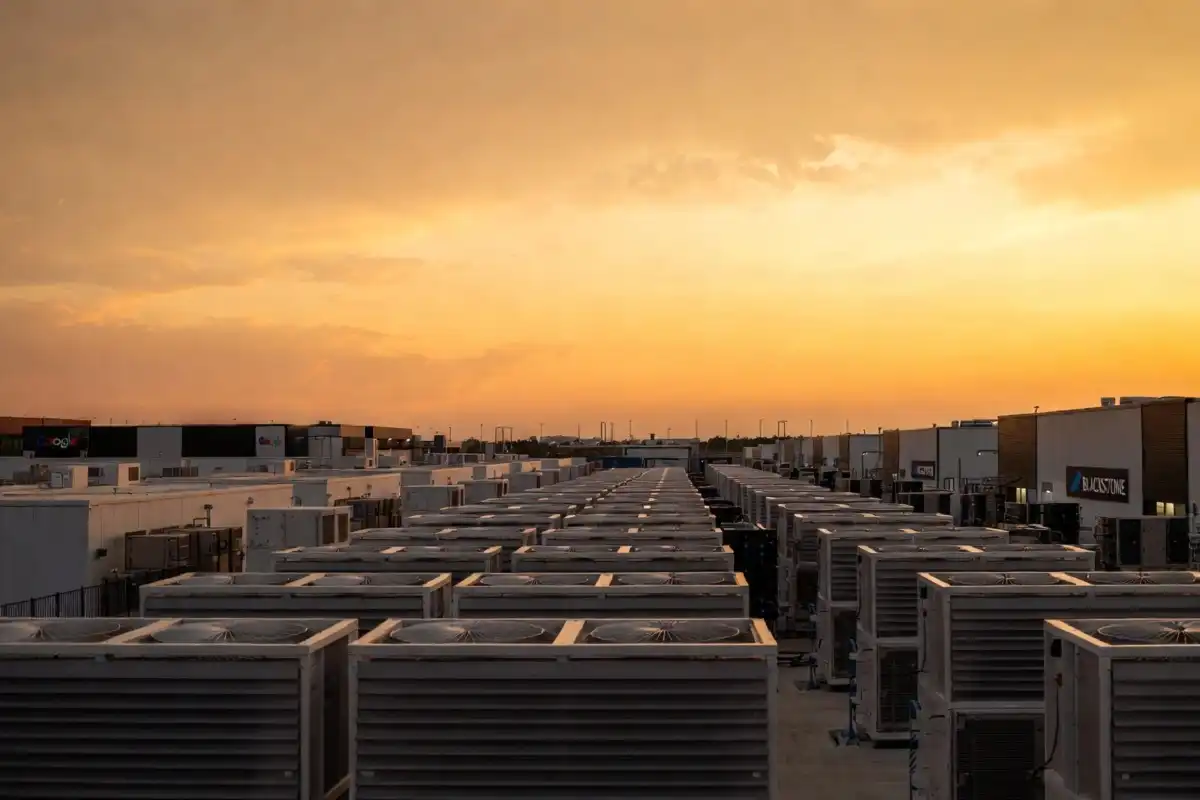
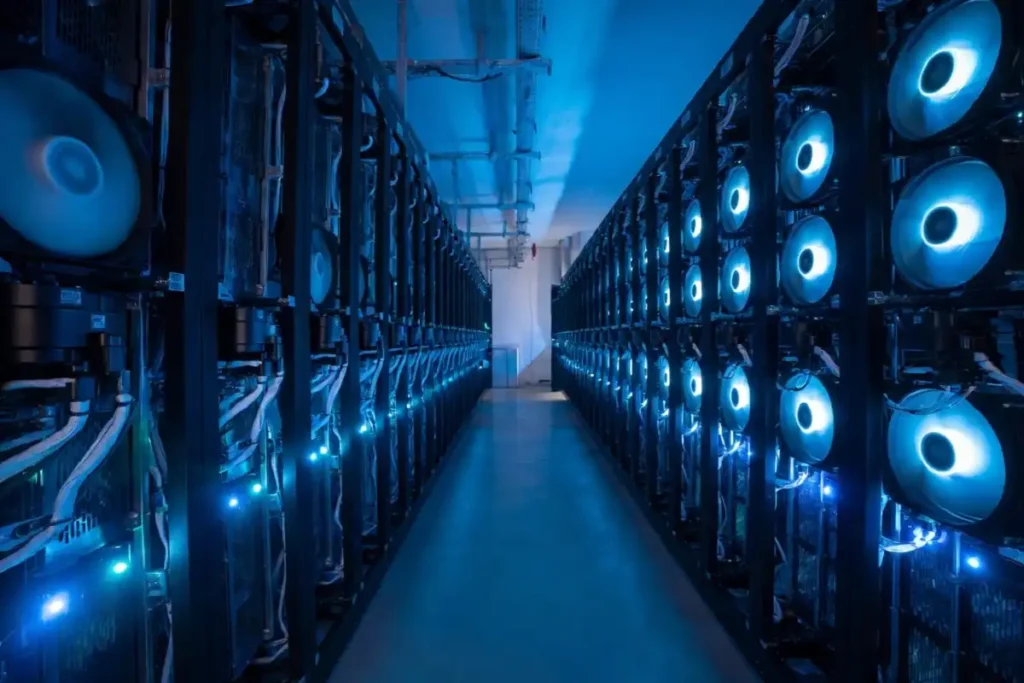
Google and Blackstone formed a joint venture to deliver AI compute as a service. Blackstone is putting in an initial $5 billion in equity. The plan is to bring 500 megawatts of data center capacity online by 2027. With debt added in, the total investment could reach $25 billion.
The new company will offer data center capacity, networking, operations, and access to Google Cloud’s Tensor Processing Units (TPUs). Benjamin Treynor Sloss, a longtime Google infrastructure leader, will run it.
In plain language, businesses will be able to rent AI computing power instead of building their own data centers. That’s a big deal for companies that need serious horsepower but can’t afford the upfront cost of building from scratch.
Why Big Tech Is Spending Like This
The numbers in this space have gotten huge. Big Tech firms are on track to spend more than $800 billion on AI infrastructure this year alone. Demand from generative AI tools and enterprise applications keeps growing, and the current supply can’t keep up.
I see three forces driving this:
First, training new AI models takes massive computing power. Each new model needs more chips, more electricity, and more cooling than the last.
Second, businesses are moving from testing AI to actually using it in daily operations. That shifts demand from experiments to steady, large-scale production.
Third, the older cloud model wasn’t built for this kind of workload. AI needs specialized chips like Google’s TPUs or Nvidia’s GPUs, not general-purpose servers.
What This Means for Smaller Businesses
Here’s where it gets interesting for people who don’t work at a Fortune 500 company. The compute-as-a-service model lowers the barrier to entry. A mid-sized business can now access enterprise-grade AI hardware on demand.

A few practical effects I expect: Faster product development. Teams won’t wait months for hardware to ship. Lower upfront costs. Renting beats buying when your needs change month to month. More competition. Smaller players can build AI products without raising hundreds of millions in capital first. That said, pricing will matter a lot. If the cost per hour stays high, only well-funded companies will benefit.
The Power Problem Nobody Talks About Enough
There’s a side of this story that doesn’t get enough attention. AI infrastructure needs huge amounts of electricity. A recent Gallup survey found that 71% of U.S. adults oppose having an AI data center in their local area, with 48% strongly opposed.
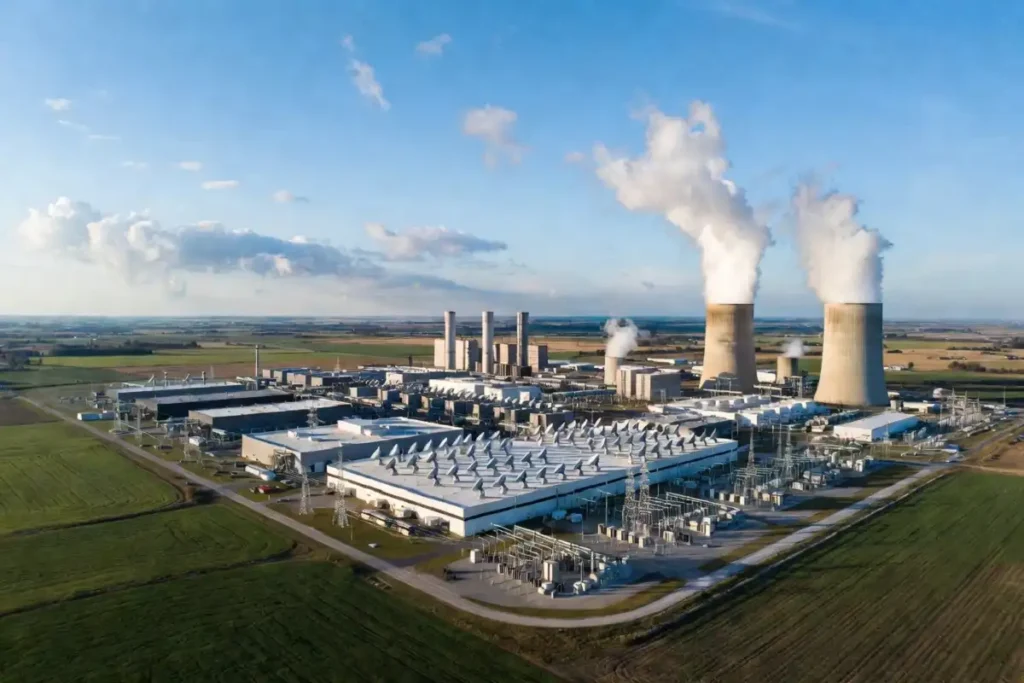
Communities worry about water use, noise, electricity prices, and land impact. Some local governments have already pushed back on permits.
Google and Blackstone will need to handle this carefully. Building 500 megawatts of new capacity by 2027 means siting, permits, grid connections, and water deals. None of that moves fast.
How This Stacks Up Against Other Recent Moves
This deal didn’t happen in a vacuum. Just last week, news broke that Google is in advanced talks with SpaceX to launch data centers into orbit. Meta is cutting 8,000 jobs to free up cash for AI spending, raising its 2026 capital expenditure guidance by up to $10 billion to $145 billion.
Cerebras went public with a 68% first-day jump, hitting a $95 billion valuation. Wall Street is clearly pricing AI infrastructure like the next utility sector.
The pattern is clear. The AI race is no longer mainly about models or chatbots. It’s about who controls the chips, the data centers, the power, and the networks underneath everything.
My Take on What Comes Next
I think we’re entering a phase where AI infrastructure becomes a regulated utility in everything but name. Governments will get involved in siting decisions, electricity allocation, and pricing rules. That’s not a prediction so much as a logical next step given the scale.
For business owners reading this, my honest advice is simple. Don’t try to build your own AI stack from scratch unless you have a clear reason. Use the cloud services that are coming, watch the pricing closely, and focus your team on the parts of the product that customers actually see.
For investors, the infrastructure layer looks more durable than the application layer right now. Chips, power, cooling, and networking will be needed no matter which AI app wins.
For everyone else, expect AI tools to keep getting better and cheaper over the next two years. The Google-Blackstone deal is one of the reasons why.
Final Thoughts
The Google and Blackstone joint venture is more than a press release. It’s a signal that AI computing is being treated like critical infrastructure, with the kind of capital commitments usually reserved for power grids and railways.
I’ll keep tracking how this develops on tomarogroup.com. If you have questions about how AI infrastructure changes affect your business, send them over. I read every message.