
Don Schlitz Net Worth: The Legacy of a Country Music Legend
Don Schlitz was one of the most gifted and prolific songwriters in the history of country music. Born in Durham, North Carolina, he moved to Nashville and spent decades writing some of the most beloved songs in the genre, including “The Gambler,” “Forever and Ever, Amen,” and “When You Say Nothing at All.” His work earned him Grammy Awards, Country Music Hall of Fame induction, and a lasting place in American music culture. Don Schlitz passed away on April 16, 2026, at the age of 73. This article explores his career, his wealth, and the legacy he left behind.
Who Was Don Schlitz?
Donald Allen Schlitz Jr. was born on August 29, 1952, and passed away on April 16, 2026, in Nashville, Tennessee. He was an American songwriter who wrote more than twenty number-one hits on the country music charts.
He grew up in Durham, North Carolina, and made his way to Nashville with a dream of writing songs for a living. For years he worked quietly, holding down a computer operator job while pitching songs on the side. That persistence eventually paid off in a way few songwriters ever experience.
His catalog includes over fifty Top Ten country singles, twenty-four of which reached number one. He was not a flashy celebrity or a chart-topping performer himself. He was, in the truest sense, a craftsman who let the music do the talking.
Don Schlitz Net Worth: What We Know
Don Schlitz net worth is estimated to have been in the range of $10 million to $30 million at the time of his passing. Estimates across financial and entertainment publications vary, with figures ranging from $12 million on the conservative end to $30 million on others. No precise figure was ever confirmed publicly by Schlitz or his estate.
His wealth primarily came from music publishing royalties, songwriter performance royalties, and licensing income tied to recorded and broadcast uses of his compositions. His personal financial details were not publicly disclosed.
What is clear is that his earning model was one of the most durable in the music business. Songwriters who own or share publishing rights to timeless hits continue to earn royalties long after the songs are released. For a writer like Schlitz, whose songs have been played on the radio, in films, in television shows, and at live events for decades, those royalties represented a steady and substantial income stream throughout his life.
For context on how creative professionals in the entertainment space build lasting wealth, it is worth reading about John Legend’s net worth breakdown in 2026 to see how different music income streams combine over a long career.
Hit Songs That Built His Fortune

“The Gambler” and the Breakthrough
Schlitz’s first major hit as a songwriter was Kenny Rogers’s “The Gambler,” which became a crossover country hit upon its release in 1978, later becoming one of Rogers’s signature songs.
He wrote the song years before it was recorded, carrying it from pitch to pitch until Rogers finally cut it. The song went on to win a Grammy for Best Male Country Vocal Performance and launched one of the most successful country music franchises in television history. For a songwriter, a song of that magnitude generates royalties across multiple categories: mechanical royalties from album sales, performance royalties from radio and television airplay, sync licensing from film and TV use, and streaming income.
That one song alone likely provided Schlitz with meaningful income for decades.
A Catalog of Number-One Hits
“The Gambler” was just the beginning. Don Schlitz’s chart-topping songs include “The Gambler,” “On the Other Hand,” “Forever and Ever, Amen,” “He Thinks He’ll Keep Her,” “The Greatest,” and “When You Say Nothing at All.” His works have been recorded by Kenny Rogers, Randy Travis, The Judds, The Nitty Gritty Dirt Band, Tanya Tucker, Mary Chapin Carpenter, Keith Whitley, Alison Krauss, and many others.
Some of the most enduring titles from his catalog include:
- “Forever and Ever, Amen” (Randy Travis) co-written with Paul Overstreet
- “When You Say Nothing at All” (Keith Whitley and later Alison Krauss)
- “On the Other Hand” (Randy Travis)
- “He Thinks He’ll Keep Her” (Mary Chapin Carpenter)
- “The Greatest” (Kenny Rogers)
- “Forty Hour Week (For a Livin’)” (Alabama)
- “Strong Enough to Bend” (Tanya Tucker)
Each of these songs continues to generate royalties. A catalog of this size and quality represents a significant financial asset, not just during an artist’s career, but as part of their estate afterward.
How Songwriting Royalties Work
Understanding Don Schlitz net worth requires a basic understanding of how songwriting income works. Unlike artists who earn from album sales and touring, songwriters earn primarily through two channels.
The first is mechanical royalties, paid when a song is reproduced on a recording or streamed digitally. The second is performance royalties, collected by organizations like ASCAP every time a song is performed publicly, whether on the radio, at a live venue, or on a streaming platform.
Schlitz’s annual income from royalties alone is estimated to have ranged from $1 million to $2 million in recent years, with additional earnings from producing, performing, and songwriting-related activities.
For a writer with more than 24 number-one country songs and 50-plus Top Ten hits, those royalties add up significantly over time. The songs that have become cultural touchstones, played at weddings, referenced in films, and covered by artists across genres, continue to earn long after they first charted.
Awards and Hall of Fame Honors
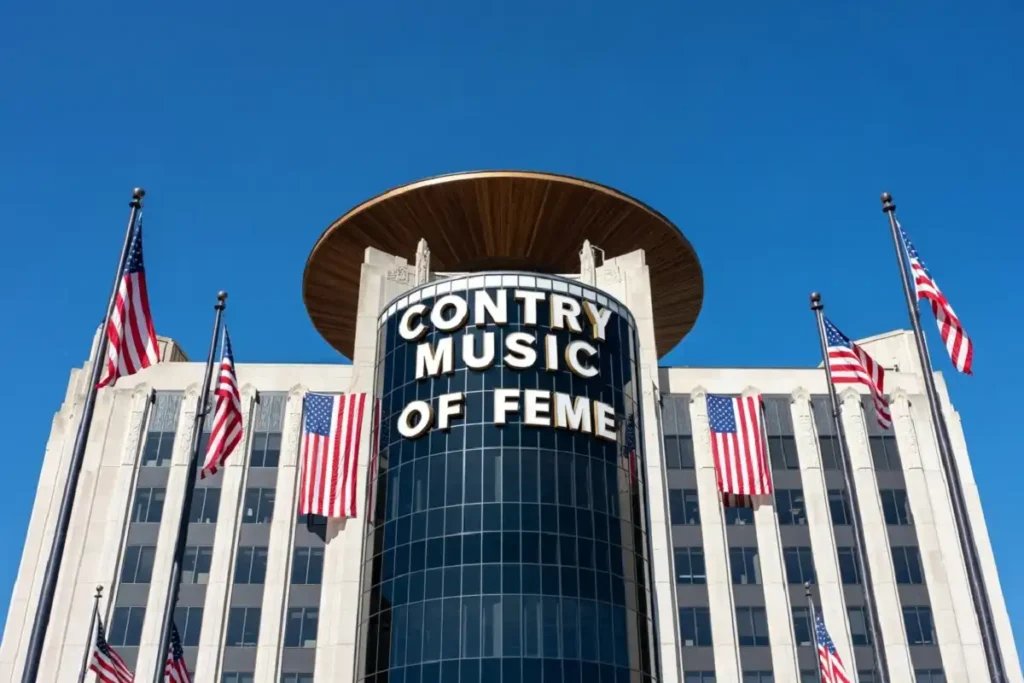
Don Schlitz was one of the most decorated songwriters in country music history. His list of honors reflects the respect he earned from every corner of the industry.
He won three CMA Song of the Year awards, two Academy of Country Music Song of the Year prizes, two Grammy Awards, and four consecutive ASCAP Country Songwriter of the Year trophies from 1988 to 1991.
He was inducted into four different halls of fame during his lifetime:
- Nashville Songwriters Hall of Fame (1993)
- Songwriters Hall of Fame (2012)
- Country Music Hall of Fame (2017)
- North Carolina Music Hall of Fame
On August 30, 2022, he was inducted as a member of the Grand Ole Opry.
These honors did more than recognize his talent. Hall of Fame membership and ongoing recognition fuel demand for a songwriter’s catalog. Songs get re-licensed, reissued, and rediscovered with each new wave of attention.
Life Beyond Songwriting: Performances, Production, and Broadway
Don Schlitz was far more than a behind-the-scenes writer. He was an active and beloved performer, particularly in Nashville’s famous songwriter circles.
He helped pioneer the “songwriters in the round” performance format, regularly appearing in gatherings at Nashville’s Bluebird Café with other writers. He remained active as a performer, frequently playing his songs there and at other venues.
He also co-produced Kenny Rogers’s album “The Heart of the Matter” and served as a mentor to aspiring songwriters through workshops and seminars.
He composed the music and lyrics for the Broadway musical “The Adventures of Tom Sawyer” in 2001, demonstrating a range that went well beyond country radio.
Each of these roles carried its own financial return, from production fees to publishing advances to performance income. Schlitz built wealth through multiple channels simultaneously, which is the hallmark of a smart long-term career strategy in any creative field.
This kind of multi-stream income approach mirrors how other entertainers have grown their financial footprint. You can explore a similar pattern by reading about Lil Durk’s net worth in 2026 and how artists combine performance, production, and catalog ownership for long-term financial security.
Don Schlitz’s Legacy and What It Means Financially
Don Schlitz passed away on April 16, 2026, following a sudden illness in Nashville. He was 73 years old.
The Country Music Hall of Fame noted that Schlitz wrote vital and relevant songs for forty years, across five decades. That kind of sustained relevance is both a creative achievement and a financial one. Songs that stay relevant keep earning.
His estate now holds the rights and interests in one of the most valuable songwriting catalogs in country music history. Publishing catalogs have become major financial assets in the modern music economy, with investors and labels paying hundreds of millions of dollars to acquire the rights to legacy catalogs from artists and their estates.
Whether or not Schlitz’s catalog is ever sold or acquired, its ongoing value is substantial. Songs like “The Gambler” are genuinely timeless. They will continue to be played, covered, licensed, and streamed for generations.
For a look at how another performer’s career earnings translated into lasting estate value, the John Walsh net worth profile for 2026 offers a useful comparison from a different corner of American entertainment.
The Quiet Side of a Very Wealthy Career
One thing that stands out about Don Schlitz is how private he remained despite his enormous success. He was not a celebrity in the tabloid sense. He did not court attention or headline gossip columns. He sat backstage, in writing rooms, and at small café stages, doing what he loved.
That kind of career, built on craft and consistency rather than spectacle, tends to produce durable wealth precisely because it never relies on hype or short-term trends. The songs outlast the moments that produced them.
For those interested in how other creators in niche but passionate industries build lasting wealth from the ground up, it is worth reading the profile of Will Primo’s net worth as an outdoor industry founder as another example of how deep expertise and a loyal audience translate into financial security.

FAQ

What was Don Schlitz's net worth?
What was Don Schlitz's most famous song?
How many number-one hits did Don Schlitz write?
What awards did Don Schlitz win?
When did Don Schlitz pass away?
Did Don Schlitz perform his own music?
Conclusion
Don Schlitz net worth, estimated between $10 million and $30 million, reflects a career built on patience, craft, and an extraordinary ability to write songs that connect with ordinary people. He wrote “The Gambler,” co-wrote “Forever and Ever, Amen,” and gave country music some of its most enduring moments. His legacy is not just financial; it is cultural, woven into the fabric of American music.